Hey folks, let’s cut to the chase—if you’re shopping around for flame retardant rubber mats, you’ve probably had this exact question bounce around your head: Yeah, they stop fires from spreading, but are they actually grippy enough to not turn your workshop, gym, or garage into a slip-and-slide disaster? As a guy who’s been selling these mats for over a decade (and still rolls up his sleeves to test them on site sometimes), I get why this matters. No one wants to invest in safety gear only to trade one hazard for another. Let’s break this down like we’re chatting over a coffee, no stuffy jargon, promise. Flame Retardant Rubber Mat

First, let’s get one myth out of the way right now: Flame retardant doesn’t mean “slippery as an ice rink.” I see so many buyers write that off because they think the fire-resistant chemicals coat the surface or mess with the rubber’s texture, but that’s totally not how we make these products. Wait, let’s be clear—there are bad mats out there, sure. The cheap ones that cut corners on both fire resistance and grip? Yeah, those slip. But a quality flame retardant rubber mat is engineered to do two jobs at once: stop ignition and keep your feet (or equipment, for that matter) planted.
Here’s the science part, and I’ll dumb it down as much as I can without lying. Traditional rubber mats—your basic garage mat, gym floor, whatever—get their non-slip power from two things: the compound itself and the surface texture. For flame retardant mats, we don’t mess with that core structure. The flame retardancy comes from adding specific additives (think phosphorus-based compounds, or sometimes halogen-free stuff for people with chemical sensitivities) that mix into the rubber polymer during manufacturing, not just painted on top. Painted-on flame retardants would chip off, kill grip, and even wear out fast—those are the cheap ones you want to avoid. When the additives are integrated, the rubber still keeps its natural traction: it’s flexible, not brittle, so it conforms to slight floor imperfections and creates friction against shoes, boots, or even heavy machinery feet.
Then there’s the surface pattern. Anyone who’s bought a non-slip mat knows texture is everything. Our flame retardant mats have the same anti-slip patterns as regular heavy-duty rubber mats: raised studs, diamond grooves, or a non-slip tread finish that channels water, oil, or dust away from the contact point. We tested this last month with a local auto shop—they were dealing with oil spills on their workshop floor and had regular mats that slid around when mechanics jacked up cars. We put down our flame retardant mats, and after a week of heavy use (oil spills, tool boxes being dragged, people in steel-toe boots running across them), the owner said they hadn’t had a single slip. That’s the real test, not some lab number.
Wait, but what about specific use cases? Because grip needs change depending where you’re putting the mat. If you’re a gym owner, you’re dealing with sweat and moisture—our flame retardant gym mats have a matte, textured top that stops treadmill feet and workout shoes from sliding, even when they’re dripping. For industrial workshops where oil and grease are constant, we add a bit more deep tread to channel liquids, so they don’t pool on the surface. Even in labs where there might be chemical spills, the grip stays because the flame retardant compound is resistant to most common lab chemicals, so the rubber doesn’t break down and get slippery over time.
Let’s talk about the exceptions, because there are always outliers. If you’re using a flame retardant mat on a super smooth, polished concrete floor that’s been sealed with wax? Any mat, even a good one, might shift a little if the floor isn’t textured. But that’s not the mat’s fault—you should add a bit of non-slip underlayment or make sure the floor is clean before laying it. Another thing: if you leave a layer of dust or debris on the mat for weeks without cleaning it, even the best grip will go down. But that’s basic maintenance, not a flaw in the mat itself. I always tell customers: treat it like any other non-slip mat—wipe it down regularly, clean up spills fast, and it’ll perform exactly like you need it to.
Now, let’s address a common misconception that comes from budget shopping. A lot of people see a “flame retardant mat” for half the price of ours and assume it’s a steal. But most of those cheap ones skip the flame retardant additives entirely, or use a flimsy rubber blend that starts degrading after a few months, and the surface is thin, so it loses grip fast. I’ve had guys come back to me last year saying they bought a “fire-resistant mat” for their welding shop, and it slid so much they had to replace it in six months. They thought they were saving money, but ended up paying twice as much in the long run. That’s why I always push for quality over price when it comes to both fire safety and slip resistance—cut corners on one, you risk the other.
Here’s a quick test you can do right now if you have a sample mat (we send free samples, by the way, no strings attached): take a clean shoe, press the sole into the mat, and try to slide it. If it moves easily, that’s a bad one. If it takes a little effort, and you feel that friction? That’s the kind you want. We do this test with every batch we make, because even a tiny change in the compound can mess with grip, and we won’t ship anything that doesn’t pass.
What about durability? Because a mat that’s supposed to be long-term needs to keep its grip over years, not just the first week. Our flame retardant mats are made from nitrile rubber or EPDM, both of which hold up to heavy use, UV light (if you’re putting them outdoors), and temperature changes. We’ve had mats in a frozen food warehouse for four years, and their grip is still as good as the day we installed them. The flame retardancy doesn’t fade either—we test each batch with a small flame to make sure it doesn’t catch, and that same test checks that the surface hasn’t gotten slippery after being heated a little.
Let’s also talk about regulations, because that matters for industrial and commercial use. A lot of industries (construction, food service, labs) require mats to meet specific fire safety standards, like UL 94 or NFPA 701. The good news is that most of these standards don’t penalize grip—they just require that the mat self-extinguishes if a small flame touches it, and doesn’t release toxic fumes. We make sure all our mats meet those standards, and we also test them for slip resistance per ASTM F1670, which is the standard for slip resistance on rubber surfaces. Our numbers are right in line with, and often better than, regular non-slip rubber mats.
I’ve had customers come to me before saying, “I just need something that won’t burn if a welding spark hits it, and also won’t make my guys fall.” That’s exactly what we design for. Last quarter, a food processing plant reached out because their old mats would slip when they got covered in flour and water, and they were worried about grease fires near their machinery. We sent them our flame retardant mats with the deep oil-resistant tread, and now their safety team says slip incidents dropped by 90% in two months, and they’ve had zero small fires spread on the mats. That’s the kind of result we live for.
Wait, let’s wrap this up so you don’t get overwhelmed. To answer the original question: Yes, flame retardant rubber mats can absolutely be slip-resistant—if they’re made right. The key is that the flame retardancy is integrated into the rubber, not just a paint-on layer, and the mat has a proper non-slip surface texture. Cheap, low-quality mats that cut corners will fail on both counts, but a quality one does both jobs without tradeoffs.
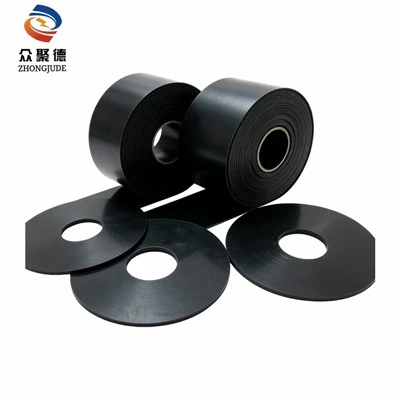
If you’re in the market for these mats, don’t just go by the label “flame retardant.” Ask for samples, ask about the manufacturing process, ask what standards they meet. If you’re not sure what kind is right for your space (workshop, gym, lab, whatever), feel free to reach out and chat. We don’t do pushy sales stuff—we just tell you what works, because we’ve been doing this long enough to know that happy customers come back, and referrals are the best kind of business. So if you want to talk through your needs, get a sample, or just ask a random question, don’t hesitate to connect.
Silicone Rubber Mat References
ASTM F1670-17, Standard Test Method for Measuring Slip Resistance of Materials Used in Flooring Systems
NFPA 701, Standard Methods of Fire Tests for Flame Propagation of Textiles and Films
UL 94, Standard for Safety of Flammability of Plastic Materials for Parts in Devices and Appliances
National Safety Council (NSC) Data on Work-Related Slip, Trip, and Fall Incidents, 2022
Hebei Zhongjude Power Technology Co., Ltd.
With abundant experience, we are one of the most reliable flame retardant rubber mat manufacturers and suppliers in China. Welcome to buy bulk high quality flame retardant rubber mat for sale here and get quotation from our factory. For price consultation, contact us.
Address: Shenghe Plaza, No.88 Qilian Street, High-tech Zone, Shijiazhuang City, Hebei Province, China
E-mail: zhongjude@outlook.com
WebSite: https://www.zjdinsul.com/
