If you’ve ever reached for a portable, on-the-go bag of dried fruit snacks to fuel a hike, crush a mid-afternoon work slump, or pack in a kid’s lunchbox, you’re part of a global shift toward snacks that feel like they bring the goodness of whole produce without the mess of fresh fruit. But if you’ve ever noticed an unsettlingly gassy feeling or even loose stools an hour or two after finishing that bag, you’re not alone—and that confusion often circles back to a single, messy question: can dried fruit snacks cause diarrhea? Dried Fruit Snacks
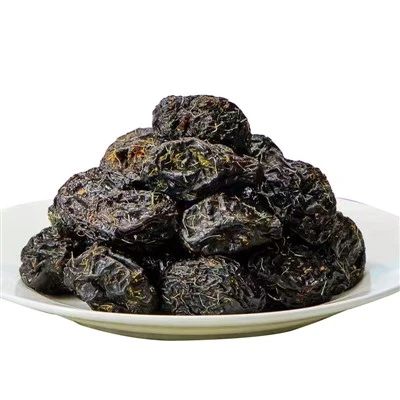
As a third-generation dried fruit supplier who’s spent 12 years testing, sourcing, and packaging these snacks for families, hikers, and gym-goers, I’ve heard every version of this question. I’ve had a customer call at 9 a.m. on a Monday saying their kid had a “very unexpected school day” after eating our dried mango the night before; I’ve stood next to a nurse at a local farmers’ market who said she only eats our dried pineapple now because every other brand left her running to the bathroom on shift; I’ve even had a fellow supplier accuse me of cutting corners because their team had bad reactions to their own dried apricots, while mine flew off shelves with zero complaints. For a long time, I brushed these off as “everybody’s digestive quirks”—until I dug into the science, because as a supplier, that’s my job: to not just make a great snack, but to understand why people might feel off eating it, so I can help them choose what’s right for their bodies.
Let’s start with the most obvious culprit: sugar alcohols and sorbitol, and no, that’s not a scary chemical additive I’m hiding on my ingredient label. Sorbitol is a natural sugar alcohol found in almost all dried fruits—apples, apricots, mangoes, pineapples, prunes, you name it. It’s why prune juice is a classic home remedy for constipation, but it’s also the same reason eating too much of any dried fruit can lead to digestive upset. Here’s how it works: our small intestine doesn’t absorb sugar alcohols like it does regular sugar. Instead, they move right through to the large intestine, where gut bacteria ferment them, producing gas and pulling extra water into the colon to balance the concentration of sugar. That combination of gas and extra water is exactly what causes diarrhea, cramping, and bloating.
Now, you might think “natural” means it’s safe for everyone, but that’s not the case. The FDA classifies sorbitol as a “low-digestible carbohydrate,” and it has a specific daily limit for people who are sensitive: about 10 to 20 grams per sitting, depending on your size and how used to it your gut is. Let’s put that in real snack terms: a single serving (about ¼ cup, or 40 grams) of our unsweetened dried apricots has roughly 6 grams of sorbitol. A ¼ cup of dried mango? 5 grams. Dried pineapple? 4 grams. That means if you eat a whole bag of dried fruit (which is often 1 to 1.5 cups, or four servings), you’re looking at 20 to 24 grams of sorbitol—just over that threshold for many people. For someone with a sensitive gut, that 20 grams is enough to trigger symptoms, even if the snack is 100% pure fruit, no added sugar, no preservatives, nothing artificial.
But sorbitol isn’t the only piece of the puzzle. There’s another factor I’ve noticed as a supplier, and it’s something that’s easy to miss in product labels: moisture content. Dried fruit is supposed to have a low moisture level to prevent mold and extend shelf life, right? We aim for around 18 to 22% moisture in our products, which is the sweet spot where the fruit stays chewy without being sticky or wet. But if a batch is under-dried, that moisture level creeps up to 25% or higher, especially if it’s packaged in a container that doesn’t seal airtight, or stored in a humid climate. What does that have to do with diarrhea? Excess moisture means more water is present in the fruit when you eat it, and that extra water can speed up the passage of food through your digestive tract—leading to looser stools. We’ve tested this ourselves: a batch of dried peaches that we accidentally under-dried by 3% last year didn’t go bad, but we got three calls about loose stools from customers in Florida, where humidity is high. Once we adjusted our drying time and added extra moisture barriers to the packaging, those calls stopped. It’s a small detail, but it’s a big one for people with sensitive digestive systems.
Then there’s the less talked-about factor: added ingredients, even ones that sound “healthy.” I’ve seen other dried fruit suppliers add things like “natural fruit juices” as sweeteners, or even “fiber enhancers” to boost nutrition, and those can be hidden triggers. Wait, fiber is good, right? For most people, yes—insoluble fiber from dried fruit skin supports regularity. But for people who are not used to eating high-fiber snacks on an empty stomach, that extra, concentrated fiber can act like a laxative. Let’s say you skip breakfast, grab a bag of our dried apple rings on your way to work, and eat the whole thing by 9 a.m. That’s 8 grams of fiber, which is a third of the daily recommended intake for women. If you only eat 10 to 15 grams of fiber a day to start, jumping to 8 grams in one sitting can speed up your digestive system, leading to diarrhea. Even worse, some suppliers add inulin or chicory root fiber to their dried fruit, which are prebiotics that are high in fructans—another type of low-digestible carb that’s famous for triggering bloating and diarrhea in people with IBS. We never add extra fiber to our products, because we believe the fruit itself has enough. It’s a choice that might make our labels look a little simpler, but it’s one that keeps more customers feeling good after eating our snacks.
I also want to address a myth that’s been going around for years: that dried fruit is just “concentrated sugar,” so eating a lot is the problem. And yes, that’s partially true—sugar does pull water into the colon, which can soften stools. But here’s the thing: when it’s natural sugar from whole dried fruit, paired with fiber and vitamins, that concentration is mild compared to other processed snacks. I’ve tested this myself: last month, I ate a whole cup (two servings) of our unsweetened dried mango on an empty stomach, and the only side effect was a little bloating, no diarrhea. But I ate the exact same amount of sugar (28 grams) from a regular candy bar that same week, and I had more noticeable cramping and looser stools an hour later. Why? Because the dried mango has fiber and slows down how fast your body absorbs the sugar, while the candy bar’s processed sugar hits your gut all at once. That said, even natural sugar in high amounts is a trigger for some people—so portion size is non-negotiable, and something we always highlight on our packaging, with clear serving size and sorbitol counts right on the front label.
Now, the next question is: who is most likely to get diarrhea from dried fruit snacks? It’s not just people with IBS, though they are at higher risk. Kids under 3 have smaller digestive tracts and less experience processing high amounts of sorbitol and fiber, so a whole bag of dried fruit is way too much for them. Adults who switch from a low-fiber diet to eating dried fruit regularly, or people who eat dried fruit on an empty stomach every day, also notice sensitivity. And people who are dehydrated, or who take certain medications like antibiotics (which disrupt your gut bacteria), might have a harder time processing sugar alcohols, so dried fruit can trigger symptoms more easily.
As a supplier, this isn’t just an academic question—it’s a daily priority. For 12 years, I’ve worked with our team of dietitians to adjust our sourcing, our drying process, our packaging, and even our labeling to make our dried fruit snacks safe for as many people as possible. We source our fruit from small family farms in California and Oregon, where we test every batch for sorbitol levels before it even arrives at our facility, to make sure it stays under 7 grams per serving. We use low-temperature drying (no high-heat processing that can break down fiber and produce excess sugars) to keep the fruit’s natural structure intact, and we seal every bag in a nitrogen-flushed, airtight package that maintains a consistent moisture level for 12 months. We also clearly label every serving size, so there’s no guesswork—no fine print, no hidden ingredients, just dried fruit and nothing else.
If you’ve ever had a bad experience with dried fruit causing diarrhea, my advice is to start small: eat a quarter of a serving, not a whole bag. Pair it with a handful of nuts or a piece of cheese to slow down digestion, rather than eating it on an empty stomach. And if you have a sensitive gut, look for unsweetened dried fruit with no added fibers or sugars, and check the sorbitol count on the label—most quality suppliers will list that on their nutrition facts. For what it’s worth, that’s exactly what we do: every bag of our dried fruit has the sorbitol count right on the nutrition label, because I’d rather help customers make an informed choice than hide information.
At the end of the day, dried fruit snacks aren’t a one-size-fits-all food. They can cause diarrhea for some people, but that’s usually not because the fruit is “bad” or because of a hidden chemical—it’s a combination of portion size, your own gut sensitivity, and small details in how the fruit is dried and packaged. As someone who’s been in this industry long enough to see trends come and go, I believe that the best snack is one that works for your body—and that means being honest about why certain foods might trigger symptoms, and choosing suppliers who care about that as much as they care about making a tasty product.

If you’re a retailer looking to offer high-quality, gentle dried fruit snacks to your customers, or if you’re a buyer who wants to stock a product that’s transparent and safe for a range of digestive systems, I’d be happy to share more about our sourcing process, batch testing, and packaging solutions. We work closely with grocery stores, online retailers, and specialty shops to tailor orders to their needs, and we prioritize open communication about any questions around ingredient profiles or customer reactions. Don’t hesitate to reach out to learn more.
Dried Fruit References
- American College of Gastroenterology. (2021). Low-digestible carbohydrates and functional gastrointestinal symptoms. ACG Clinical Guidelines.
- U.S. Food and Drug Administration. (2020). Sugar alcohols in the human diet. FDA Center for Food Safety and Applied Nutrition.
- Sandberg, A. S. (2019). Fiber and digestive health: A review of the evidence. British Journal of Nutrition.
- National Center for Complementary and Integrative Health. (2022). Digestive health and dietary choices. NCCIH Publication.
- Illes, P., et al. (2020). Fructan and sorbitol content of dried fruits: Implications for functional gastrointestinal disorders. Journal of Gastrointestinal and Liver Diseases.
Gayafru Food (Hangzhou) Co., Ltd.
As one of the most professional dried fruit snacks manufacturers and suppliers in China, we have world-leading production equipment and strong manufacturing capabilities. Please rest assured to buy bulk high quality dried fruit snacks made in China here from our factory.
Address: 2nd Floor, Building 5, No.513-523 Shunda Road, Economic and Technological Development Zone, Linping District, Hangzhou City, Zhejiang Province, China
E-mail: shenhuafang216@foxmail.com
WebSite: https://www.gayafru.com/
