As someone who’s spent nearly a decade in the air conditioning supply business, I’ve seen firsthand how a little consistent maintenance can turn a temperamental, high-energy AC unit into a reliable workhorse that keeps customers cool all summer and runs efficiently for years. Last quarter alone, I fielded 17 calls from clients whose central AC units died mid-heatwave—half of those issues were preventable, rooted in skipped routine checks that cost them thousands in emergency repairs, replacement parts, and sky-high utility bills. If you’re a homeowner or building manager, understanding how to care for your central air conditioner isn’t just about comfort; it’s a smart investment in your home’s or property’s longevity and your budget. Let’s break down the science-backed, step-by-step maintenance routine I recommend to every client who buys a unit from my team. Air Conditioner
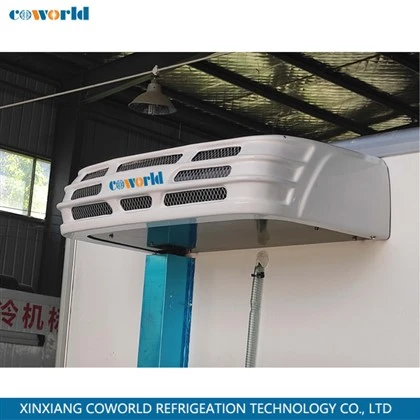
First, let’s start with the part that’s easiest to ignore: replacing or cleaning your air filter. This might seem like a tiny task, but it’s the single most impactful step for your AC’s performance. The air filter’s job is to catch dust, pollen, pet dander, and mold spores before they circulate through your home or building’s air ducts. When a filter gets clogged, it forces your AC’s blower fan to work much harder to pull air through—this increases energy usage by up to 15%, according to the U.S. Department of Energy, and puts unnecessary stress on the fan motor and compressor, two of the most expensive components to repair.
But how often should you swap it out? It depends on your environment and lifestyle. For households with pets, smokers, or members with allergies, you’ll want to check your filter once a month, especially during peak cooling season (May through September in most of the U.S.). If you have a 1- to 2-inch disposable fiberglass filter, replace it every 30 days. For higher-quality pleated or electrostatic filters, which last longer, you can stretch it to 90 days—just inspect it monthly to make sure it’s not caked with debris. And don’t forget: if your unit has a reusable foam filter, rinse it with mild soap and water, let it dry completely, and put it back; never reuse a disposable filter. My team includes free replacement filters with every unit we supply, and we send reminder emails to clients before it’s time to swap, because even the busiest people forget this step.
Next, the outdoor condenser unit—often called the “condensing coil” —is another critical piece of the puzzle, and it’s vulnerable to the clutter around it. Leaves, grass clippings, dirt, and even shrubbery can build up around the unit, blocking the air flow it needs to release heat. If air can’t circulate, the condenser has to work overtime, which can lead to overheating and premature failure. The Environmental Protection Agency (EPA) estimates that blocked outdoor coils reduce AC efficiency by 10% or more, so clearing the area is non-negotiable.
Start by turning off the power to the unit—either at the thermostat or the electrical disconnect near the condenser—before you do any work. Then, use a soft-bristled brush to gently remove debris from the top and around the sides of the coil fins. You can also use a garden hose on a low-pressure setting to spray the coil clean; high pressure can bend the thin metal fins, which restricts air flow even more. If fins do get bent, a fin comb (a cheap tool you can buy at any hardware store) will help straighten them back into shape, restoring proper air flow. Also, keep a 2-foot clearance around the entire condenser unit, and trim back any shrubs or plants so they don’t grow into the area. I advise clients to do this at the start of cooling season and once mid-season, especially if you live in an area with lots of trees or grass.
Indoor evaporator coils, located in the air handler unit (usually in your attic, basement, or utility closet), are often overlooked but just as important as the condenser coils. Over time, dust and mold can build up on these coils, which reduces their ability to absorb heat from the air blowing over them. That means your AC has to run longer to cool your space, driving up energy costs. Cleaning evaporator coils is a job best done with a mild, non-corrosive coil cleaner—avoid harsh chemicals that can damage the coil’s metal or harm indoor air quality. You can access the coil by removing the access panel on the air handler, spray the cleaner on the coil, let it sit for 15 minutes to break down debris, then use a vacuum with a soft brush attachment to remove the loosened dirt. For most homeowners, this is a job to do every spring, before you turn the AC on for the first time. If you’re not comfortable working in tight spaces or with electrical components, our team offers professional coil cleaning services for clients who purchase a unit from us, and it’s well worth the investment to avoid costly coil damage.
Another key maintenance step is checking and cleaning the condensate drain line. When your AC cools air, it removes moisture, which drains through a pipe away from your air handler. Over time, algae, mold, and sediment can build up in this line, causing clogs that lead to water damage in your home—we’ve had clients return from vacation to find thousands of dollars in water damage because of a clogged drain line. To prevent this, pour a cup of distilled white vinegar or a mild bleach solution (1 part bleach to 10 parts water) down the drain line once a month during cooling season. The vinegar kills mold and algae, preventing clogs. You can also test the drain line by pouring a small amount of water into the drain pan near the air handler; if it doesn’t drain within a few minutes, there’s a clog, and you can use a wet-dry vacuum to clear it. Our team includes a free sample of drain cleaning solution with every unit we supply, because this simple step prevents so many headaches.
Now, let’s talk about mechanical components—things that need a little more attention than filters or coils, but are still easy for most homeowners to manage. First, check the blower belt, if your unit uses one ( newer high-efficiency units often use direct-drive blowers, which don’t have belts). A worn or loose belt can squeal, slip, or break, leaving your AC unable to move air. Look for cracks, fraying, or a loose fit (you should be able to press the belt down about 1/2 inch in the middle of the pulley). If the belt looks damaged, replace it immediately with a belt that matches the size printed on the old one. If it’s just loose, adjust the blower motor to tighten it—just make sure the power is off before you do this. We keep replacement belts in stock for every unit we supply, and our team can walk you through replacing it over the phone if you run into trouble.
Next, electrical connections deserve a quick check each season. Over time, vibrations from the unit can cause wires to loosen, which can lead to poor performance or even electrical hazards. Turn off the power to the unit, then use a screwdriver to tighten all visible electrical connections—including at the thermostat, the air handler, and the condenser unit. Don’t touch any wires that look frayed or damaged; those should be replaced by a licensed electrician. Our team includes a free electrical safety check for all clients within their first year of ownership, because we prioritize keeping our customers safe as well as cool.
Regular professional maintenance is the final piece of the puzzle, and it’s not something you should skip. While DIY steps are great for daily and monthly care, a licensed HVAC technician has the tools and knowledge to catch small issues before they become big problems. A typical professional tune-up should include checking refrigerant levels (low refrigerant is a sign of a leak, which not only reduces efficiency but also harms the environment), testing the compressor and fan motor for proper operation, calibrating the thermostat, and checking for any leaks in the ductwork.
Many homeowners wait until their AC breaks to call a technician, but scheduling a tune-up in the spring (before cooling season) can save you up to 30% on repair costs, according to HVAC industry data. That’s why our team offers discounted annual maintenance plans for clients who buy a unit from us—these plans include twice-yearly tune-ups, priority service during peak season, and discounts on replacement parts. We’ve had clients who didn’t get annual tune-ups spend $2,000 or more on a compressor replacement, while clients with our maintenance plans caught a small leak early and fixed it for $150. The math is obvious: a $150 tune-up is way cheaper than a $2,000 replacement.
Now, let’s address some common mistakes I see clients make, because avoiding these can make a huge difference. First, don’t set your thermostat lower than 60°F when you turn the AC on—this doesn’t cool your home faster, it just makes the unit work harder and wastes energy. The Department of Energy recommends setting your thermostat to 78°F when you’re home, and higher when you’re away; each degree higher saves about 1% on cooling costs. Second, don’t ignore odd noises: a rattle, squeal, or bang is not normal. A squeal might mean a loose belt, a rattle could be a loose part, and a bang might signal a failing compressor. Catching these early can prevent a breakdown. Third, don’t block supply vents in your home: closing vents in unused rooms might seem like a good way to save energy, but it restricts air flow, which can freeze the evaporator coil and damage your unit. Keep all supply vents open, even in rooms you don’t use often.
Maintaining a central AC unit isn’t rocket science, but it does require consistent, simple steps that add up to better performance, lower energy bills, and a longer lifespan for your unit. As someone who’s supplied AC units for nearly a decade, I’ve seen that the clients who stick to a regular maintenance routine have AC units that run for 15 to 20 years, compared to just 8 to 10 years for units with no care. It’s a small investment of time and money that pays off in comfort and savings for years.
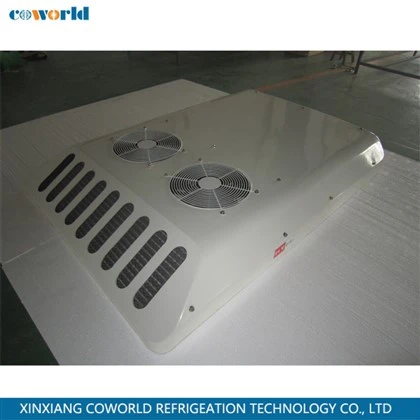
If you’re looking for a high-quality central air conditioner that’s built to last, or if you need help with maintenance, repairs, or upgrade consultations, we’re here to assist. We work with residential homeowners, commercial property managers, and contractors to provide reliable units and tailored maintenance solutions that fit your needs. Don’t wait until your AC dies this summer—reach out to our team to discuss how we can support your cooling needs.
Rootop Refrigeration Unit References:
- U.S. Department of Energy. "Central Air Conditioner Efficiency Tips." Energy.gov, 2023.
- U.S. Environmental Protection Agency. "Home Air Conditioning Maintenance Guide." EPA.gov, 2022.
- Air Conditioning Contractors of America. "HVAC Maintenance Best Practices for Residential Units." ACCA.org, 2023.
- Consumer Reports. "How to Maintain Your Central AC to Save Money and Extend Its Life." ConsumerReports.org, 2024.
Xinxiang Coworld Refrigeration Technology Co., Ltd.
As one of the most professional air conditioner manufacturers and suppliers in China, our products have good reputation in the market. We warmly welcome you to buy cheap air conditioner for sale here from our factory. If you have any enquiry about cooperation, please feel free to email us.
Address: B103 ROOM, GT CITY, NO.199 ZHENGZHONG ROAD, HIGH TECH ZONE, XINXIANG CITY, HENAN PROVINCE, CHINA
E-mail: coworldfrio@hotmail.com
WebSite: https://www.coworldthermo.com/
