Hey everyone, it’s [Your Name] here, and as someone who’s been in the kitchen holder game for a minute—like, I’ve sold thousands of these things, I’ve talked to hundreds of home cooks, and I’ve seen every plastic kitchen holder fail in every possible way—I’m gonna keep it real with you today. Yeah, plastic kitchen holders are cheap, easy to grab at the grocery checkout, and lightweight, but if you’ve used one for more than six months, you already know they come with so many hidden downsides that most people don’t mention until their holder cracks or starts making their kitchen feel gross. Let’s dive in, no corporate fluff, just the stuff I’ve seen firsthand from both customers and my own supply side. Kitchen Holder

First off, let’s talk about that thing everyone thinks is a win—plastic is lightweight, right? Sure, it’s easy to yank off the counter when you need to wipe down the space around it, but that lightness is a total flaw when you’re actually putting stuff in it. I had a customer last week who texted me saying her plastic paper towel holder toppled over when she tried to yank a paper towel super hard while her hands were covered in flour. She didn’t just spill paper towels—she knocked over a bottle of olive oil, and that made a mess that took her an hour to clean. Why does that happen? Because plastic holders are made with thin, hollow plastic to keep costs low—no heavy base, no weighted bottom to keep them grounded. I’ve seen this way too much: someone yanks a load of paper towels, and the whole holder goes flying. Compare that to metal or wood ones? They’re solid, so even if you yank hard, they stay put. But plastic? It’s just not sturdy enough for a busy kitchen where you’re moving around, grabbing stuff, and sometimes being a little clumsy.
Then there’s the durability problem, which is basically a death sentence for a kitchen tool you use every single day. Plastic gets brittle over time, especially if it’s near a stovetop or any source of heat. Let’s be real—most people put their paper towel holder next to the oven or the microwave, right? A lot of plastic is petroleum-based, so it doesn’t handle constant temperature changes well. I had a guy send me a photo of his holder that had been sitting by his toaster for a year—one day, he leaned against it, and the whole plastic base crumbled. It was split right down the middle, and he said he hadn’t even been using it super roughly. Also, plastic scratches super easily. Those tiny scratches might seem harmless at first, but they’re perfect for trapping crumbs, water, and grease. You can’t get in there to scrub them out, so over time, that holder turns into a bacteria farm. I’m not exaggerating—my cousin is a line cook, and he told me that any plastic tool in a commercial kitchen has to be replaced way more often because those scratches are breeding grounds for E. coli and salmonella. For home kitchens? Same thing—you’re wiping the outside, but the inside of the base where you can’t reach? That’s just holding onto gunk. And once cracks form? Those scratches and splits get worse, and suddenly you’re using a tool that’s full of bacteria and falling apart.
Wait, let’s not skip the chemical stuff, because that’s a big one that most suppliers brush under the rug. I know a lot of people buy plastic holders because they’re cheap, but they don’t realize that plastic can leach chemicals, especially when it’s exposed to heat or liquids. BPA, phthalates—those are the two big ones, and they’re in a lot of cheap plastic. If your holder is sitting by a hot stovetop, or you’re putting wet things (like dish brushes or paper towels that are a little damp) on it, those chemicals can seep into the stuff you’re using the holder for. Paper towels, dish rags, even the water that might drip on the base—all of that can absorb those chemicals. I had a customer ask me once why her plastic dish brush holder made her dishrags smell weird, and when we looked into it, she’d been using it near her dishwasher, which gets warm. The plastic was breaking down, and the chemicals were transferring to the rags. It’s not something you notice right away, but over months and years, that’s not great for your health. And let’s be clear—some “BPA-free” plastic is still using other chemicals that aren’t tested long-term, right? We don’t know what the full effects are, but why take the risk when there are safer options like stainless steel or bamboo?
Oh, and the environmental angle—even if you don’t care about chemicals for your own health, plastic kitchen holders are garbage for the planet, and I’ve seen how much waste they create. I sell plastic holders, and I hate seeing how many get thrown away every month. A customer might buy a plastic holder for $5, use it for 6 months, it cracks, and they toss it in the trash. Most plastic isn’t recyclable, anyway—especially the thin, molded stuff that’s used for kitchen holders. It gets tangled with other plastic waste, or it’s too small to be sorted at recycling centers, so it ends up in landfills, or even worse, oceans. As a supplier, I feel guilty about this a little, because I know there are better options out there. I had a regular customer who used to buy 10 plastic holders a year for her rental properties, and last month she switched all to bamboo ones. She said even though they’re a little more expensive, she doesn’t have to replace them every few months, and they don’t contribute to plastic waste. That makes sense to me—why keep buying a cheap holder that just ends up in a landfill, when you can get something that lasts?
Wait, let’s talk about the feel, too. Plastic has this cheap, lightweight vibe that makes your whole kitchen feel less put-together. I’ve walked into kitchens where every other appliance is nice—stainless steel fridge, marble countertop—and then there’s this weird plastic holder that sticks out like a sore thumb. It doesn’t just look flimsy; it feels flimsy. When you grab it, you can tell it’s not solid, not built to last. A lot of my customers who upgrade to metal or wood holders tell me it’s a small change, but it makes the whole kitchen feel more intentional. Yeah, it’s a cosmetic thing, but if you care about your space, that matters. Plastic doesn’t have that warm, solid feel—it’s just… there.
Don’t get me wrong, I get why people buy plastic holders. They’re cheap, they’re easy to find, they come in every color to match your kitchen. But the downsides add up fast: they tip over, they crack easily, they trap bacteria, they leach chemicals, they’re bad for the planet, and they don’t look or feel as good as other options. I’m not saying you have to throw out your current plastic holder tomorrow—if it’s working for you, that’s fine. But if you’re in the market for a new one, or you’re tired of replacing your plastic one every few months, there are way better choices.
Now, as someone who’s been in this business for years, I can tell you that I also offer non-plastic options—stainless steel, bamboo, silicone (but even silicone has its limits, to be fair). If you’re shopping around for a kitchen holder, don’t just go for the cheapest plastic one. Think about how you use it: do you yank paper towels hard? Do you keep it near heat? Do you care about what’s touching your dishes or rags? All of those things matter more than the upfront cost.
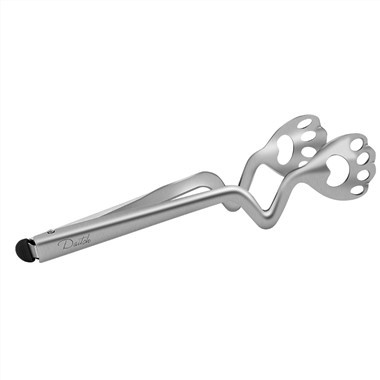
If you’re looking to upgrade your kitchen holder, or you have questions about the non-plastic options I supply, I’d love to chat. Let’s talk about what works for your space, what your needs are, and find something that’s durable, safe, and won’t leave you cleaning up a mess or replacing your holder in 6 months.
Kitchen Tableware Rack References:
- U.S. Food and Drug Administration. (2022). Chemicals in Plastic: What You Need to Know. Retrieved from FDA.gov
- Centers for Disease Control and Prevention. (2021). Bacteria and Fungi in Household Kitchen Surfaces and Tools. Retrieved from CDC.gov
- Environmental Protection Agency. (2023). Plastic Waste in the Kitchen: Impacts and Reduction Strategies. Retrieved from EPA.gov
- Journal of Kitchen and Bath Industry. (2022). Durability and Performance of Common Kitchen Holder Materials. Retrieved from JKBI Journal
- National Sanitation Foundation. (2021). Food Safety Risks from Scratched Plastic Kitchen Tools. Retrieved from NSF.org
Atacama Innovations Houseware Co., Ltd.
Atacama Innovations Houseware Co., Ltd. is one of the most professional kitchen holder manufacturers and suppliers in China. With abundant experience, we warmly welcome you to wholesale bulk high quality kitchen holder made in China here from our factory. Good service and low price are available.
Address: No. 23, Kengwei Lane South, Qingtang Village, Xiaojinkou Street, Huicheng District, Huizhou City, Guangdong Province
E-mail: sales001@i-atacama.com
WebSite: https://www.atacama-rack.com/
