If you’ve ever shopped for welded pipe fittings, you know how easy it is to get stuck staring at price tags with no context—one supplier quotes a few dollars per fitting, another triples that cost, and you’re left wondering if you’re paying for quality or just a markup. As a welded pipe fittings supplier with over a decade in the game, I hear this question every single week: “How much do welded pipe fittings actually cost, and what am I really paying for?” The short answer is, it’s not a one-size-fits-all number. Let’s break down the factors that shape pricing, what’s worth spending on, and how to avoid the common pitfalls that turn budget choices into expensive mistakes. Welded Pipe Fittings
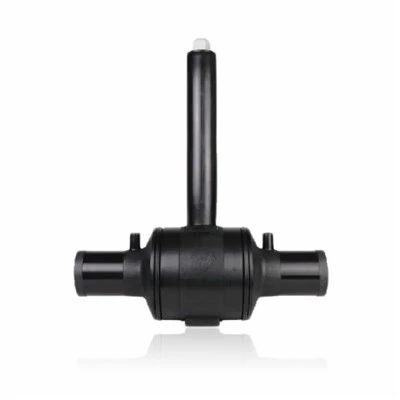
First, let’s get clear on what welded pipe fittings are and why they matter. Welded fittings are components designed to connect, change direction, size, or terminate welded pipe systems—think elbow joints, tees, reducers, caps, and flanges. Unlike threaded fittings, which use threads for connection, welded fittings are fused to pipes, making them stronger and more leak-resistant, which is why they’re standard for high-pressure applications like oil and gas, water treatment, chemical processing, and industrial HVAC. A bad fitting here isn’t just an inconvenience; it can lead to system shutdowns, safety hazards, and thousands of dollars in repairs. That’s why pricing isn’t just about material or size—it’s about the work that goes into making a fitting that will hold up under pressure for years.
The biggest factor that drives cost is material type. This is where I see most buyers underestimate how much it impacts the final price, and where I’ve seen cheap mistakes happen. Most welded fittings fall into three core material categories: carbon steel, stainless steel, and alloy steel. Let’s break each down, with 2024 price points to give you a real sense of costs:
Carbon steel is the workhorse for low-to-medium pressure, non-corrosive applications. It’s affordable, easy to weld, and makes up about 70% of the welded fittings we produce and ship every month. A 90-degree elbow in carbon steel, 4-inch nominal pipe size (NPS), schedule 40 (the standard wall thickness for general use) will run you between $12 and $18 per unit. If you need a larger size—say 10-inch NPS, schedule 80 (thicker wall for higher pressure)—that same elbow jumps to $75 to $95, mostly because of the extra steel needed and the labor to weld and inspect a larger component. The key here: carbon steel is cheap for a reason, but it doesn’t do well with corrosive fluids (like saltwater or acidic chemicals) or outdoor exposure, so using it for those applications will lead to corrosion and premature failure, costing you more in the long run.
Stainless steel fittings are for corrosive environments, food and beverage processing, and pharmaceutical systems where contamination is a risk. The price gap between carbon and stainless steel is dramatic, even for the same size and schedule. That same 4-inch NPS, schedule 40 90-degree elbow in 304 stainless steel (the most common grade) will cost between $38 and $55 per unit, and 316 stainless steel (for more severe corrosion, like saltwater) is even higher, at $45 to $62 per unit for that same size. Why the big difference? Stainless steel has more chromium and nickel, which are far more expensive raw materials than the iron and carbon in carbon steel. It also requires more precise welding and surface finishing to maintain its corrosion resistance, so labor costs are higher too. A common mistake we see here is buyers trying to cut costs by using 304 stainless steel in a high-corrosion area—within a year, the fittings start pitting, and they’re back ordering replacements, so spending a little more upfront on 316 saves them twice as much down the line.
Alloy steel fittings are the heavy hitters for extreme pressure and high-temperature applications, like refineries, power plants, and aerospace systems. These are made from materials like chrome-moly (CR-MO), where adding elements like chromium and molybdenum gives them strength that can handle temperatures up to 1,000°F and pressures over 1,500 PSI. Pricing here is the highest: a 4-inch NPS, schedule 80 CR-MO 90-degree elbow will run between $85 and $120 per unit, and larger sizes can top $500 each. The raw materials for alloy steel are far scarcer and more expensive than carbon or stainless, and every fitting has to undergo rigorous testing—like ultrasonic testing (UT) or hydrostatic pressure testing—to ensure it can handle the extreme conditions. Skimp here, and a fitting failure can cause a catastrophic system shutdown that costs tens of thousands of dollars in lost production.
Next, size and wall thickness, or what industry folks call “NPS” and “schedule,” make an enormous difference. A 1-inch NPS carbon steel tee, schedule 40, might only cost $3 to $5, while a 12-inch NPS tee of the same material and schedule will cost $120 to $150. Why? The raw material weight scales exponentially, not linearly—doubling the size of a fitting often requires three times more steel. Wall thickness, or schedule, adds even more. Schedule 40 is standard, but if you need schedule 80 for higher pressure or rough handling, wall thickness increases by 50%, so pricing jumps by 40% to 60%. For example, a 6-inch NPS carbon steel reducer: schedule 40 is $45 to $55, schedule 80 is $75 to $90. It’s not just extra steel—thicker walls require more heat to weld, more time to inspect, and meet stricter pressure testing standards, all adding to the cost.
Then there’s manufacturing quality, which is the biggest hidden cost most buyers miss. Not all welded fittings are made the same, and the difference between a $10 elbow and a $25 elbow of the same size and material can be night and day. Let’s talk about what goes into a high-quality welded fitting, the kind we produce at our shop, versus the cheap, overseas-made stuff you might find on discount industrial sites.
First, material certification. Every batch of steel we use comes with a mill test report (MTR), which confirms the material composition, strength, and chemical makeup matches the standard—whether that’s ASTM A234 for carbon steel fittings, ASTM A403 for stainless steel, or ASTM A234 for alloy steel. Cheap fittings often skip this step, using “off-spec” steel that has lower strength or hidden imperfections. Last year, we had a client who bought 100 cheap 8-inch stainless steel elbows for a food processing plant—when we tested their MTRs, we found they were made from 201 stainless instead of 304, which is not food-safe. They ended up throwing all of them out and reordering from us, costing them 3x the original cheap price just to fix the mistake.
Weld quality is another big one. Welded fittings are made by welding two ends of a pipe to form the fitting shape, right? The weld has to be smooth, uniform, and free of voids, cracks, or porosity to hold up under pressure. High-quality fittings use automated welding processes (like submerged arc welding) that produce consistent, strong welds, and every fitting undergoes non-destructive testing (NDT)—like dye penetrant testing or ultrasonic testing—to check for flaws. Cheap fittings often use manual welding, which leaves inconsistent welds, and skip NDT to cut costs. We saw this firsthand in 2022: a refinery bought 50 carbon steel tees from a no-name supplier, and two months into operation, one of the tees’ welds cracked under pressure, causing a 12-hour shutdown that cost the refinery over $200,000 in lost production. The $2 per tee savings had cost them $200k.
Finish and testing also play a role. Most fittings come with a black oxide finish for carbon steel, or pickled and passivated for stainless steel to prevent rust. Cheap fittings might skip passivation, leaving the stainless steel vulnerable to corrosion. We also hydrostatic test every fitting we ship to 1.5 times the maximum working pressure to ensure it doesn’t leak, while many lower-cost suppliers skip this step entirely, assuming the welds will hold.
Then there are add-on services that can bump up pricing, but are often worth it. If you need fittings with a specific coating—like galvanizing for outdoor exposed systems, or epoxy coating for corrosion resistance—add 10% to 25% to the base cost. Custom machining, like flanges that need specific bolt hole patterns, can add 15% to 30%, since that requires extra setup time and precision. For emergency orders, we offer 24-hour turnaround, which adds a 20% surcharge—something to keep in mind if your project has a tight deadline.
Now, let’s talk about pricing ranges to give you a clear ballpark for common sizes and applications, as of 2024:
- Small fittings (1–2 inch NPS): Carbon steel: $3–$8 each; 304 stainless: $8–$18 each; 316 stainless: $10–$22 each; CR-MO alloy: $18–$35 each.
- Medium fittings (3–8 inch NPS): Carbon steel: $12–$90 each; 304 stainless: $38–$120 each; 316 stainless: $45–$140 each; CR-MO alloy: $85–$250 each.
- Large fittings (10 inch NPS+): Carbon steel: $95–$500+ each; 304 stainless: $150–$700+ each; 316 stainless: $175–$800+ each; CR-MO alloy: $300–$1,500+ each.
Keep in mind, these are per-unit prices for schedule 40, standard grade fittings. Bulk orders (100+ units) get a 5% to 15% discount, and long-term contracts for repeat projects can see discounts up to 20%—something we offer to regular clients to help keep their budgets manageable.
A common question I get is, “Can I just buy the cheapest welded fittings I can find to save money?” My answer, always, is: it depends on your application. If you’re working on a small, low-pressure DIY project, like a backyard irrigation system, cheap carbon steel fittings might work for a few years. But if you’re working on a commercial project, a refinery, a water treatment plant, or any system where a failure can cause safety hazards or lost revenue, cutting corners on fittings is never worth it. Last year, we had a municipal water district come to us after they had installed cheap fittings for a new line—within 6 months, 20% of the fittings had corroded and leaked, leading to street closures and water supply disruptions. They’d paid 20% less upfront, but the repairs and replacements cost them 10x that amount.
Another thing to consider: lead times. Cheap fittings from overseas might seem like a great deal, but lead times can be 4–6 weeks, and if there’s a defect, you’ll have to wait even longer. We stock most common sizes and materials in our warehouse, so we can ship orders within 3–5 business days, which is critical for projects running on a tight timeline.
So, how do you get the right welded pipe fittings at a fair price? The first step is to share the details of your project with a trusted supplier: what application it’s for, the maximum pressure and temperature, the fluid being transported, and the size and schedule you need. A good supplier will help you choose the right material to avoid overpaying for a material you don’t need, and will be transparent about their manufacturing processes, material certifications, and testing. Avoid suppliers that only quote prices without asking for project details—they’re likely selling generic, untested fittings that could cause problems down the line.
If you’re planning a project, need to replace existing fittings, or just want to get a quote for your welded pipe fitting needs, we’re here to help. We work with commercial contractors, industrial plants, municipal projects, and small businesses alike, and we’ll provide you with a detailed quote that includes material specs, lead times, and any add-on services you might need. Reach out to our team to discuss your requirements, and we’ll help you find the right fittings that balance quality, cost, and reliability for your project.
Hot Melt Pipe Fittings References
- American Society of Mechanical Engineers (ASME) B16.9: Factory-Made Wrought Steel Buttwelding Fittings.
- ASTM International A234: Standard Specification for Piping Fittings of Wrought Carbon Steel and Alloy Steel for Moderate and High-Temperature Service.
- ASTM International A403: Standard Specification for Wrought Austenitic Stainless Steel Piping Fittings.
- Pipeline and Hazardous Materials Safety Administration (PHMSA): Guidelines for Welded Pipe Fitting Integrity in High-Pressure Fluid Systems.
Yuyao Aoshi Hydraulic Components Manufacturing Co., Ltd.
As one of the most professional welded pipe fittings manufacturers and suppliers in China, we’re featured by quality products and good service. Please rest assured to wholesale welded pipe fittings in stock here and get quotation from our factory. Customized orders are welcome.
Address: Huilong village, Zhangting town, Yuyao city, Zhejiang province, China.
E-mail: renxuwei@vip.163.com
WebSite: https://www.jintongtrading.com/
