If you’ve ever stood in front of your closet, staring at a stack of women’s pants and suits that range from a $19 fast-fashion pair that pilled after three wears to a $1,200 tailored blazer that still looks sharp after five years, you know there’s no one-size-fits-all price tag for these wardrobe staples. As a women’s pants and suits supplier who’s worked directly with manufacturers, boutique owners, and independent stylists for nearly a decade, I get asked this question at least once a week: what’s the real price range for women’s pants and suits—and what actually determines that gap between a budget buy and an investment piece? Let’s break it down, without the fancy marketing fluff, because when it comes to outfitting women for work, events, or everyday wear, the numbers matter as much as the fit. Women’s Pants and Suits
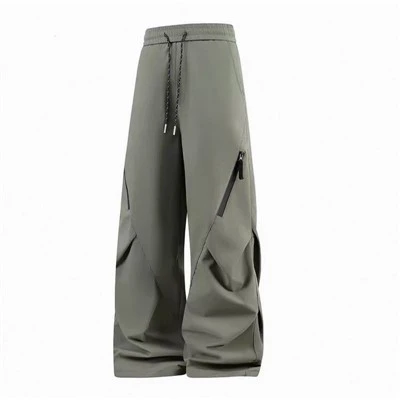
First, let’s talk about the two core categories: ready-to-wear (or RTW) pieces, which are made in fixed sizes for mass distribution, and made-to-measure (MTM) or bespoke options, which are cut to an individual’s exact measurements. Most women shopping for everyday or professional wear fall somewhere in between, so I’ll focus on the segments that make up the bulk of our business, from the most accessible to the premium tier.
Starting with the budget end: that’s typically $20 to $80 for women’s pants, and $50 to $150 for a basic suit jacket and separate pants. Wait, I know what you’re thinking—$20 pants? How are those even possible? Let’s be honest: these are the pieces you pick up at a big-box retailer or fast-fashion chain for last-minute errands, or that one off-site team meeting where you don’t want to ruin a nice pair. But before you dismiss this tier, there’s a reason they hit this price point. Manufacturers here use synthetic blends—think polyester, rayon, or even cheap spandex—that are designed to look presentable for a few wears, not to hold up to dry cleaning or repeated washes. Stitching might be done with basic thread, and sizing is standardized to fit 10 different body types, so the fit can be hit or miss. For context, most of our wholesale budget lines (we supply small boutiques that cater to entry-level professionals) land in this lower range, because those customers need affordable, on-trend pieces for internships or part-time roles where they’re still building their work wardrobes. Last year, we worked with a boutique in Chicago that stocked these $55 suits (jacket + pants) for new grads, and while the return rate was a little higher than our premium lines, the repeat customers came back a year later when they needed their first “real” suits for job interviews. That’s the thing about budget pieces—they serve a purpose, even if they’re not built to last a decade.
Moving up to the mid-tier, which is where most of our regular clients operate: independent boutiques, corporate uniform programs, and stylists serving mid-level professionals. Here, women’s pants range from $80 to $250, and a suit (jacket + pants or skirt) runs from $150 to $400. This is where the quality makes a noticeable jump. We switch from synthetic blends to higher-quality fabrics—polyester-cotton blends that drape better, or lightweight wool for warm weather, or stretch twill for comfort during long workdays. Stitching is reinforced at high-stress points: the inseam of pants, the shoulder seams of blazers, the buttonholes on jacket fronts. Sizing here is more inclusive, often running up to size 20 or even 22, and many brands offer petite, tall, and curvy cuts to address the gap that big-box retailers ignore. One of our most popular lines in this tier is a pair of high-waisted straight-leg pants made from 97% cotton and 3% elastane, priced at $125 wholesale. Our clients sell them for $225, and we’ve had customers wear them for 2+ years without pilling or stretching out at the waist. For suits, a mid-tier wool blend two-piece is our best seller for corporate events and office wear—durable enough for dry cleaning, tailored enough for client meetings, and priced so that small businesses can afford to outfit their teams without breaking the bank. We also offer mix-and-match pieces here, so someone can buy a black blazer and camel pants separately to build a versatile wardrobe, which is a big draw for customers who don’t want to spend on a full set right away.
Now, the premium tier—this is where women’s pants go from $250 to $1,000+, and suits hit $400 to $2,000 or more. This is the investment piece territory, for women who wear their suits to boardrooms, red carpet events, or weddings, and who want pieces that last 5+ years. What sets this tier apart is the fabric and craftsmanship. We work with mills in Italy and Japan here, using 100% virgin wool, cashmere blends, or high-performance fabrics that resist wrinkles and hold their shape even during air travel. Stitching is hand-finished in some cases: lapels are pressed and sewn by hand, inseams are double-stitched for extra durability, and buttonholes are cut and reinforced with thread that won’t fray. Sizing is often extremely inclusive, with custom options for petites, tall, and curvy frames that aren’t available in mass lines. Last year, we supplied a set of bespoke suits for a Fortune 500 CEO, where we adjusted the jacket length, pant rise, and even the lining fabric to match her exact preferences. The price for that set? Over $1,800, but she told us she’s had similar pieces last 10+ years, and the tailored fit saves her from having to alter pieces every few months. For most of our premium retail clients (boutiques in major cities like New York, Los Angeles, and Toronto), their premium lines are best sellers for professionals who want to make a statement, or for special events like weddings or graduation. We’ve noticed that repeat customers in this tier often come back for new pieces every 2-3 years, because they’re adding to their collection, not replacing worn-out items.
But here’s the part that most price guides leave out: it’s not just fabric and craftsmanship that determines the price of women’s pants and suits. There are a handful of hidden factors that I see every day as a supplier. First, labor: in countries with higher minimum wages, like the U.S. or parts of the EU, manufacturing costs can be 20-30% higher than in regions with lower labor costs, but that means jobs are fair, and workers aren’t being overworked. We used to work with a factory overseas that offered lower prices, but their stitching quality was inconsistent, and the workers weren’t paid a living wage. Switching to a U.S.-based factory (we work with one in North Carolina) increased our costs by 18%, but the quality is more reliable, and our clients know that when they buy from us, they’re supporting ethical production. That cost gets passed on to the customer, but it’s worth it for the consistent fit and durability.
Second, design and pattern grading. A well-made suit isn’t just cutting a piece of fabric and sewing it together— it’s accounting for the way fabric moves with the body, how pant legs drape over hips and thighs, how blazer lapels sit on shoulders. For women, this is even more important, because most mass-produced patterns are based on generic male body shapes, so they don’t account for curves, smaller waists relative to hips, or longer or shorter torsos. We work with designers who specialize in women’s formal wear, so our patterns are adjusted for real women’s bodies, and that design work adds to the cost. For example, a pair of women’s pants with a curved waistband to sit at the natural waist instead of slouching adds $5 to the production cost, but it makes a huge difference in fit—something that our clients and their customers rave about.
Third, extras like pockets. I can’t tell you how many times a customer has told me they avoid cheap suits because there are no pockets, or the pockets are sewn shut. A pair of women’s pants with functional, deep pockets (for a phone, lipstick, and a wallet) adds a little to the production cost, but it’s a feature that makes the piece far more useful. In our mid-tier line, we added pockets to all our pants and suits two years ago, and sales increased by 25%—women are tired of carrying a handbag when they’re at work, so functional pockets matter more than fancy buttons for most shoppers.
Now, let’s talk about trends, because that’s a big factor that shifts prices over time. In recent years, the rise of “office casual” has blurred the lines between work wear and everyday wear, so mid-tier brands are offering pieces that are versatile— a pair of tailored jogger pants that works for a client meeting and a dinner after, or a blazer that can be dressed up with pants or down with jeans. That versatility means these pieces hold their value better than strictly formal wear, and their price points reflect that. On the flip side, demand for sustainable fabrics (organic cotton, recycled polyester, deadstock wool) has pushed prices up across all tiers. We started offering organic cotton pants in our mid-tier line three years ago, and the cost increased by 12%, but customers are willing to pay more for pieces that are eco-friendly. That’s a trend that’s here to stay, so expect that price range to shift slightly as sustainable production becomes more standard.
I also want to address the common misconception that “you get what you pay for” isn’t always true. I’ve seen $50 suits that are sturdier and better-fitting than $150 ones, because of how the fabric is cut or the stitching is done. It’s important to look beyond the price tag and consider how you’ll wear the piece. If you need a suit for a one-time job interview, a budget pair might work, but if you’re wearing it to work 4 days a week, investing in a mid-tier or premium piece will save you money in the long run, because you won’t have to replace it every 6 months.
As a supplier, our goal isn’t to sell the most expensive pieces—it’s to offer options for every woman, no matter her budget or needs. We work with clients ranging from small local boutiques to large corporate uniform programs, and we help them curate lines that fit their customers’ lifestyles. Whether someone needs their first pair of work pants for $60, a set of suits for their team for $200 each, or an investment piece for a special event, we have access to manufacturing and design that can deliver that.
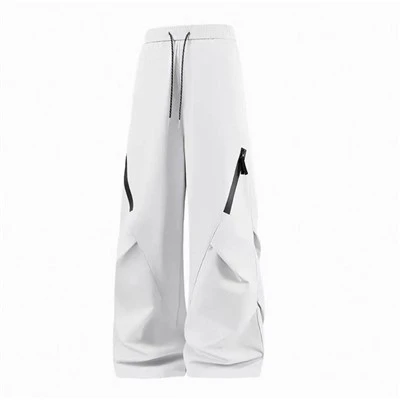
If you’re a boutique owner, stylist, or corporate buyer looking to source women’s pants and suits that balance quality, price, and fit for your customers, we’d love to chat. We offer flexible minimum orders, custom design options, and transparent pricing, so you can build a line that works for your brand’s needs. Don’t hesitate to reach out to learn more about our current collections, fabric options, and wholesale terms.
Men’s Wear References:
- Textile Institute. (2022). Global Apparel Manufacturing Cost Report: Labor, Fabric, and Quality Standards.
- National Retail Federation. (2023). Women’s Work Wear Consumer Survey: Budget vs. Premium Purchase Trends.
- Ethical Fashion Forum. (2021). Sustainable Fabrics and Pricing in Women’s Formal Wear.
- International Organization for Standardization. (2020). Body Measurement Standards for Women’s Apparel: Fit and Inclusivity Guidelines.
Tengzhou Jufulong Garment Co., Ltd.
We are one of the most professional women’s pants and suits manufacturers and suppliers in China, also support customized service. With abundant experience, we warmly welcome you to wholesale high quality women’s pants and suits made in China here from our factory. Contact us for free sample.
Address: Zongzhuang Village, Jisuo Town, Tengzhou City, Zaozhuang City, Shandong Province (West of Jisuo Middle School)
E-mail: 17606320177@163.com
WebSite: https://www.jufulongwear.com/
