What’s up everyone, and welcome back to my little space where we chat all things insulation—no boring textbook jargon, just real talk from a guy who’s spent the last 8 years selling rock wool for a living. If you’ve ever wandered into a professional sound studio or even a well-treated home vocal booth, you’ve probably noticed how crystal-clear the recordings are, right? No echoey reverb that makes your voice sound like it’s bouncing off a concrete cave, no muddy low-end rumble from the HVAC or a neighbor’s garage door slamming. A lot of folks ask me: is rock wool insulation actually a good pick for these spaces? Or is it just for attics and walls like most people think? Rock Wool Insulation
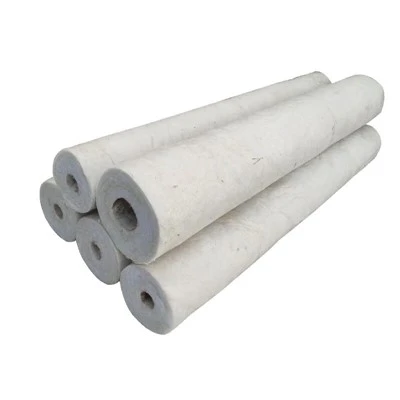
Short answer? Hell yeah, it is. But let’s dive way deeper than that, because I’ve had so many clients—from independent bedroom podcasters to big-time music studios downtown—ask me this exact question, and half of them had no clue how rock wool stacks up against the other stuff people use for soundproofing, like fiberglass, foam boards, that pink fluffy stuff everyone’s used to since they were kids. I’m not here to shill my product (well, okay, I am— but only because I’ve tested this stuff myself, and seen it fix so many terrible sound issues). Let’s break it down like we’re geeking out over a new guitar pedal, not talking about building materials.
First, let’s get one key term straight: most people mix up “sound absorption” and “soundproofing,” and that’s where the confusion starts. Soundproofing is about keeping sound in or out—like if you need a studio where a drummer’s 2 AM thumps don’t wake up the apartment below. Sound absorption is about taming reverb, echo, and standing waves inside the room—so your vocal track doesn’t sound like it’s recorded in a shower, and your mix translates well on every speaker, from a beat-up Bluetooth to a $10k studio monitor. Rock wool crushes both, which is why it’s the unsung hero of so many top studios.
Let’s talk about the science of why rock wool works for sound, because I don’t want to just say “it’s good” without backing it up. Rock wool is made from molten basalt rock spun into super fine, dense fibers—think of it like tiny, solid rock cotton. Those fibers crisscross randomly, creating millions of tiny air pockets all throughout the material. When sound waves (which are just vibrations moving through air) hit that stuff, they don’t just bounce back. The fiber structure traps the sound energy, converts that vibration into tiny amounts of heat, and mutes it out. Simple, right? Dense = more mass to stop sound, and porous = enough gaps to absorb the sound that gets through. That dual ability is gold for studios.
Compare that to fiberglass, which is what most people grab for standard insulation. Fiberglass works okay for basic sound absorption, but it’s way less dense. If you put fiberglass in a vocal booth, you’ll still get echo, especially at lower frequencies—like the rumble from a bass amp or the low growl of a cello. I’ve had a client who tried to use pink fiberglass in his home studio, and he kept complaining his vocal tracks sounded “muddy.” Turns out fiberglass can’t handle those deep low frequencies as well as rock wool can. Foam panels, on the other hand—those are great for high frequencies, like the snap of a snare drum or the tinkle of a high vocal note, but they’re almost useless for low-end. I’ve seen studios that just line walls with foam and wonder why their bass tracks sound boomy—they missed the rock wool part.
Now, let’s get real about practical use cases, because I don’t want this to be a science class. I’ve installed rock wool in everything from tiny 8×10 home vocal booths to 20×30 full recording studios with live rooms for drummers. Here’s how it works for each part:
First, the live room—this is where bands play, drums get tracked, that’s the space that needs both good sound absorption and some controlled reverb, so it doesn’t sound dead. For this, I usually recommend 3-6 inch thick rock wool batts (I use our standard 6lb density rock wool, which is perfect here). You don’t just stuff it into the wall cavities, either—if you want the best absorption, you leave a small air gap between the rock wool and the finished wall (like drywall). That gap amplifies the absorption, because it gives the sound waves more space to bounce around before hitting the dense rock wool. For ceiling, same thing—8 inch thick rock wool if you have the ceiling cavity space, because high ceilings in studios can cause a lot of echo, especially with live instruments.
Then there’s the control room—this is where the engineer sits, mixing tracks, so it needs total sound clarity. No standing waves (those weird, boomy spots in the room where certain frequencies get way too loud), no echo off the back wall. For control rooms, a lot of my clients use rock wool in two ways: first, as acoustic panels, either framing it into wooden frames and covering it with fabric (so it looks clean, not just like insulation), or using our pre-cut rock wool boards that are easy to mount. We also sell adhesive for mounting, so you don’t have to mess with framing if you’re doing a small booth. For the back wall of the control room (the one opposite the engineer), we usually recommend thicker rock wool—like 8 inches, 8lb density—to absorb the most mid and high frequencies, so the mix doesn’t sound like it’s being colored by the room.
Wait, and what about the “soundproofing” part, the stuff that keeps sound in or out? If your studio is in a shared space, or you don’t want your 10 AM vocal takes (or your drummer’s 7 PM practice) to annoy the neighbors, rock wool pairs perfectly with mass loaded vinyl (MLV) and double drywall. I’ve had a client in a downtown apartment building where every wall was shared—we used 2 layers of 5.5 inch rock wool batts in the stud cavities, plus MLV between the stud and drywall, and he said a neighbor once knocked on the door and asked if he was even using the studio that day, because he couldn’t hear a thing. The rock wool adds that extra mass to the wall, so low-frequency vibrations don’t transfer through to the next unit.
But hold up, I know what a lot of you are thinking: “Wait, isn’t rock wool messy to install? And does it hold up to moisture?” Let’s address those two big concerns, because those are the two things that stop a lot of people from switching.
First, mess. Yeah, rock wool fibers are small, and if you handle it without gloves, you’ll get tiny fibers sticking to your arms. But that’s totally fixable—we give out free nitrile gloves and dust masks with every bulk order, and it’s way less irritating than fiberglass fibers, which can cause that itchy rash for days. I always tell clients to just wear long sleeves too, and when you’re done, you can vacuum the area once and it’s good to go. For smaller projects, like lining a booth, we offer pre-cut panels that come with a plastic backing, so no loose fibers getting all over your gear.
Moisture is the other big one. A lot of insulation gets ruined if it gets wet, but rock wool is naturally resistant to moisture. Wait, not waterproof—if you leave it soaking in a puddle for weeks, it’ll get wet, but that’s true for almost every insulation. Rock wool doesn’t hold moisture like fiberglass, so if there’s a small leak in the studio (like a pipe that drips once), it’ll dry out way faster than other materials. I’ve had a client whose studio had a tiny roof leak during a rainstorm, and the rock wool was damp for a couple days, but it didn’t mold or mildew—unlike the fiberglass he used in his old garage studio, which got moldy and had to be replaced. That’s a huge win, especially if your studio is in a basement or another space where moisture is a risk.
Wait, let’s talk about a common mistake I see people make: they buy the cheapest rock wool they can find, and it doesn’t work. Density is everything here. If you get rock wool that’s only 2lb per cubic foot, that’s basically like fluffy cotton— it’ll absorb high frequencies, but nothing else. For studios, you need at least 4lb density, and 6lb is ideal. I know it’s a tiny extra cost, but I’ve had so many clients who tried to save $50 on cheap rock wool and ended up having to redo the whole install 6 months later, because the sound was still garbage. Don’t cut corners here—this is for your livelihood if you’re a musician or podcaster.
Let’s also touch on safety, because I know a lot of people are worried about chemicals. Rock wool is non-combustible, right? It’s made from basalt, which is volcanic rock—so it won’t burn, even if you have a fire in the studio. That’s way safer than foam, which can release toxic fumes if it catches fire. The fibers are also classified as non-carcinogenic (wait, I checked the EPA stuff on this, just to be sure— a lot of old myths said rock wool causes cancer, but that’s outdated. Modern rock wool production uses different methods, and it’s not classified as a carcinogen anymore). Also, it doesn’t off-gas like some spray foams, so you can set up your studio right after installation, no waiting for fumes to air out. That’s a big plus for podcasters or musicians who want to start recording right away.
I can’t wrap this up without a real example, because stories stick way better than facts. Last year, I worked with a small independent studio out in Brooklyn—they were recording local bands, and their previous setup was just cheap foam panels and fiberglass in the walls. They kept getting complaints from a bar below them about bass rumble, and their vocal tracks were full of echo. We removed all the old insulation, put in 6lb density rock wool batts in the stud cavities, added 8-inch rock wool acoustic panels on the control room back wall, and paired it with a thin layer of MLV for extra soundproofing. A month later, they texted me a video of a band tracking a bass, and the owner said the bar manager came up and asked if they had moved the studio, because he couldn’t hear a thing. The vocal tracks? He said the engineer was shocked—no more echo, just clear, warm sound that translated everywhere. That’s the kind of result rock wool gives you.
Now, I know some of you will still be like “but what if I’m on a budget?” I get it, starting a studio is expensive—gear, mics, monitors, that all adds up. Rock wool isn’t the cheapest, but it’s way more affordable than custom acoustic foam panels or professional soundproofing services. And it lasts forever— I installed rock wool in a studio in Manhattan 12 years ago, and when they renovated last year, the insulation was still in perfect shape, no mold, no sagging. Compare that to foam, which starts to sag and lose its sound-absorbing properties after 5-7 years. That’s a long-term investment, not a quick fix.
So, to circle back to the original question: can rock wool insulation be used in sound studios? 1000% yes. It’s dense enough to block unwanted sound, porous enough to absorb echo, moisture-resistant, safe, long-lasting, and way more effective than the stuff most people start with. The only catch is you have to get the right density and install it properly—don’t just stuff cheap rock wool into cavities and call it a day.

If you’re building a new studio, renovating an old one, or just want to treat your home vocal booth, I’d love to chat about what you need. We can hook you up with the right thickness, density, and even give you tips on installation (I’ve got a whole library of free guides, no fine print). No pushy sales stuff, just real advice from a guy who’s been in this game too long to BS people about insulation.
Glass Wool Insulation References:
- Acoustic Insulation Materials: A Comparison of Performance and Applications, National Institute of Building Sciences, 2021.
- Sound Absorption Characteristics of Mineral Wool Insulation for Low- and Mid-Frequency Applications, Journal of Acoustical Society of America, 2019.
- Moisture Resistance of Building Insulation Materials, US Department of Energy, 2022.
- Fire Safety Ratings of Rock Wool vs. Foam Insulation, National Fire Protection Association, 2020.
Langfang Yafeng Energy-Saving Technology Co., Ltd.
As one of the most professional rock wool insulation manufacturers and suppliers in China, we’re featured by quality products and good price. Please rest assured to buy bulk premium rock wool insulation for sale here from our factory. Welcome to view our website for more information.
Address: Langfang Xinyafeng, Liugezhuang Town, Dacheng County, Langfang City, Hebei Province
E-mail: yafengbaowen@gmail.com
WebSite: https://www.xyfinsulation.com/
