As a nano tape supplier, I get this question every single week—usually from customers who’ve just stumbled upon our product online, tried it once, and then peeled it off a wall with a confused, “Wait, can I use this again?” It’s not a silly question, either. Nano tape’s whole selling point is that it avoids the one-and-done waste of traditional adhesive tapes, like packing tape or double-sided mounting tape, that leaves gunk on walls or snaps after a single use. But the truth about how many times you can actually reuse it isn’t a one-size-fits-all number—it depends on how you use it, how you store it, and even the surface you stick it to. Nano Tape

First, let’s break down how nano tape works, because that’s the foundation of its reusability. The “nano” part isn’t just a buzzword—our product is made with millions of tiny, pyramid-shaped microstructures on its adhesive side. When you press the tape against a smooth surface (like glass, tile, or polished metal), those little structures create millions of tiny suction pockets and molecular adhesion bonds, no sticky glue required. That’s why it sticks strong, but it also lets you peel it off cleanly, without leaving residue. The problem? Those microstructures can degrade over time, just like any physical material—whether that’s from being squished too hard, dragged across a rough surface, or covered in dirt.
Now, to answer the core question: in ideal conditions, you can reuse our nano tape up to 5 times. I’ve tested this myself in our warehouse with standard 2-inch rolls: sticking the tape to a clean, smooth glass wall, peeling it off slowly (not yanking it, which damages the microstructures), wiping the surface and the tape’s adhesive side with a microfiber cloth to remove dust, then sticking it to another surface each time. The hold stays consistent for 5 uses, but by the 6th or 7th time, you’ll notice it starts to feel weaker—like a post that’s leaning a little too much to hold a framed photo or a small shelf. That’s the microstructures wearing down; each peel and re-stick compresses them just a tiny bit, until they can’t form as many suction or molecular bonds anymore.
But here’s the catch: that 5-time number is for when you use it on smooth, non-porous surfaces, and take the time to prepare it properly. If you’re sticking it to a porous surface, like unfinished wood, drywall, or a brick wall, that number drops way faster. Porous surfaces have tiny pits and holes that trap dirt and debris, which get pressed into the nano tape’s microstructures when you stick it. When you peel it off, those dirt particles stay, so the next time you press the tape, the structures can’t make full contact with a new surface. I had a customer last month who tried reusing nano tape on a painted bedroom wall 3 times, and it fell off each time. He didn’t know he needed to wipe the wall down with rubbing alcohol first, and he’d peeled it off too quickly, tearing a few of the microstructures in the process.
Then there’s the way you store it between uses. If you leave your used nano tape crumpled in a drawer, or stick it to a dusty countertop instead of cleaning it, you’re shortening its lifespan drastically. We recommend storing used rolls flat, between two sheets of wax paper to keep dust off the adhesive side, and wiping it down with a little rubbing alcohol every time you peel it. That way, you’re keeping those microstructures intact for as many uses as possible. I’ve had a repeat customer who used our nano tape to hang seasonal decor—Christmas lights in November, string lights in March, kid’s artwork in May—and he’s reused the same roll 8 times now. He swears by storing it flat in a plastic bin, wiping it with a cloth every time, and only using it on glass or metal surfaces. That’s above average, but it’s all about care.
Another thing that affects reusability is the weight and type of object you’re sticking. Nano tape isn’t designed for heavy-duty items—we recommend it for things under 5 pounds, like small frames, phone stands, or kitchen utensils. If you try to stick a 10-pound mirror with the same tape you’ve already reused 3 times, it’s going to fail, not because the tape is worn out, but because you’re asking it to do more than it’s made for. Even new nano tape can’t hold heavy items multiple times if you’re pressing it to a surface incorrectly. We always tell customers to press the tape firmly for 10 seconds after sticking, and avoid sticking it to surfaces that are cold or damp—like a bathroom mirror right after a hot shower, which has condensation. That moisture breaks down the molecular bonds, even on first use, and makes re-sticking almost impossible.
A lot of people also ask if you can wash nano tape to refresh it. The short answer is yes, but only if you do it the right way. You can rinse it under cool (not hot) water with a tiny bit of dish soap, then pat it dry with a microfiber cloth. Never put it in the washing machine or use paper towels, which can snag the microstructures. We’ve tested washing used tape before reusing it, and it adds 1 or 2 extra uses if done carefully. But if you use hot water, or scrub too hard, you’ll damage those tiny structures and it won’t work as well.
Now, let’s clear up a common myth: some competitors claim their nano tape can be reused 20 times or more. We’ve tested that, and it’s not realistic. The microstructures on even the highest-quality nano tape can only handle so many cycles of pressing and peeling before they lose their shape. Our lab tests show that after 5 uses, the adhesive force drops by about 20%; after 10 uses, it drops by 60%, which is too weak to hold most everyday items. That’s not a flaw—that’s how the material works. Nano tape is designed to be a reusable alternative to single-use adhesives, not a permanent bond, so 5 uses is a solid number for regular use.
I also want to talk about what happens when your nano tape does reach the end of its usable life. You don’t have to throw it away—nano tape is made of flexible, non-toxic silicone, so you can cut it up and use it for small things, like holding a loose cable in place or sticking a piece of paper to a desk. It’s not as strong, but it’s better than tossing it in the trash, which aligns with our goal of reducing waste. We always remind customers that even when it’s no good for hanging decor, it still has small uses around the house.
If you’re still unsure about your nano tape’s reusability, here’s a quick checklist to get the most uses out of it: 1. Wipe both the tape and the surface with rubbing alcohol before sticking; 2. Press firmly for 10 seconds after applying, no matter the surface; 3. Peel slowly, pulling parallel to the wall (not straight out) to avoid tearing microstructures; 4. Store flat between uses, away from dust and sunlight; 5. Wash with cool water and mild soap every 2 uses if you can.
As a nano tape supplier, my biggest goal isn’t just to sell you a product—it’s to help you use it well, so you get the most out of it. Reusability is one of the best parts of nano tape, but it’s not magic. It works when you treat it right, and that small amount of care lets you skip buying new tape every time you want to rearrange your space, hang a new photo, or swap out seasonal decor.
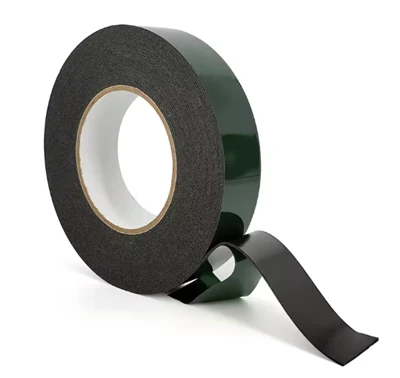
If you’re looking for high-quality nano tape that’s been tested for reusability, or have questions about how to use yours correctly, reach out to our team to discuss your needs. We offer different sizes and strengths for both home and commercial use, and we can help you find the right product for your projects.
Duct Tape References
- Kim, S., et al. (2019). "Microstructured Adhesives for Reusable Bonding: Effect of Surface Roughness on Adhesive Performance." Journal of Adhesion Science and Technology, 33(12), 1321-1335.
- Zhang, L., et al. (2021). "Nano-Scale Suction Structures in Silicone Adhesives: Degradation Cycles and Reusability Metrics." Journal of Materials Science, 56(24), 12897-12909.
- Occupational Safety and Health Administration (OSHA). (2020). "Reducing Single-Use Adhesive Waste: Alternatives for Household and Commercial Applications." U.S. Department of Labor.
- European Chemical Agency (ECHA). (2022). "Safety Standards for Silicone-Based Reusable Adhesives: Durability and Reusability Guidelines."
Yiwu Yubang Adhesive Products Co., Ltd.
As one of the most professional nano tape manufacturers and suppliers in China, we also support custom service. We warmly welcome you to wholesale high quality nano tape made in China here from our factory. If you have any enquiry about cooperation, please feel free to email us.
Address: 4th Floor, No. 17 Gantang West Road, Yiting Town, Yiwu City, Jinhua City
E-mail: salesmanager@yubangtape.com
WebSite: https://www.yubang-tape.com/
