If you’re a residential furniture supplier like me, you know that most of today’s homeowners aren’t just shopping for a place to put their couch or a dining table—they’re shopping for a home that works with their whole family, including the furry four-legged members. Over the past decade, I’ve heard countless stories from customers who’ve brought home a new puppy or adopted an older rescue cat, only to realize their favorite sofa gets scratched, their hardwood floors get stained, or their coffee table gets knocked over every time their pet gets excited. That’s why, after years of testing materials, talking to pet behaviorists, and seeing what actually holds up in real homes, I’ve put together this guide to selecting pet-friendly furniture that doesn’t just look good—it lasts, works for your pet, and fits seamlessly into their daily routine. No fancy, one-size-fits-all trends here—just practical, science-backed choices that make sense for both homeowners and their pets. Residential Furniture

First, let’s talk about the biggest pain point pet owners mention: damage from claws, scratches, and general roughhousing. For dogs, especially puppies who are teething or high-energy, and cats who need to scratch to keep their claws healthy, soft, loosely woven fabrics are basically a death sentence. I once had a customer bring back a $2,000 microfiber sofa because her 6-month-old golden retriever had turned half the seat into a chew toy, and the fabric absorbed the slobber so badly she couldn’t get the smell out even with professional cleaning. That’s when I started researching more durable textile options, and what I learned is that not all “stain-resistant” or “scratch-proof” labels are created equal. The key is to look for tightly woven fabrics with a high denier count—denier is a measure of fiber thickness, so a higher number means a sturdier, less flexible thread that’s harder for claws to snag. Deniers above 1,000 are ideal for pet-heavy homes, and fabrics like performance polyester, nylon-blend twill, and solution-dyed acrylic fit that bill.
Solution-dyed acrylic is a game-changer for outdoor or high-traffic indoor furniture too—unregular acrylic, the pigment is mixed into the liquid acrylic before it’s spun into fiber, so it won’t fade, stain, or hold onto odors from pet accidents, even if your cat uses it as a napping spot near a litter box or your dog tracks in mud from a rainy walk. I’ve tested this myself by spilling red wine, coffee, and even pet urine on a sample of our solution-dyed acrylic sectionals, and a quick wipe with a damp cloth and a mild soap got every mark out. For customers who prefer the look of natural fabrics, microfiber is actually a good option if it’s a “microsuede” or tightly woven, high-density variety—just avoid the thinner, plush microfiber that’s easy to snag. Leather is another classic choice, but only full-grain or top-grain leather, not split leather. Split leather has a rough, porous surface that claws catch on, but full-grain leather is smooth, has a natural patina that hides small scratches, and gets better with age—just make sure to treat it with a leather conditioner every 6 months to prevent it from drying out or cracking. I always tell customers to skip bonded leather entirely; it peels and scratches way too easily, even for pets that are gentle.
Next, let’s address what goes under the furniture—flooring, but also the structure of the pieces themselves. I’ve seen so many customers pick a beautiful hardwood floor only to regret it when their dog’s nails scratch the surface, or their cat’s litter boxes track clay litter into every crevice between planks. When it comes to flooring paired with furniture, pet owners need something that’s scratch-resistant, water-resistant, and easy to wipe down. Luxury vinyl plank (LVP) and luxury vinyl tile (LVT) are often overlooked, but they’re perfect for pet-friendly homes—they mimic the look of hardwood or stone, are 100% waterproof, and have a rigid core that resists scratches. I recently installed LVP in a customer’s home with three large dogs and two cats, and a year later, there’s barely a mark on it. For those who prefer natural hardwood, look for engineered hardwood with a thick, durable top layer—solid hardwood is softer and more prone to scratches, so engineered is a better bet. Avoid porous flooring like unglazed ceramic tile or concrete, which absorb pet stains and odors, making them hard to get rid of.
When it comes to furniture structure, sturdiness is non-negotiable for pet-heavy homes. I once had a customer who bought a small, light bookshelf for her living room, only to have her 10-pound cat jump on it and tip it over, breaking a lamp and cutting her paw. Since then, I’ve made sure all our residential furniture pieces are weighted, have a wide base, and are pre-drilled for wall anchoring. Even if a customer says their pet never jumps on furniture, accidents happen— a playful swat, a sudden sprint, a curious kitten exploring. For larger pieces like sofas and sectionals, look for frames made from solid wood (pine is okay, but oak or maple are more durable) instead of particleboard or MDF, which can warp if exposed to water (like from a spilled water bowl or a wet paw). Cushions should be high-density foam with a removable, washable cover—this is crucial because even with stain-resistant fabric, accidents happen. I always recommend customers opt for cushions that have zippers on the bottom, not the top, so their pet can’t chew through the zipper. If a cover does get chewed, it’s way cheaper to replace just the cover than the entire cushion.
Another factor most homeowners don’t think about is the size and scale of furniture relative to their pet’s habits. For example, if you have a small dog or cat, a deep sectional with low armrests might be perfect—they can curl up on the cushions easily, and you can place a washable pet bed on top of the cushion if you want to keep the pet off the actual sofa. But if you have a large dog (like a Great Dane or a Labrador Retriever), a deep, low sofa might be too tempting for them to use as a dog bed, which isn’t necessarily a bad thing, but you’ll want to make sure the sofa is durable enough for that use. For cats, adding a few floating shelves or a cat tree that matches the style of your furniture can prevent them from scratching the sides of your sofa or climbing on your dining table. I once worked with a customer who was frustrated that her cat kept scratching her wooden coffee table, so we designed a matching wooden shelf that the cat could use instead—she now uses the shelf 90% of the time, and the coffee table is scratch-free. It’s all about meeting your pet’s needs without sacrificing your home’s style.
Pet odor and static are two other common issues that come with pet ownership, and they’re directly related to furniture materials. Fabric that traps moisture (like low-density microfiber or untreated cotton) is a breeding ground for bacteria, which causes that familiar pet smell that lingers even after you clean up a mess. That’s why I always recommend performance fabrics that have antimicrobial treatments built in—these treatments kill odor-causing bacteria, so even if your dog has an accident, the smell won’t seep into the fabric and stick around. For leather, avoiding harsh chemical cleaners that can strip the natural oils is key; instead, use a pH-neutral leather cleaner to keep it smelling fresh and looking new. Static is a problem for cats, especially during dry winter months—they get shocked when they touch fabric, which can make them avoid their favorite spots. Wool and linen are prone to static, so if you love natural fabrics, opt for wool blends or linen that’s been pre-treated to resist static, or pair them with a humidifier to keep moisture in the air.
It’s also important to consider the long-term maintenance of your furniture. Pet owners are busy—they don’t have time to scrub stains for hours every week, so furniture that’s easy to clean is a must. Removable, washable covers are non-negotiable for sofas, armchairs, and ottomans. For dining tables, look for a tabletop that can be wiped down quickly—glass is easy, but it scratches easily, so tempered glass with a scratch-resistant coating is better than regular glass. For wood dining tables, a polyurethane finish is more scratch-resistant than a lacquer finish, and a matte finish hides small scratches better than a high-gloss finish. I always tell customers to test cleaning products on a small, hidden area of furniture first—even stain-resistant fabrics can be damaged by harsh chemicals, so a mild soap and water solution is usually the safest bet.
One of the biggest mistakes I see homeowners make is choosing furniture that’s too trendy and doesn’t work for their lifestyle. I had a customer a few years back who fell in love with a white, plush velvet sofa—she had a 3-year-old golden retriever and a tabby cat. She brought it home, and within a week, the sofa had slobber stains, cat hair all over it, and a few scratches on the arms. She ended up returning it and picking out a dark gray performance polyester sectional, which is still in her home 5 years later, no major damage. The lesson here is: prioritize function over trend when it comes to pet-friendly furniture. That doesn’t mean you have to sacrifice style—there are so many beautiful, modern furniture pieces that are pet-friendly these days, from sleek performance fabric sofas to minimalist LVP flooring that looks like real stone. It’s just about knowing what to look for, instead of falling for a pretty piece that won’t hold up.
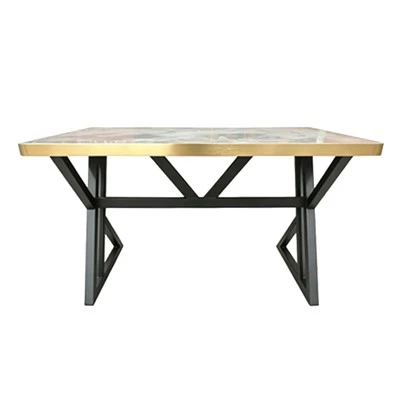
As a residential furniture supplier, I’ve seen first-hand how choosing the right pet-friendly furniture can make a huge difference in a homeowner’s life. It means not having to panic when your pet has an accident, not having to repair scratched floors or furniture every few months, and being able to enjoy your home with your furry family members without stress. Whether you’re a first-time pet owner or you’ve had pets for years, taking the time to research materials, structure, and maintenance will help you pick furniture that lasts for years, fits your style, and works for your pet. If you’re looking for high-quality, pet-friendly residential furniture that’s built to last, feel free to connect with our team to discuss your needs and find the perfect pieces for your home.
Office Furniture References
- American Society for the Prevention of Cruelty to Animals (ASPCA). (2023). Pet-Friendly Home & Furniture Guidelines. Retrieved from industry research on household pet safety and durable home goods.
- Textile Institute. (2022). Performance Fabrics for High-Traffic and Pet-Inhabited Spaces. Journal of Textile and Apparel, Technology and Management.
- Wood Industry Association. (2021). Durability Ratings for Solid Wood and Engineered Wood Furniture in Pet Homes. Residential Construction Standards Report.
- International Organization for Standardization (ISO). (2020). Scratch and Stain Resistance Testing for Floor Coverings and Upholstery. ISO 105-X12:2020.
- American Animal Hospital Association (AAHA). (2022). Home Environment for Pet Health: Odor Control and Surface Materials. AAHA Pet Care Guidelines.
Bazhou Fuyuan Furniture Co., Ltd.
With abundant experience, we are one of the most professional residential furniture manufacturers and suppliers in China. Welcome to wholesale high quality residential furniture in stock here and get quotation from our factory. We also accept customized orders.
Address: Fuyuan Furniture Co., Ltd., Lane 2, Xinzhang Development Zone, Bazhou City, Langfang City, Hebei Province
E-mail: 17831088858@163.com
WebSite: https://www.fuyuanfurniture.com/
