Hey everyone, if you’ve ever worked in metal fabrication, you’ve probably heard the term “quenching” thrown around like it’s some kind of secret sauce for making parts tough. But when it comes to brine quenching specifically—especially when it’s done in a proper quenching furnace—there’s way more to it than just dunking hot metal in salty water. I’m Jake, and I’ve been selling and supporting quenching furnaces for over a decade now, so I’ve sat through way too many shop floor debates about why brine works, when to use it, and why it’s not always the first pick. Let me break this down like I would for a new technician walking through my warehouse, no stuffy textbook jargon, just real talk about how this process actually works. Quenching Furnace
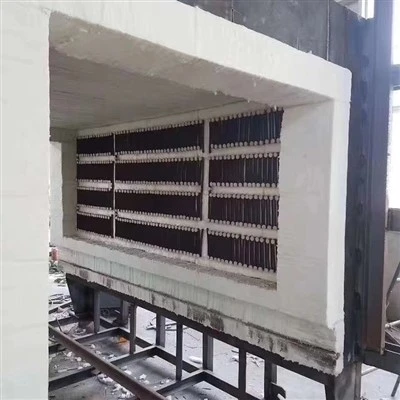
First, let’s start with the basics of quenching, okay? When you heat steel (or other ferrous metals) up to its critical temperature—like, way past the point where it’s all austenite, that crystalline structure that makes metal malleable to shape—you can’t just let it cool slow. Slow cooling gives you soft, flexible metal that’ll bend or break too easy. Quenching is that rapid cooling step that locks in a hard, strong structure called martensite. That’s the whole point, right? But not all quenchants are equal. Some use oil, some use polymer, some use water… and then there’s brine, which is basically saltwater.
Brine quenching is one of the oldest hardening tricks in the book, and it’s still my go-to for certain jobs because it cools way faster than plain water. Wait, why is that? Let’s get into the nitty-gritty of what happens when hot metal hits any liquid. First, right when the hot part touches the liquid, the liquid closest to the surface boils instantly. That creates a little vapor bubble layer that surrounds the metal—this is called the vapor blanket stage. If that blanket sticks around too long, it slows down cooling, and you get inconsistent hardness, maybe even soft spots where the blanket didn’t cover evenly. That’s why plain water can be hit or miss with thick parts: the vapor bubble lingers, especially in the middle of a big chunk.
But here’s where brine fixes that problem. The salt in the water (usually sodium chloride, same as table salt, though sometimes we use other salts depending on the metal) messes with that vapor blanket. When the hot steel hits the brine, the salt crystals react super quickly with the boiling liquid—they burst that vapor bubble before it can form a stable, insulating layer. Instead of a slow, sluggish cool, you get a way more aggressive, uniform heat pull out of the metal. That’s the magic of brine, at its core. No fancy tech, just salt doing what salt does best: breaking up bubbles.
Now, this is where my job as a quenching furnace supplier comes in. A lot of new shop owners think, “Hey, I’ll just dump a bucket of salt in my old water tank and call it a brine quench.” But that’s a recipe for disaster. The furnace is make-or-break here because you need precise control over two things: the temperature of the metal when it enters the quench, and the flow of the brine during the process. If your furnace heats the metal unevenly, you can’t expect the brine to cool it evenly. And if your quench tank isn’t recirculating the brine, the salt settles at the bottom, so the top of the part is in pure water and the bottom is in super-salty goop—total inconsistency.
Let me walk through a typical brine quenching process step by step, like I’d demo it for a customer. First, we load the parts into the furnace—could be automotive crankshafts, machine tool gears, whatever—they go on a rack so air can circulate around them evenly. We set the furnace to the exact critical temperature for the specific steel the part is made of; 1550°F to 1650°F is common for carbon steels, but alloy steels might need a bit higher. We track every part’s location in the furnace, too, because if one part’s 20°F cooler than the rest, it won’t harden right when it hits brine.
Once the parts are soaked at that temperature for the right time (enough time for the whole piece to hit the critical temp, not just the surface), the furnace’s quench transfer system kicks in. This is a specific part of the furnace setup—we don’t just yank the parts out by hand here. The transfer mechanism lowers the rack directly into the brine tank at a fixed speed, and the brine is constantly recirculated at a set flow rate. That recirculation is key because it keeps the salt concentration uniform and makes sure the brine is always in contact with the hot metal, not just sitting stagnant. The whole cooling step takes anywhere from a few seconds to a minute, depending on part thickness, and we can tweak the brine temperature too—usually between 60°F and 120°F, hotter brine cools a bit slower, colder is faster, but we have to watch for cracking if it’s too cold.
Now, why choose brine over other quenchants? Oil is gentler, so it’s good for thin parts where you don’t want cracking, but it’s way slower. Polymer quenchants are customizable, but they’re pricier and can break down over time. Brine? It’s cheap, it cools faster than both, and it’s perfect for thick carbon steel parts that need maximum hardness. The tradeoff is that fast cooling means there’s a higher risk of distortion or cracking if you don’t get the parameters right. That’s where a good quenching furnace comes in—we build ours to control the transfer speed, quench flow, and pre-heat of the brine so you don’t have to play guesswork and scrap parts.
I get so many questions from customers who tried brine on their old setup and ended up with messed up parts. “Why did my gears crack? Why is one side soft?” 9 times out of 10, it’s not the brine—it’s the furnace not heating evenly, or the quench transfer being too slow, or not recirculating the brine. Let’s say you have a 2-inch thick steel shaft, and you quench it in plain water. The surface cools super fast, but the core stays hot longer. That temperature difference between surface and core creates stress, which leads to cracking. With brine, you reduce that temperature difference because the vapor blanket is gone, so the whole part cools more evenly. But if your furnace is pulling the shaft out at a weird angle, so one side hits the brine half a second later, that’s enough to create stress. Our furnaces have guided transfer racks that lower the parts perfectly straight, no tilting, so every surface gets the same exposure.
Another big point: salt concentration. That’s not something you can ignore. If your brine is too weak, it doesn’t break the vapor blanket right, so you get plain water cooling. If it’s too strong, you can get even faster cooling that causes cracking. We calibrate our furnaces to work with brine solutions between 5% and 15% salt by weight, depending on the application. We also install salinity sensors in the quench tank, so the furnace automatically tops up salt or water if the concentration drifts. No more testing the water with a hydrometer every day and guessing—our setup does it for you.
Let me tell you about a customer I helped last year. They had a small machine shop making large gear blanks, and they were using a used furnace they bought online. They tried brine quenching, and half the parts were cracking, the other half had uneven hardness. They thought brine was bad, so they were thinking of switching to oil, which would’ve cost them way more in material and downtime. When they brought their parts to us, we ran a quick test on our demo furnace. Turns out their old furnace wasn’t heating the parts uniformly— the top shelf was 30°F hotter than the bottom. And their quench tank had no recirculation, so the salt settled, making the bottom half of the brine too salty. We adjusted our quenching furnace settings to account for their gear size, added recirculation to their tank, and the cracking stopped overnight, hardness was consistent across every part. That’s the difference between a cheap setup and a furnace built with actual process knowledge.
Wait, I should also mention post-quenching steps, because that ties into how brine works. After you quench with brine, parts are super hard but also super brittle—like, they’d snap if you dropped them. So you have to temper them right after quenching, usually in the same furnace, by heating them up to 300°F to 1200°F to take the edge off that brittleness. But if you do the quenching wrong, even tempering can’t fix a cracked part. That’s why we design our furnaces to have both quench and temper zones, so you don’t have to move parts around between different machines, which saves time and reduces handling damage.
A common myth I hear: brine quenching is only for old, low-tech processes. No way. We use brine all the time for high-precision parts in aerospace and heavy equipment. For example, the pins that hold bulldozer tracks together—they need to be rock-hard to wear for years, but not so brittle they snap when they hit a rock. Brine quenching, done right in a controlled furnace, gives them exactly that balance. The key is controlling every variable: heat uniformity, quench transfer speed, brine flow, salt concentration. A good quenching furnace doesn’t just heat metal up—it executes the entire quenching process so you get consistent, reliable parts.
I know a lot of shop owners are watching their budgets, and I get it—buying a new furnace is a big investment. But skimping on the control parts of the furnace when you’re using brine quenching is like buying a fancy sports car and putting cheap tires on it. It won’t perform, and you’ll crash more often. We don’t sell furnaces as one-size-fits-all, either. If you’re making small fasteners, we’ll size you down. If you’re making 10-inch thick steel plates, we’ll build a furnace with heavier transfer mechanisms and higher flow quench systems. We work with you to figure out what your parts need, not just push a model off the shelf.
Let me wrap this up, because I know you’re probably wondering how this applies to you, not just the science. At the end of the day, brine quenching works because salt breaks the insulating vapor blanket that slows cooling, leading to faster, more uniform hardening than plain water. But to make that work without scrapping parts or wasting money, you need a quenching furnace that controls every step of the process: heating the metal evenly, transferring it to the quench at the right speed, keeping the brine uniform, and letting you adjust parameters for your specific parts. I’ve been doing this long enough to know that the best quenching isn’t about the quench liquid—it’s about the equipment that makes that liquid work for you.
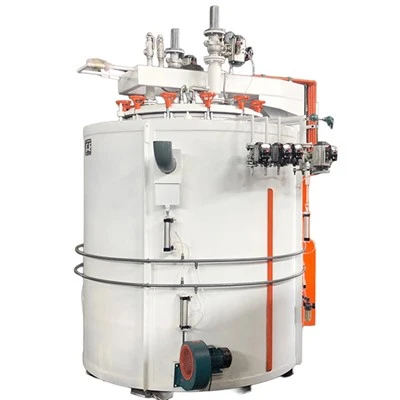
If you’re tired of inconsistent hardness, cracked parts, or spending too much on quenchants that don’t deliver, reach out to us. We don’t do generic sales pitches—we’ll walk your shop floor, look at your parts, and help you figure out if brine quenching is right for you, and which furnace setup will get you the results you want. No pressure, no jargon, just real solutions for real metalworking problems.
Car-Bottom Forging Furnace References
- ASM International. (2019). Quenching Theory and Technology (2nd ed.). Materials Park, OH: ASM International.
- Totten, G. E., & Bates, C. E. (1993). Quenching Theory and Practice. Marcel Dekker, Inc.
- Thelning, K. E. (1984). Steel and Its Heat Treatment. Butterworth-Heinemann.
- Brine Quenching Basics. (2021). Industrial Heating Magazine. Retrieved from industry trade materials on quenching process fundamentals.
Danyang Dingfeng Industrial Furnace Co., Ltd.
Danyang Dingfeng Industrial Furnace Co., Ltd. is one of the most experienced quenching furnace manufacturers and suppliers in China, also supports customized service with low price. Please feel free to wholesale high quality quenching furnace made in China here from our factory. For pricelist, contact us now.
Address: Lizhuang Economic Development Zone, Danyang City
E-mail: saleszk@dffurnace.com
WebSite: https://www.dffurnace.com/
