If you’ve ever stood next to a pipeline carrying high-pressure natural gas, superheated steam, or corrosive chemical fluids, you know how unforgiving industrial operating environments can be. The equipment holding that flow together—especially valves—carries the weight of entire production lines, and forged steel valves are among the most trusted pieces of that infrastructure. As a forged steel valves supplier, I get this question at least a dozen times a week: “What’s the real lifespan of a forged steel valve?” Forged Steel Valves
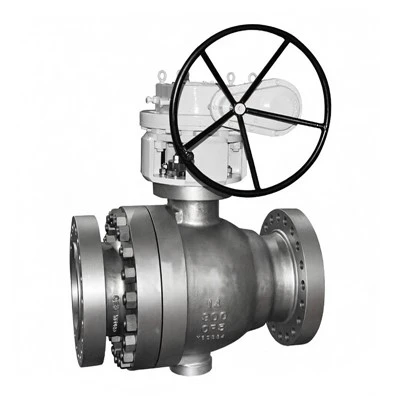
I’ve seen my fair share of valves. I’ve walked plant floors where a 1990s forged steel gate valve still opened and closed smoothly after 30 years of weekly use, and I’ve replaced another that failed after just seven years because of poor installation and unregulated operating conditions. The answer isn’t a one-size-fits-all number, but it’s rooted in material science, how the valve’s built, and how it’s used. Forged steel’s strength is a big reason these valves outlast their cast or fabricated counterparts, but their lifespan depends on more than just the raw metal in their body.
Let’s start with what makes forged steel unique, because that foundation shapes everything that comes after. Forged steel is made by heating a solid steel billet to extreme temperatures, then hammering or pressing it into shape under thousands of pounds of pressure. That process refines the steel’s grain structure, stretching and compressing it to eliminate internal voids, porosity, and weak spots that are common in cast steel, which is poured into a mold. The result is a valve body that’s 20-30% stronger than cast steel of the same thickness, with better resistance to stress cracking, impact, and thermal shock. That strength is non-negotiable for applications like power generation, oil and gas, and chemical processing, where valves handle pressures up to 10,000 PSI and temperatures ranging from cryogenic to 1,200°F.
But even the strongest forged steel won’t last forever if it’s not paired with the right internal parts. The valve’s trim—the moving components like the disc, stem, and seat rings—matters just as much as the body. A lot of budget valve manufacturers will cut corners on trim, using softer materials or thin coatings that wear out fast. At our facility, we machine trim from alloy steels like 410 stainless steel or 17-4 PH, then apply hardfacing coatings like Stellite to the seats and disc faces. That’s a difference that translates directly to lifespan: a valve with Stellite trim might last twice as long as one with a standard stainless steel trim, even if both are made from forged steel.
Now, back to the lifespan question. Industry data from the Valve Manufacturers Association (VMA) and decades of on-site experience tell us that a properly selected, installed, and maintained forged steel valve will typically last between 15 and 30 years in normal operating conditions. That’s a wide range, and here’s where context comes in. Let’s break down the factors that push a valve toward the lower end of that range or the higher one.
First, operating pressure and temperature. This is the single biggest variable. Valves that run consistently at 70-80% of their rated pressure and temperature will age far slower than those that operate near their maximum rating. For example, a forged steel globe valve rated for 600 PSI at 500°F will struggle if it’s constantly exposed to 550 PSI and 550°F—thermal expansion, pressure cycling, and material fatigue will wear down the stem and seat rings much faster. We had a customer in a refinery who installed 20 forged steel gate valves in 2005; within 10 years, 12 of them were failing because they were operating 10% above their rated pressure 24/7. When they swapped in valves rated for their actual operating conditions, those same valves are still going strong 18 years later.
Then there’s the type of service. A valve in a clean, steady flow of distilled water won’t experience the same wear as a valve handling abrasive slurry or corrosive acids. Slurry particles will etch away at the seat faces every time the valve opens and closes, leading to leakage within a few years. Corrosive fluids will slowly eat through even alloy steel, especially if the valve’s trim isn’t compatible with the chemical. That’s why matching the valve material to the service isn’t just a recommendation—it’s critical. For example, a forged steel valve made from F22 alloy steel works great for high-temperature steam, but it will corrode quickly in contact with hydrogen sulfide (H2S) unless it’s lined or made with a more resistant alloy like 316 stainless steel. Cycle frequency also plays a role. A valve that opens and closes once a day in a stationary pipeline will last far longer than one that cycles 10 times an hour in a loading terminal. Every cycle causes wear on the stem packing, seat rings, and disc, so high-cycle applications can cut lifespan in half, even for a well-built valve.
Installation is another make-or-break factor. I’ve seen perfectly good forged steel valves fail within a year because of shoddy installation. If the valve isn’t aligned properly with the pipeline flanges, the stress from misalignment will cause the body to crack over time. If the stem isn’t lubricated correctly, it will seize up, leading to forced operation that bends the stem or tears the seat. A common mistake is over-tightening the flange bolts, which compresses the valve body unevenly, warps the seat faces, and causes internal leakage. We always remind customers that proper installation isn’t extra work—it’s how you ensure your valve lives up to its potential.
Maintenance is the final piece of the puzzle. Valves don’t take care of themselves. Routine checks to replace worn stem packing, lubricate the stem, and inspect for corrosion or leakage can extend a valve’s lifespan by 50% or more. I visited a chemical plant last year where they had a 25-year-old forged steel ball valve that still operated flawlessly—they did quarterly inspections, replaced packing every two years, and cycled the valve once a month to prevent the stem from seizing. Contrast that with another plant I worked with, where they installed the same type of valve at the same time, never checked on it, and it failed after 8 years because the packing had worn out and leaked, corroding the stem.
It’s also important to talk about what “end of lifespan” looks like for a forged steel valve. It’s not just that the metal breaks— it’s when the valve can no longer hold the required pressure, or when it’s impossible to operate smoothly. A small amount of external leakage from stem packing is normal over time, but if internal leakage exceeds 10% of the valve’s rated capacity, or if the valve won’t fully open or close, it’s time to replace or rebuild it. The good news is that forged steel valves are often rebuildable, which can save money instead of buying a new one. Replacing the trim, packing, and stem of a well-maintained valve can extend its life another 10-15 years, instead of going through the full replacement cycle.
Now, let’s get specific with some real-world examples from the industries I work with every day. In power generation, forged steel valves handle superheated steam at up to 1,000°F and 1,500 PSI. A properly selected and maintained forged steel gate valve in a coal-fired power plant might last 20-25 years, while a valve in a natural gas power plant, which has less thermal stress, could last 25-30 years. In oil and gas, valves used in upstream drilling and production often see high pressure swings and corrosive fluids, so their lifespan is typically 10-20 years, while valves in midstream pipelines that handle steady, lower-pressure crude oil can last 20-25 years. Chemical processing has the widest range, depending on the fluid: a valve handling non-corrosive, clean water might last 25-30 years, while a valve handling strong acids will need replacement in 7-15 years, even if it’s forged from the right alloy.
I often get asked why forged steel valves last longer than other types. Cast steel valves, for example, are cheaper, but their grain structure is weaker, so they’re more prone to cracking under pressure or thermal shock. Fabricated steel valves, made by welding steel plates together, have weak points at the welds, which can fail under repeated stress. Forged steel’s grain structure is continuous, with no welds in the main body, so it distributes stress evenly, making it far more durable. That’s why even a forged steel valve that costs 20-30% more upfront will save you money in the long run, because it won’t need to be replaced as often.
Of course, no valve lasts forever, and there are exceptions. I’ve seen a forged steel valve fail in just two years after a nearby pipeline leak exposed it to hydrogen, which caused hydrogen embrittlement. I’ve also seen one last 40 years in a water pipeline where it was rarely cycled and perfectly maintained. Those exceptions are rare, but they’re a reminder that every valve is a product of its environment, not just its material.
If you’re trying to calculate the lifespan of your own forged steel valves, start with three questions: What are your operating conditions (pressure, temperature, fluid type)? How often will the valve cycle? How rigorous is your maintenance and inspection schedule? At the end of the day, the biggest mistake people make is treating forged steel valves as a commodity. A cheap, off-the-shelf valve might seem like a good deal initially, but if it’s not matched to your application or maintained properly, it will fail early, costing you downtime, repair fees, and even safety risks.
For context, our team has worked with hundreds of industrial facilities across the U.S. to select, install, and maintain forged steel valves, and the customers who follow our guidelines consistently get 20+ years of reliable service. We’ve seen plants reduce their valve replacement costs by 40% just by switching to properly sized forged steel valves and implementing a routine maintenance plan.
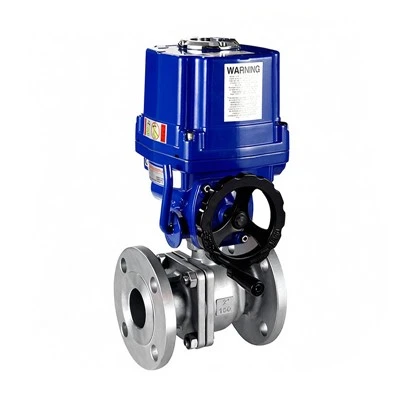
If you’re looking to get the most out of your forged steel valves, or you’re not sure if your current setup is right for your application, I’m here to help. We work with facilities of all sizes, from small chemical plants to large refineries, to specify valves that fit their operating needs, provide installation guidance, and offer maintenance support to extend their lifespan. Whether you’re replacing old valves or outfitting a new pipeline, taking the time to get the right product and care for it will pay off for years to come.
Ball Valve If you’d like to learn more about how forged steel valves can fit your operation, or discuss your specific needs, don’t hesitate to reach out to our team for a consultation.
References
- Valve Manufacturers Association. (2022). Industrial Forged Steel Valve Lifecycle Guidelines.
- ASME B16.34. (2021). Valves—Flanged, Threaded, and Welding End. American Society of Mechanical Engineers.
- API 600. (2020). Steel Gate Valves, Flanged and Welding End. American Petroleum Institute.
- Loadman, J. (2019). Forged Steel Valves: Material Properties and Service Life in High-Stakes Industrial Applications. Journal of Industrial Equipment and Infrastructure.
- National Association of Corrosion Engineers (NACE). (2021). Corrosion Resistance of Alloy Steels in Industrial Process Fluids.
Zhejiang Chenxiang Valve Co., Ltd.
We are one of the most professional forged steel valves manufacturers and suppliers in China, also support customized service. We warmly welcome you to wholesale high quality forged steel valves in stock here from our factory. If you have any enquiry about quotation, please feel free to email us.
Address: No. 126 Zhongxing Road, Wenzhou Industrial Park, Longwan District, Wenzhou City, Zhejiang Province
E-mail: vip@chenxiangvalve.com
WebSite: https://www.cxindustrialvalve.com/
