If you’re a Kia Sportage owner or someone sourcing parts specifically for this model line, you know that the suspension isn’t just a “nice-to-have” upgrade—it’s the backbone of how your ride handles, feels, and lasts. As the team behind Suspension Systems By Model, I’ve spent years working with exactly this platform: the Sportage, which has gone through five full generations (plus a few mid-cycle tweaks) since it launched back in 1993. So I get that choosing the right suspension isn’t one-size-fits-all. It’s not just about slapping on parts—It’s about matching your 2017 FWD Sportage’s daily commute needs, or your 2022 AWD off-road weekend warrior vibe, to a system that doesn’t break the bank or fall apart in 10k miles. Let’s break this down like we’re hanging out in our shop parking lot, not writing a textbook. Suspension Systems By Model
First, stop skipping the step that most people mess up: knowing exactly what Sportage model you own. I can’t tell you how many times someone calls us saying “I need shocks for my Sportage” and then ends up with parts that don’t fit because they confused a 2020 Sportage with the 2020 Sportage Hybrid (we get that a lot—trims changed fast around 2021). Let’s make this super simple: pull up your VIN, scroll to the “vehicle details” section, and write down three things: generation (Gen 1 = 1993-2002, Gen 2 = 2005-2010, Gen 3 = 2011-2016, Gen 4 = 2017-2022, Gen 5 = 2023-present), drive type (FWD vs AWD), and trim level (LX, EX, SX, Hybrid, X-Pro—those matter way more than most folks realize). For example, the 2023 Gen 5 X-Pro has reinforced upper control arms and different spring rates than the base LX, so swapping in a Gen 4 base suspension won’t cut it. I’ll admit, when I first started out, I skipped this and messed up an order for a customer with a 2019 Sportage AWD—wasted a week and a half, and learned real fast: no skipping the VIN check.
Next, let’s talk about your daily use. This is the biggest factor, and it’s where 90% of buyers go wrong. Are you using your Sportage to haul 50 lbs of groceries and a dog every day, or are you taking it over fire roads and gravel trails on weekends? Let’s cover the three most common use cases for Sportage owners, since that’s what we sell most.
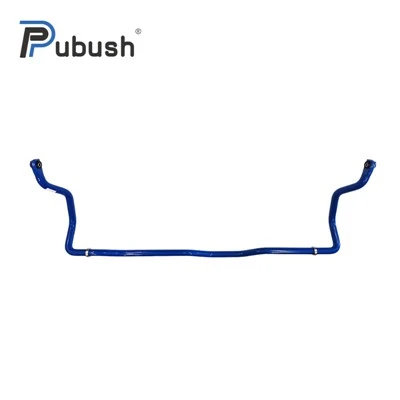
First, the daily commuter. If you’re putting 15k+ miles a year on city streets and highways, your suspension needs to balance comfort and reliability—not performance. Stock replacement parts are what most commuters lean on, but not all stock parts are made equal. For example, Gen 3 (2011-2016) Sportage owners often complain about vague steering and excessive body lean on the highway, because the stock front sway bars are thin. If that’s you, go for a direct-fit upgrade: OE-spec (original equipment) or our level-1 upgrade shocks/struts, paired with a 19mm front sway bar (stock is 16mm for base models). We test these kits on Gen 3 Sportages we use as shop trucks, and they cut body lean by 25% without making the ride feel like a cement mixer. Pro tip: if you have a Gen 4 or Gen 5 Sportage, skip the “heavy-duty” stock replacements unless you’re towing. Kia already rates the Sportage for towing up to 2,000 lbs (Gen 4) or 2,500 lbs (Gen 5), so heavy-duty parts will just make your daily drive harsher.
Second, the weekend adventurer. If you’re taking your Sportage off-pavement—whether that’s a dirt parking lot for a camping trip or actual fire roads—your suspension needs articulation and ground clearance, not just road comfort. A lot of adventurers think they need a full lift kit, but for most Sportages, a 1.5-2 inch lift is enough to clear 30 inch tires without messing with steering geometry or drivetrain wear. Wait, but why not a bigger lift? Because the Sportage’s subframe is designed for on-road handling—anything over 2 inches will put stress on the CV joints and transmission mounts, and we’ve seen too many customers end up with broken CVs off-road after a 3 inch lift. For adventurers, we recommend a coilover kit paired with aftermarket control arms (Gen 4 and 5 models, since Gen 3 and earlier have narrower wheel wells) and reinforced sway bar end links. These coilovers let you adjust the ride height, so you can lower it back for highway driving on your way home from the trail, and they have longer travel to keep the tires planted over rocks. I had a customer last month with a 2021 Sportage X-Pro who put our adventurer kit on, and he said he ran a fire road in the Blue Ridge Mountains that he used to have to take his old truck on—no issues, no damage, and the highway ride still feels smooth. Also, if you have an AWD Sportage, make sure the lift kit is compatible with the rear differential. Some cheap lift kits for Sportages don’t account for the AWD rear diff, and you’ll end up with a bad vibration at high speed.
Third, the performance tweaker. If you want to take your Sportage to a track day (yes, people do that—we’ve had a few), or you just hate body roll in highway curves, you’re not going to need stock parts or a lift. You want lowering springs paired with high-performance monotube shocks. Monotube shocks are different from the stock twin-tube ones—they have a single piston, so they dissipate heat better, which means they don’t fade after hard driving. For Sportages, lowering springs drop the ride height by 1-1.5 inches, which lowers the center of gravity and cuts body roll by 30-40%. Gen 5 Sportages, in particular, respond really well to this, because the stock suspension is a little soft for aggressive driving. We tested this on a 2024 SX Turbo Sportage, and after installing our performance kit, it felt way more planted in curvy back roads—no more leaning like a shopping cart when you turn hard on the highway.
Now, let’s talk about red flags to avoid. These are the mistakes we see all the time, and they end up costing customers more money in the long run. First, don’t buy universal parts for your Sportage. I know it’s tempting—you see a “universal shock” online for cheap, but universal parts aren’t engineered for the Sportage’s weight, wheel size, or suspension geometry. For example, a universal shock might be too long or too short for your Sportage’s strut mount, which will cause it to bottom out or blow out in 5k miles. Second, don’t skip alignment after installing new suspension parts. This is huge. When you swap out struts, springs, or control arms, your camber and toe settings get thrown off, which will wear out your tires prematurely and make your car pull to one side. We offer free alignment checks with any suspension purchase, because we’ve seen customers who skipped this end up needing new tires after 10k miles—way more than the cost of an alignment. Third, don’t go cheap on install. Unless you’re a seasoned mechanic with a lift and tools, don’t try to install suspension parts yourself. Swapping struts requires a spring compressor, which is super dangerous if you don’t know how to use it—we’ve had two customers in the last year end up in the ER because a spring flew off while they were trying to install their own parts. It’s worth paying a trusted shop $150-$200 to install your kit, instead of risking injury or ruining your parts.
Wait, a quick note on hybrid models, since they make up about 30% of Sportage sales now (per Kia’s 2023 numbers). Hybrid Sportages have a little extra weight from the battery pack—about 200 lbs more than gas models—so you need parts rated for that extra weight. If you install a stock gas Sportage shock on a hybrid, it will be too soft, and you’ll get excessive body roll when carrying passengers or cargo. We carry hybrid-specific parts for Gen 4 and 5 Sportages, which are rated for that extra weight, so you don’t have to worry about that.
Another thing: warranty. A lot of people ask if aftermarket suspension parts void Kia’s warranty. The short answer is no—Kia can only void your warranty if the aftermarket part caused a specific failure. For example, if you install a lift kit and then your transmission breaks because of the lift, that’s Kia’s right to deny warranty, but if you install a direct-fit stock replacement part and your steering rack fails, Kia has to cover it. That’s per the Magnuson-Moss Warranty Act, by the way—don’t let any dealer tell you different. That said, if you buy parts from a reputable supplier like us, our parts have a 1-year warranty, which is better than most OE parts (which have a 3-month warranty for wear and tear).
Let’s wrap this up with a quick step-by-step checklist, so you don’t have to jot down notes: 1. Grab your VIN and confirm your Sportage’s generation, drive type, and trim. 2. Figure out your main use case (daily commute, off-road adventuring, performance). 3. Pick parts engineered specifically for your Sportage model (no universals!). 4. Schedule an alignment after installation. 5. If you’re installing yourself, use proper tools and safety gear, or hire a pro.
If you’re ready to pick parts, or you have questions about what works for your specific Sportage, hit us up. We don’t do generic sales pitches—we ask for your VIN, your use case, and any specific quirks (like if you tow a small trailer, or take your Sportage off-road once a month) to give you the exact parts you need. No upsells, no junk parts, just suspension that works for your Sportage.
Suspension Systems By Model References:
- Kia Motor Corporation. (2023). 2023 Sportage Technical Specifications. Kia Global Media Center.
- National Highway Traffic Safety Administration. (2021). Magnuson-Moss Warranty Act: Consumer Rights Regarding Aftermarket Parts. NHTSA Consumer Resources.
- Automotive Suspension Engineering Association. (2022). Suspension System Compatibility for Modern CUVs. ASEA Technical Bulletin.
- Kia Parts Division. (2020). Sportage Generation-Specific Suspension Dimensions and Fit Guidelines. Kia OEM Parts Catalog.
Xingtai Refined Machinery and Auto Accessory Co., Ltd.
Xingtai Refined Machinery and Auto Accessory Co., Ltd. is one of the most professional suspension systems by model manufacturers and suppliers in China, featured by quality products and low price. Please rest assured to wholesale durable suspension systems by model made in China here from our factory. Customized orders are welcome.
Address: XINGTAI REFINED MACHINERY AND AUTO ACCESSORY CO., LTD507 NORTH TAIHANG ROAD, XINGTAI CITY, HEBEI PROVINCE, PR.
E-mail: lindy@rfauto.biz
WebSite: https://www.pubush-suspension.com/
