If you’ve ever stood in a convention center aisles during a trade show—shoulder to shoulder with hundreds of professionals, booths blaring music, flashing lights, and vendors yelling over the noise to grab your attention—you know the feeling: most booths blend into a monotonous blur. As a trade show booth systems supplier, I’ve sat across from dozens of clients who’ve left shows frustrated: they spent thousands on a booth that looked great on paper, but no one lingered longer than 30 seconds, and their lead list was thinner than a business card. Trade Show Booth Systems
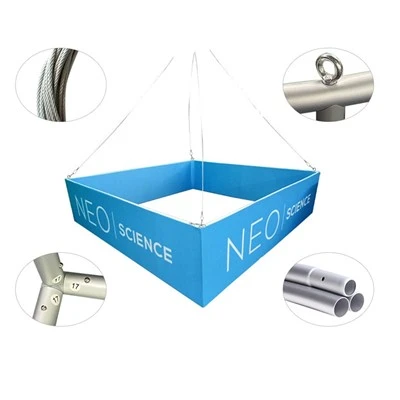
That’s why over the past seven years in this industry, I’ve stopped selling “booth systems” and started selling “engagement frameworks.” A booth isn’t just a structure to hang your logo or stack brochures—it’s a 10×10 (or 20×20, or whatever size) space to connect with people who have raised their hand and said, “I’m here to learn about what you do.” The difference between a booth that feels like a sales pitch and one that feels like a conversation lies in small, intentional choices that balance your brand goals with what attendees actually want from a show.
Let’s start with the biggest mistake I see new clients make: designing their booth around what they want to show, not what attendees want to do. For example, last quarter I worked with a industrial automation firm that bought a premium 20×20 booth system, built a massive wall of their product spec sheets, and placed a single sales rep behind a desk with a laptop. Their goal was to showcase their new line of robotic assembly arms—reasonable. But when they asked me to help them tweak their setup, we noticed that every attendee who walked in walked straight to the spec wall, read one paragraph, and left. They didn’t linger, they didn’t ask questions, and they certainly didn’t sign up for demos.
We reworked their booth system in two small ways that shifted everything. First, we moved the desk to the back of the booth, so the first thing attendees saw wasn’t a sales rep—it was a 4K interactive touchscreen mounted to the front of the booth’s modular wall, preloaded with a 60-second interactive video of a robotic arm working in a real factory, not a studio. Second, we added a “mini challenge” on that touchscreen: a 10-second game where attendees had to tap targets on the screen in the same pattern the robotic arm would. The prize? A $10 coffee gift card and a 15-minute on-demand demo with a product specialist. Within three hours of the show opening, they’d collected 47 demo sign-ups—more than they’d gotten all day at their last show with their old setup.
This isn’t a trick; it’s rooted in basic human behavior at trade shows. Attendees are exhausted, overstimulated, and bombarded with messages before they even walk through the front door of the convention center. They’re not here to be sales targets—they’re here to solve a problem or learn something that will make their job easier. A good booth system meets them where they are, doesn’t demand their time, and gives them a small, low-stakes reason to engage beyond a quick hello.
Another common pitfall is over-relying on flashy tech that doesn’t tie back to your brand. I’ve had clients beg for 360-degree video booths, AR filters that let attendees “try on” their product, and giant LED walls that play looping montages of their catalog. But I’ve seen those same booths be completely forgotten by attendees 10 minutes after the show ends, because the tech didn’t connect to what the company actually does. For example, a home security client once spent $12,000 on an LED wall that played generic footage of houses, but when we switched the display to a live feed from a demo security camera set up inside the booth, showing attendees who were standing in the “house” area whether the camera could catch a stuffed bear hiding in a corner, their engagement jumped 60% because it was tangible and tied directly to their product.
The key here is to tie every element of your booth system to a clear, measurable engagement goal. Before you design anything, ask yourself: What do I want someone to do after they leave this booth? Is it sign up for a demo? Download a whitepaper? Follow my LinkedIn? Refer a colleague? Every part of your booth—from the layout to the tech to the incentives—should support that one goal, not distract from it. If your goal is demo sign-ups, don’t waste space on a custom counter that can’t fit a tablet for sign-ups. If your goal is to collect quality leads, don’t offer a draw for a $500 gift card—most people will enter just for the chance, even if they have zero interest in your product.
One of the most underutilized elements of a booth system is modularity. Too many companies buy a booth that’s only good for one show: it’s too big for regional shows, too small for national ones, and impossible to repurpose. When we design booth systems for our clients, we build them to be adaptable, because flexibility is what keeps engagement high across different shows and different audiences. For example, a SaaS client of ours uses the same core modular wall system for all their shows. For a small local show, they shrink it to a 10×10 space, set up two tablet stations for a quick 5-minute product walkthrough, and offer branded stickers as a prize. For a national industry show, they expand it to 20×20, add a small stage for 15-minute live demos, and host a happy hour for attendees who sign up for full demos. The core system stays the same, but they swap out components to match the show’s audience and goals. This not only saves them money long-term, but it also means every show feels fresh, not like they’re running the same old pitch.
Layout is another make-or-break detail that almost no one gets right. I’ve seen booths where the entrance is blocked by a table of giveaways, or where the sales rep stands in the middle of the space, creating a physical barrier between themselves and attendees. The best booth layouts follow a simple rule: keep the entry and exit paths clear, and place your most engaging content at the front, where it’s easy to see. Think of your booth like a retail store: you walk in, see something that catches your eye, and move forward to interact with it, not turn around and walk out. For example, a medical device client recently told me their old booth had the product demos in the back corner, so attendees had to cross the entire booth to get there. We moved the demo station to the front right, and the rep desk to the back left. The number of attendees who stayed for a full demo tripled, because they could see what was happening as soon as they walked past the entrance.
Incentives are the final piece of the engagement puzzle, and they don’t have to be expensive. The best incentives are relevant, not random. A tech company giving away free phone chargers is nice, but a construction company giving away branded hard hats with their logo on them is more relevant—attendees will actually use them, so your brand stays top of mind long after the show ends. We’ve also found that interactive incentives work better than passive ones. A drawing for a free trip gets dozens of entries, but a game that lets attendees test your product and win a prize based on their performance gets better quality leads, because only people who are actually interested in what you do will take the time to play.
At the end of the day, a booth system that’s engaging isn’t about being the loudest or flashiest in the hall. It’s about being intentional: designing a space that respects attendees’ time, ties every element to your goals, and gives people a reason to stop, interact, and remember your brand long after the trade show ends.
If you’re tired of booths that blend into the background, or you’re planning your next show and want to design a space that actually drives meaningful connections, we can help. Our team works with businesses of all sizes to build custom, adaptable booth systems tailored to your specific goals and audience. We don’t just sell you a structure—we help you create a space that gets people talking, learning, and taking action.

We’d love to hear about your next trade show project and how we can support you.
Portable Pop‑up Fabric Light Boxes References
Berman, B. (2016). Principles of experiential marketing. Journal of Advertising Research.
Pine, B. J., & Gilmore, J. H. (1999). The Experience Economy: Work Is Theatre & Every Business a Stage. Harvard Business Review Press.
Smith, A. N., & Anderson, R. E. (2018). Attendee engagement at trade shows: The role of booth design and interactive technology. Journal of Business and Industrial Marketing.
Shanghai Soki Display Manufacture Co., Ltd.
With abundant experience, we are one of the most professional trade show booth systems manufacturers in China. Please feel free to wholesale premium trade show booth systems in stock here and get quotation from our factory. All customized products are with high quality and competitive price.
Address: Building 2, No. 215, Nandong Road, Luodian Town, Baoshan District, Shanghai
E-mail: info@sokidisplay.com
WebSite: https://www.sokidisplay.com/
