If you’ve ever stood in a packed theater, felt the rumble of a moving turntable shift an entire set piece seconds before a curtain rise, or watched a backdrop of a New York skyline glide silently into place mid-musical number, you’ve felt the work of stage mechanical equipment. As a supplier who’s spent 12 years walking riggers, house managers, and touring production crews through the ins and outs of these systems, I can tell you this: none of those seamless moments happen by accident. They happen because someone stuck to a maintenance schedule that’s tailored to how stage machinery actually works— not just the generic timelines you might find in a factory manual. Stage Mechanical Equipment
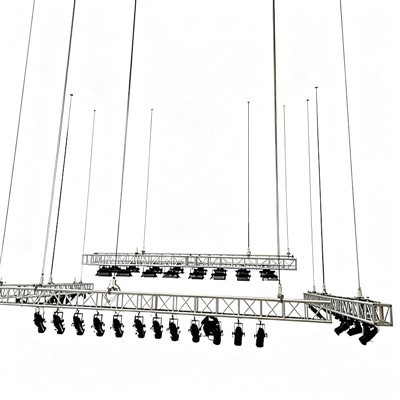
First, let’s clarify what we mean by stage mechanical equipment. This isn’t heavy industrial machinery. It’s the stuff that gets moved, tested, and strained for hours on end, often in environments that swing from frigid winter tour lots to sweltering summer amphitheaters. It includes hoists (the ones that lift a 500-pound chandelier for a ballet or a 20-foot LED screen for a concert), turntables, fly systems, stage lifts, and backdrop carriages. Each of these parts has different wear patterns, so their maintenance intervals can’t be one-size-fits-all. That’s a mistake I see new production managers make all the time: they grab a generic 90-day maintenance checklist from a Google search, skip the fine print, and end up with a broken lift mid-show. Trust me, that’s the kind of panic you don’t want to live through.
Let’s start with the most frequently used stage mechanical components: electric chain hoists, which are present in almost every theater and touring show I work with. These hoists run dozens of times a week in a busy venue— lifting set pieces, lowering lighting grids, moving props. For stationary theater systems (the kind that stay in one space year-round), I recommend a weekly visual check, a monthly functional test, and a quarterly full maintenance service. The weekly check is simple: just walk the floor, listen for unusual noises when the hoist turns on, check for frayed cables, and make sure the safety latch on the hook is working. Most riggers can knock this out in 15 minutes before the first rehearsal. The monthly functional test is a bit more involved: you lift a test load (usually 125% of the hoist’s rated capacity) for a full cycle, check the brake engagement, and make sure the limit switches are calibrated correctly. Quarterly, we send our certified technicians to disassemble the gear box, replace the chain lube, and inspect the motor’s brushes. That’s non-negotiable for stationary hoists.
For touring hoists, though, the intervals shift completely. Touring systems get loaded onto trucks, bounced down highways, set up in parking lots, and used 8 to 10 times a week during a run. That’s a lot more wear. For our touring clients, we mandate a pre-load inspection before every tour leg, a full deep service after every 10 performance days, and a mid-tour check at the halfway point of a 20-show run. Last year, a mid-sized production company I work with skipped the mid-tour check for their main stage turntable on a 40-city rock tour. On the 18th show, one of the drive belts snapped mid-number, and they had to rewrite the second act on the fly. That cost them $120,000 in lost ticket revenue, overtime for the crew, and a bad review from a local critic. It didn’t have to happen.
Next, let’s talk about fly systems— the pulleys and steel cables that raise and lower backdrops, curtains, and scenery flats. These are classic examples of underrated stage machinery. A fly system that’s out of adjustment can cause a backdrop to swing into the audience mid-scene, or fail to lower fast enough for a set change. For permanent counterweight fly systems in theaters, the intervals are a little different than hoists: monthly safety checks (balancing the arbors, inspecting for frayed lift lines), bi-annual structural inspections (checking the overhead steel beams the system hangs from, and the sheaves), and a full annual load test with the maximum weight capacity. I always tell our clients not to wait for a yearly inspection for fly systems— a broken lift line can be catastrophic, so the monthly checks by the in-house crew are critical. For automated fly systems (the motorized ones used in large touring shows or Broadway), the intervals mirror touring hoists: pre-leg inspections, bi-weekly functional tests, and a full service every 15 performances.
Stage lifts and turntables are another category entirely. These are the big, heavy-duty pieces that move entire sections of the stage, sometimes even performers. A hydraulic stage lift, for example, operates under extreme pressure every time it raises or lowers. For permanent hydraulic stage lifts, we recommend a weekly leak check (looking under the platform for any fluid drips), a monthly pressure test, and a quarterly filter and fluid change. Hydraulic fluid breaks down over time, and old fluid can cause the lift to stall mid-act. A few years ago, a regional theater called us out right before opening night because their lift was stuttering during previews. We found that their hydraulic fluid hadn’t been changed in 4 years, and the filter was clogged. We swapped it out in 3 hours, and they opened on time.
For turntables, which are often used for large ensemble numbers or set transitions, the maintenance depends on their usage. A turntable used once a week for a small community theater production might only need an annual inspection, but a turntable used multiple times a week for a touring arena show needs a weekly check of its drive gears, a monthly alignment check to make sure it’s rotating evenly, and a full gear lube service every 20 performances. Last year, I worked with a Broadway show that had a 20-foot turntable used for 10 minutes every performance. They stuck to a monthly alignment check, and when we came in to do their annual service, we noticed one of the drive motors was running hotter than it should. We replaced it before it failed, and they didn’t miss a single performance over the course of that run. That’s the benefit of sticking to consistent intervals— catching small issues before they become big, expensive problems.
A lot of new production managers ask me, “Why can’t we just extend these intervals to save time and money?” The answer is simple: stage machinery operates in high-stakes, time-sensitive environments. You don’t have a spare two hours to fix a broken part mid-show. The interval guidelines aren’t arbitrary— they’re based on thousands of hours of data from shows all over the world. When we design a stage mechanical system for a client, we include a custom maintenance schedule tailored to their venue size, type of shows they produce, and usage frequency. That’s a free service we offer to all our clients, because we know that proper maintenance is the only way to keep their shows running smoothly.
One thing I always emphasize is that maintenance isn’t just for the big, expensive pieces like hoists and turntables. Small components are just as important. For example, the limit switches on hoists— those are the parts that stop the hoist from lifting too high or lowering too far. If a limit switch fails, the hoist can run into the overhead structure, causing hundreds of dollars in damage to the machinery and the set. We recommend testing limit switches every week, as part of the weekly visual check. Another small part: the safety latches on hoist hooks. Those should be checked every single time the hoist is used, because a loose latch can cause a set piece to fall. I’ve seen that happen, and it’s never pretty. It doesn’t matter if your hoist is brand new— if you skip checking the small, critical safety components, you’re setting yourself up for disaster.
Environmental factors also play a big role in maintenance intervals, and that’s something many clients forget. A venue in a dry, dusty desert will have different needs than a theater in a humid coastal city. Dust can get into gear boxes, causing friction and premature wear. Humidity can cause rust on steel cables and pulley sheaves. For clients in harsh environments, we shorten all intervals by about 25%. For example, a theater in Miami with high humidity will do monthly gear checks instead of quarterly, and replace hydraulic fluid twice a year instead of once. That adjustment might seem small, but it makes a huge difference in the lifespan of the equipment.
I’ve worked with hundreds of production teams over the years, and I’ve seen both sides: teams that stick to a consistent maintenance schedule, and teams that wait until something breaks to fix it. The difference is night and day. The teams that plan ahead don’t have to cancel shows, don’t have to pay overtime for last-minute repairs, and don’t have to deal with the stress of a mid-show breakdown. For example, a long-time client of ours, a major regional theater in Chicago, has a full-time maintenance crew that follows our schedule exactly. They’ve had only one minor breakdown in 8 years, and it was a simple loose bolt that their weekly check caught. The teams that wait to fix problems? They’re the ones calling us at 2 a.m. on a Saturday before opening night, panicking because their turntable won’t turn or their fly line snapped.
So, what’s the bottom line here? The maintenance intervals for stage mechanical equipment aren’t one-size-fits-all. They depend on the type of equipment, how often it’s used, the environment it’s in, and the safety standards you need to maintain. For stationary theater systems: weekly visual checks, monthly functional tests, quarterly deep services, bi-annual structural inspections, and annual load tests. For touring systems: pre-leg inspections, bi-weekly performance checks, mid-tour deep services, and full end-of-run overhauls. And don’t forget the small components— safety latches, limit switches, cables, and gears— they deserve just as much attention as the big, flashy pieces.
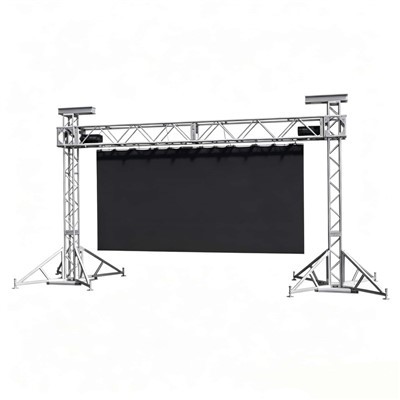
If you’re a theater manager, touring production coordinator, or someone in charge of stage machinery, I know you have a lot on your plate. Juggling schedules, budgets, and creative demands is hard enough without adding maintenance panic to your list. That’s why we’re here: we don’t just sell stage mechanical equipment. We provide ongoing support, custom maintenance schedules, and certified technicians who know this stuff inside and out. Whether you need help setting up a new system, updating your existing maintenance plan, or responding to an unexpected issue, we’re available 24/7 to help. Don’t wait until your next breakdown to reach out. Contact our team today to discuss your specific needs and how we can help keep your shows running smoothly, safely, and on schedule.
Stage Curtains References
- National Stage Contractors Association. (2021). Recommended Maintenance Guidelines for Stage Mechanical Equipment.
- Entertainment Services and Technology Association. (2022). ANSI E1.5: Standard for Stage Machinery Safety.
- International Association of Venue Managers. (2023). Maintenance Best Practices for Live Performance Facilities.
- Stage Rigging Technicians Association. (2020). Touring Stage Machinery Inspection and Service Protocols.
- Occupational Safety and Health Administration. (2022). Safety Standards for Powered Industrial Trucks and Hoists in Theaters.
JIANGSU HONGBO STAGE EQUIPMENT SCIENCE AND TECHNOLOGY CO., LTD.
As one of the most professional stage mechanical equipment manufacturers and suppliers in China, we’re featured by quality products and good price. Please rest assured to wholesale bulk advanced stage mechanical equipment for sale here and get quotation from our factory. Customized orders are welcome.
Address: Dasi Industrial Park, Gaogang District, Taizhou City, Jiangsu Province
E-mail: hongbowutai@gmail.com
WebSite: https://www.hbstageequipment.com/
