If you’ve spent any time navigating the world of weight management, plant-based eating, or peptide therapy, you’ve probably run into a lot of mixed messages. For years, I’ve worked as a weight loss peptide supplier, and one of the most common questions I get from clients who follow plant-based diets is this: Can these peptides work for me, or do I have to adjust how I eat—and what about the dietary restrictions of a plant-based lifestyle? Weight Loss Peptide
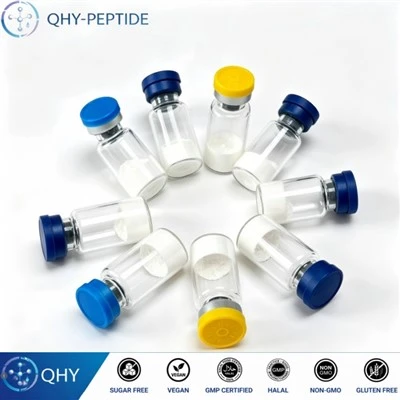
Let’s start with the basics to clear up confusion. Weight loss peptides are small proteins that act as signaling molecules in the body, regulating everything from hunger and satiety to metabolism and fat storage. Some of the most widely used ones include GLP-1 agonists, which mimic a natural hormone that slows digestion and reduces appetite, and peptides like CJC-1295 or Ipamorelin, which support growth hormone levels that play a role in body composition.
Plant-based diets, on the other hand, exclude all animal products—meat, dairy, eggs, and often even honey. Many people follow this diet for ethical, environmental, or health reasons, and when they’re focused on weight loss, they’re looking for tools that align with their food choices, not against them. That’s where the disconnect comes in: a lot of older sources will tell you peptides are tied to animal-derived ingredients, but that’s simply not the case.
First, let’s address a common myth: weight loss peptides themselves are not animal-based. The peptides used in clinical and therapeutic settings are synthesized in labs using recombinant DNA technology, not extracted from animal tissues. That means the end product is a pure, protein-based molecule that has no connection to animal products at all. For a plant-based eater, that’s a key point—there’s no hidden ingredient here that would violate dietary rules.
But wait, you might be thinking—what about how plant-based eating interacts with how these peptides work in the body? Let’s get into the science here, because that’s where a lot of misinformation spreads. When you’re on a plant-based diet, your body’s metabolism, hunger hormones, and even gut function work a little differently than someone who eats animal products. For example, plant-based eaters often have higher fiber intake, which affects how quickly food moves through the gut—and that can amplify the effects of peptides like GLP-1 agonists, which slow digestion. More fiber means more steady absorption, so the peptide’s appetite-suppressing effects last longer, not shorter.
Another point: amino acid intake, which is the building block of peptides. Plant-based diets require intentional planning to get all nine essential amino acids, since plant proteins are often incomplete. But here’s the thing—most therapeutic weight loss peptides are made of non-essential amino acids, or combinations that can be synthesized by the body even if your diet is slightly low in one or two plant-based amino acids. Peptides like Ipamorelin, for example, are made of just five amino acids, all of which the human body can produce on its own, so a gap in your plant-based protein intake won’t impact how the peptide functions.
That said, there are some considerations for plant-based eaters who are using weight loss peptides, and as a supplier, I always make sure to walk clients through these to avoid frustration. One big one is nutrient absorption. Plant-based diets can sometimes lead to lower levels of certain vitamins and minerals, like B12, iron, or zinc, which play a role in hormone regulation and metabolism. If your body is deficient in these, even a peptide that works well on its own might be less effective. The fix here is simple: adjust your plant-based diet to include fortified foods or supplements to cover those gaps, so your body can process the peptide as intended.
Another consideration is gut health, which is linked to both plant-based diets and weight loss peptide effectiveness. Plant-based diets are naturally high in prebiotic fibers that feed good gut bacteria, which is a win for overall health, but some plant-based eaters might experience digestive bloating or irregularity when they first switch to a high-fiber diet. If that’s the case, it can temporarily reduce how well your body absorbs the peptide. I recommend easing into a high-fiber plant-based diet slowly, adding fermented plant foods like sauerkraut or kimchi to support gut function, which in turn helps with peptide absorption.
Now, let’s talk about results. I’ve worked with dozens of plant-based clients over the years who have seen great success with weight loss peptides, as long as they paired them with their plant-based diets in the right way. One client, a vegan runner in her 30s, told me she’d struggled with midsection weight gain despite strict plant-based eating and consistent exercise, and after working with a provider to adjust her peptide dose to fit her fiber-heavy diet, she lost 18 pounds in three months and kept most of it off. Another client, a vegetarian in his 50s, used a combination of a GLP-1 peptide and a plant-based protein powder to preserve muscle while losing fat, which is a common goal for older adults.
That’s another key point: weight loss isn’t just about losing pounds—it’s about losing fat while preserving muscle, which is crucial for long-term metabolism. Peptides like Ipamorelin are especially good for this, and when you pair that with a plant-based diet that’s high in protein and low in processed sugars, you get a perfect balance. The plant protein helps repair muscle after workouts, and the peptide supports the body’s ability to burn fat instead of muscle.
Of course, I’m not here to sell you a one-size-fits-all solution. There are things you need to do right to make this work, and that starts with working with a healthcare provider who understands both weight loss peptides and plant-based nutrition. As a supplier, I always direct clients to consult with a medical professional before starting any peptide regimen, because the right dose and type of peptide depend on your individual health goals, current diet, and any existing conditions.
Let’s also address a common fear: that peptides will make you “unhealthy” if you’re on a plant-based diet. That’s not true when used as directed. When paired with a balanced plant-based diet, peptides can actually support better nutrient absorption, more stable energy levels, and healthier body composition. For example, plant-based diets are great for heart health, but some people struggle with high blood sugar spikes from processed plant foods like white bread or pastries. Peptides like GLP-1 agonists help regulate blood sugar, so combining that with a whole-food plant-based diet can lead to even better heart health outcomes.
Now, if you’re a plant-based eater who’s curious about trying weight loss peptides, here’s what you need to know from someone who’s been in this industry for years. First, don’t let anyone tell you peptides are off-limits because of your diet. The peptides themselves are lab-synthesized, so they don’t contain any animal products. Second, be intentional about your plant-based nutrition: make sure you’re getting enough protein, B12, and iron, because these nutrients support how the peptide works. Third, work with a healthcare provider to tailor the regimen to your needs—someone who can adjust the dose if you have a very high-fiber diet, for example, to make sure the peptide is absorbed properly.
At the end of the day, the question isn’t “Can weight loss peptides be used in a plant-based diet?” The answer is yes—when used correctly, they can be a powerful tool to help you reach your weight and health goals while sticking to your food choices. For too long, weight management tools have been targeted toward people who eat animal products, but the industry is shifting, and more and more plant-based clients are finding success with peptides that fit their lifestyle.
If you’re a plant-based eater interested in exploring weight loss peptides, or if you have questions about how to integrate them with your diet, I’m here to help. I’ve worked with clients of all dietary backgrounds for years, and I can provide you with accurate, science-based information about peptide options, how they interact with plant-based nutrition, and next steps to get started. There’s no need to feel like your diet is a barrier to effective weight management—with the right approach, peptides and plant-based eating can work hand in hand.
To discuss your individual needs, connect with me to learn more about our range of weight loss peptides and how they can align with your plant-based diet goals.
Weight Loss Peptide References
- National Institute of Diabetes and Digestive and Kidney Diseases. (2023). Plant-Based Diets and Weight Management. U.S. Department of Health and Human Services.
- Deacon, C. F. (2022). GLP-1 Receptor Agonists: Mechanisms of Action and Clinical Applications. Nature Reviews Endocrinology.
- American Dietetic Association. (2021). Position of the American Dietetic Association: Vegetarian Diets. Journal of the Academy of Nutrition and Dietetics.
- Bowman, J. L., et al. (2020). Peptide Therapy for Metabolic Health: A Review of Current Evidence. Journal of Clinical Endocrinology and Metabolism.
- Cani, P. D., et al. (2019). Gut Microbiota, Fiber, and Health: A Review of the Evidence. Gut Microbes.
QHY Bioengineering Co., Ltd.
QHY Bioengineering Co., Ltd. is one of the most professional weight loss peptide manufacturers and suppliers in China. Please feel free to wholesale advanced weight loss peptide made in China here from our factory. All customized products are with high quality and competitive price. Contact us for pricelist and free sample.
Address: Luoyang City, Henan Province, P.R.China
E-mail: manager1@qhy-bioengineering.com
WebSite: https://www.qhy-bioengineering.com/
