Hey everyone, let’s cut to the chase – if you’ve ever stared at a casual polo shirt rack and wondered, “do these things actually come in different fabric weights?” you’re not alone. As someone who’s been in the casual polo shirt supplier game for over 10 years, I get this question every single week, usually from guys who’ve bought a $15 polo that turned see-through after one wash, or a fancy $80 one that feels like wearing a sleeping bag in 70°F weather. Today, I’m pulling back the curtain on fabric weights, why they matter, and how we actually use this at our shop to make stuff that doesn’t suck. Casual Polo Shirt

First off, let’s keep this real – fabric weight isn’t some fancy industry secret. It’s just a way to measure how heavy a square meter of that polo fabric is, usually in grams (GSM, short for grams per square meter) or ounces. For casual polos, most brands stick to 150 GSM up to 300 GSM, but trust me, not all GSM is created equal. I’ve seen “200 GSM” polos that feel way thicker than another “200 GSM” pair, because that number only tells part of the story. There’s yarn count, weave, even how the fabric’s finished after it’s made, all that stuff can tweak the feel way more than the GSM alone.
Let’s break down the main weights we work with, since that’s what most of our customers (retailers, small boutique owners, even folks buying bulk for their team) actually care about. Starting with the light end: 150 to 180 GSM. These are the “everyday, year-round lightweight” polos. We use these for our super popular summer line, obviously – they breathe like crazy, don’t stick to your back when you’re running errands or chilling at a BBQ, and they pack into your gym bag without taking up much space. I once had a customer tell me he buys these for his construction crew because even after 8 hours on a worksite in Texas heat, he’s not dripping through the back. The catch? These aren’t for cold weather. If you throw one on in 40°F weather, you’ll be shivering. They’re also way easier to snag on a fence or a rough backpack strap, so if you need a durable work polo, this isn’t it. That said, we do a thin interlock for these, not a cheap single jersey, which is why ours don’t go see-through when you bend over. I’ve had competitors send over samples that say 160 GSM but are basically tissue paper, so we test every single batch before it hits the shelves.
Next up is the middle sweet spot, which is 190 to 240 GSM. This is like the Swiss Army knife of casual polos. It’s not too hot, not too flimsy, works for spring, fall, and even mild winter if you layer under a blazer. We use 210 GSM a lot for our basic black and white polos because they hold their shape way better than the lightweight ones – no weird stretching out at the shoulders after 5 washes, and the collar stays crisp for weeks. A lot of our office wear customers go for this weight too, because it looks polished enough for a casual Friday but still feels comfortable enough to wear through happy hour. I remember a boutique owner in Portland ordering 500 of these last year specifically for their bar staff – she said they didn’t complain about being too hot when they’re wiping down the bar and too cold when they’re taking breaks outside. The only downside here? They’re not perfect for heavy work, like if you’re lifting boxes all day, but for most casual settings, this is the go-to.
Then the heavyweights, which are 250 to 300 GSM. These are the “solid, substantial” polos. We call these our “heavy interlock” line, and they’re made for people who hate when their polo feels like a t-shirt. They don’t stretch out at all, the collar stays sharp for months, and they feel warm enough to wear alone when it’s in the 50s. I’ve had guys tell me these are their “go-to” for fall dates and weekend hikes – they’re comfortable, but they look way more put-together than a regular tee. A lot of our team bulk orders this weight too, especially for winter. The catch? They’re not great for super hot weather. I once tested one in 80°F weather and was sweating through the front within an hour, so we only push these for mid-season. Also, they’re a little stiffer when you first get them – they break in after 2 or 3 wears, and they get softer as they go, which is actually a plus if you hate that brand-new stiff fabric feel.
Wait, but let’s talk about why this actually makes a difference for people buying polos, not just us as suppliers. I see so many people just grab the first polo they see with a “heavyweight” label, and it’s garbage, because they don’t know that weave and yarn matter more than the number. For example, single jersey vs. interlock – interlock is a double knit, so it’s thicker and doesn’t twist like single jersey, even at the same GSM. That’s why our 150 GSM interlock feels better than a competitor’s 180 GSM single jersey. Also, ring-spun cotton vs. regular cotton – ring-spun is twisted tighter, so it’s softer and more durable, even at lower GSM. We only use 100% ring-spun cotton for all our polos, by the way – no synthetic blends, because they don’t breathe as well, and they pill like crazy after a few washes.
Another thing that’s huge for bulk buyers, which a lot of our customers are? The weight affects shrinkage. I mentioned earlier that lightweight polos snag easier, but they also shrink more if you dry them on high heat. Our middle and heavyweight polos have a pre-shrunk finish, so you don’t have to worry about them shrinking 2 sizes if you toss them in the dryer. The lightweight ones, we actually tell our customers to line dry or tumble dry on low, because they do have a little more give in the fabric. That’s a tip I wish more people knew – so many guys get mad that their new polo fits wrong after one wash, and it’s almost always because they dried it wrong, not because the fabric is bad.
Let me also be real about common myths here. A lot of people think “thicker = better,” but that’s not true. If you’re buying a polo for a beach trip, a 250 GSM heavyweight is just going to make you miserable. You need that lightweight breathability. Conversely, if you’re buying a polo for a wedding guest outfit, a 150 GSM one will look too cheap – the middle weight gives that crisp, polished look without being too stuffy. It’s all about what you’re using it for.
As a supplier, we actually work with our clients to pick the right weight, not just push whatever’s cheapest. If a small boutique owner is ordering for their summer line, we’ll recommend the 150-180 GSM. If they’re doing a fall work uniform for a landscaping company, we’ll go with 210 GSM because it holds up to dirt and abrasion. We even do custom blends sometimes – like a 220 GSM with a tiny bit of spandex for guys who want a little stretch without losing the structure. We don’t just send a generic sample and say “here you go.” We test fabrics, wash them multiple times, check for pilling, stretch, breathability, before we even put our name on it. I’ve turned down orders before because the only fabric they had available was a 200 GSM that was super flimsy and would fall apart after 5 washes – it’s not worth our reputation, and it’s not worth our customers’ money.
Wait, let’s talk about a recent example that shows how this works. Last month, a corporate client came to us because their previous polo supplier was sending them polos that were all the same weight, no matter what season it was. Their sales team complained that they were too hot in summer and too cold in winter. So we split their order: 40% lightweight for summer, 40% middle weight for spring/fall, 20% heavyweight for winter. They emailed us a month later saying their team’s complaints dropped by like 80%, and sales were up because the polos actually fit their needs. That’s the stuff that matters, right? Not just slapping a “casual polo” label on something, but matching the fabric weight to what people actually use it for.
Another thing I get asked all the time: do different brands label fabric weights differently? Absolutely. One brand’s “heavyweight” could be 220 GSM, another’s is 280 GSM. That’s why GSM isn’t a universal number – you have to test. When I’m sourcing fabrics, I always get swatches, weigh them myself, feel them, wash them, before I commit. I once got a swatch from a supplier that said 250 GSM, and when I weighed it, it was only 210 – total bait and switch. That’s why for our customers, we always include the actual GSM, weave, and yarn type on our product specs, no hidden numbers. We don’t want people guessing.
So to wrap this up, yes, casual polo shirts definitely come in different fabric weights, and that difference matters more than most people realize. It’s not just a random number – it affects how the shirt feels, how it wears, how it fits, and even how long it lasts. The next time you’re shopping for a polo, skip the flimsy cheap ones, check the specs, and think about what you’re actually going to use it for.
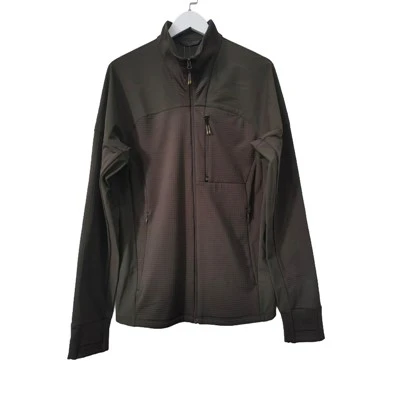
If you’re a retailer looking for a reliable casual polo shirt supplier, or a business needing bulk polos for your team, we’ve got you covered. We’ve got all the different weights we talked about, in tons of colors, and we’re happy to help you pick exactly what works for your needs. Hit us up to chat through your order and get the best polos that actually fit your requirements.
References
Knit And Woven Garments Textile Institute. (2020). Fabric Weight and Its Impact on Apparel Performance. Journal of Textile and Apparel Technology and Management.
Cotton Incorporated. (2021). Performance Characteristics of Ring-Spun Cotton Knit Fabrics. Apparel Research Report.
Occupational Safety and Health Administration. (2022). Work Apparel Guidelines for Thermal Comfort. OSHA Technical Manual.
Yancheng Dezhiwang Garments Co., Ltd.
As one of the most professional casual polo shirt manufacturers and suppliers in China, we also support customized service. We warmly welcome you to wholesale bulk high quality casual polo shirt in stock here from our factory. For price consultation, contact us.
Address: No. 1, Xinglong Road, Xinqiao Village, Fucheng Subdistrict, Funing County, Yancheng City, Jiangsu Province, China
E-mail: ntchenguangxi@163.com
WebSite: https://www.dzwoutdoor.com/
