If you’ve ever stared at a shelf of tapes at a hardware store, trying to figure out which one to grab for a weekend paint job or a quick home fix, you’ve probably wondered: what’s the actual difference between masking tape and painter’s tape? I get it—when I was a new adhesive tape supplier (back when I was still testing every roll in my garage, no less), I mixed these two up so bad that I once ruined a living room wall by peeling off way too much paint. Yeah, that was a chaotic Saturday. Now that I’ve spent years talking to DIYers, professional painters, and handymen every single day, I can break this down way simpler than any old product manual. Let’s cut through the jargon, okay? Adhesive Tapes
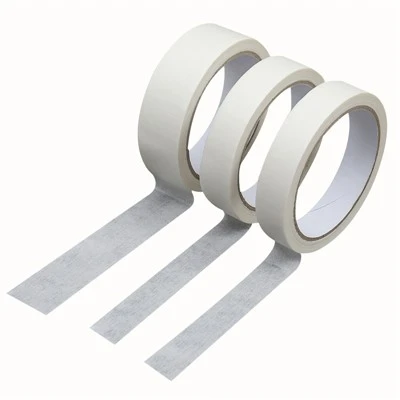
First, let’s start with the “regular” masking tape. I know what you’re thinking—isn’t masking tape just the basic stuff? For the most part, yeah. It’s the roll you might grab last minute when you need to hold a poster up or tape a loose box closed. But here’s the thing: most cheap masking tape is made with a thin, lightweight paper backing (usually not even coated with anything special) and a low-tack rubber-based adhesive. That “low-tack” part sounds fancy, but it just means the glue isn’t super strong—intentionally. The idea is that it sticks well enough to hold things in place, but comes off without leaving a sticky gunk all over. Wait, but why do so many people have horror stories about masking tape leaving residue? Because not all masking tape is created equal. If you buy the dollar-store bulk roll, it’s only meant for short-term use—like a few days max. Leave it on longer than that, especially in hot or sunny areas, and that glue will turn into a mess. I once helped a lady take down Christmas lights that she’d taped to her siding with generic masking tape, and she had to scrub for an hour to get the goop off. That’s not the tape’s fault, really—it’s just not designed for longer jobs.
Now, painter’s tape. A lot of people call it “fancy masking tape” online, but that’s a lazy way to put it, and it does a disservice to how much work goes into making it. The biggest difference is in two places: the backing and the adhesive. First, the paper backing on painter’s tape is thicker, and it’s treated with a special coating that makes it water-resistant. Why does that matter? Because if you’re painting, you’re probably using wet paint—latex, acrylic, whatever. Generic masking tape will soak up that wet paint like a sponge, and bleed under the edges. That’s how you end up with a wobbly line where your wall meets your trim, or paint on your baseboards. Painter’s tape repels that wet paint, so it stays tight to the surface.
Then there’s the adhesive. This is the secret sauce, y’all. Painter’s tape uses an acrylic-based adhesive instead of rubber. The acrylic glue sticks way better to smooth surfaces—wood, metal, tile, even pre-painted walls—but it only sticks at the exact amount of tack you need, depending on how long you plan to leave it on. Most painter’s tape is rated for 14 days, some even more, before you peel it. That’s a huge upgrade from generic masking tape, which might start falling off after 24 hours if it’s even a little warm outside. Also, the tack is matched to the surface: if you’re taping delicate wallpaper, there’s painter’s tape specifically for that with ultra-low tack that won’t tear the paper when you take it off. Generic masking tape? It’s too harsh for that—you’ll pull half the wallpaper off with it.
Wait, but let’s talk about common mistakes people make with both tapes. I see this all the time: DIYers grab painter’s tape for a quick, small job and think they wasted money, or grab masking tape for a big paint project and end up regretting it. Let’s test some real-life scenarios. Say you’re hanging a poster in your dorm for a week. Generic masking tape works perfectly—cheap, easy to take off, no mess. But if you’re repainting your bedroom and you need crisp lines between the wall and the ceiling trim? Painter’s tape is non-negotiable. I had a pro painter come to my shop last month and tell me he once used generic masking tape for a bathroom paint job and had to redo the entire trim because the tape bled so bad. He brought a picture of the mess to show me—looking back, I still laugh a little, but I felt bad for him.
Another big point: surface prep. Generic masking tape will work on almost any surface, but it’s hit or miss on porous ones like drywall or concrete. Painter’s tape is designed to adhere to those porous surfaces without leaving residue, as long as you apply it correctly. Pro tip: always apply painter’s tape to a clean, dry surface. If there’s dust or paint chips on the trim, the tape won’t stick right, and you’ll get bleed-through. I see people skip that step all the time, and it makes the tape not work as well as it should.
Wait, what about outdoor use? If you’re doing a deck or a fence, which one do you use? For short-term outdoor use (like a few days) to hold boards in place, generic masking tape is fine, but if you’re painting an outdoor fence and need to keep lines crisp, painter’s tape that’s rated for outdoor use is the way to go. Generic masking tape will peel off in the rain after a few hours, trust me. I learned that when I tested a roll on my backyard fence last summer—by the next morning, half the tape was gone, and I had to reapply it.
Let’s get into the techy stuff a little, but keep it real. The paper on masking tape has a tensile strength that’s pretty low—meaning it will tear if you pull it too tight, especially when it’s wet. Painter’s tape’s paper is much more tear-resistant, so when you’re pulling it to apply it straight along a trim line, it won’t snap mid-job. That might sound small, but when you’re halfway through a room and you have to grab a new roll because your old one tore? It’s annoying.
Also, adhesive residue. This is the biggest complaint I hear. Generic masking tape is way more likely to leave that sticky goop because the rubber adhesive breaks down over time, especially when exposed to temperature changes. Acrylic adhesive in painter’s tape is much more stable—it doesn’t break down as easily, so when you peel it off, it comes off clean, no scrubbing needed. I have a test I do at the shop every week: I apply a 2-inch strip of both tapes to a painted wall, leave it for 10 days, then peel it off. Every single time, the painter’s tape leaves zero residue, and the generic masking tape leaves a noticeable sticky mark that I have to wipe off with rubbing alcohol. That’s not a sales trick—that’s just science, and it’s easy to test at home if you want.
Wait, but here’s a question I get all the time: can I use painter’s tape for small jobs? Yeah, sure. It’s just a little more expensive than generic masking tape, so if you’re only using it for a poster or a quick fix, it’s not the most cost-effective. But if you already have a roll of painter’s tape lying around, it’s not going to damage anything. Conversely, can I use generic masking tape for a paint job? Only if you don’t care about crisp lines or cleaning up residue afterward. I wouldn’t recommend it for any project where you want it to look professional, but for a quick touch-up, it’s manageable.
Let me also address some myths I see online. A lot of people say “painter’s tape is just higher-quality masking tape” and that’s partially true, but not entirely. It’s a whole different product line, designed for specific use cases. Another myth: “all painter’s tape is the same.” Nope. There’s tape for delicate surfaces, tape for exterior use, tape for super high-tack jobs (like heavy trim), and even tape for automotive paint jobs. I once had a car painter come in asking for tape that wouldn’t stick to the clear coat, and regular painter’s tape wouldn’t work—we had to get a specialized acrylic tape for that. That’s how specific these tapes can get.
As a supplier, I always make sure my customers know which tape is right for them, not just sell them the most expensive one. I’ve had people come in panicking because they bought painter’s tape and it’s “too sticky” for their window trim, and I can tell them to grab the ultra-low-tack painter’s tape that’s made for delicate surfaces. It’s not that the original tape was bad—it just wasn’t the right fit for their job. That’s the thing I love about my work: I get to help people avoid those messy mistakes I made early on, like ruining that living room wall.
Let’s wrap this up with a quick cheat sheet, because I know you don’t want to read another paragraph of my rambling (even though I love talking about tapes). Generic masking tape: for short-term use (up to 3 days), low-tack rubber adhesive, thin paper, prone to bleed and residue only use for small, temporary jobs. Painter’s tape: for longer use (up to 14+ days), water-resistant paper, acrylic adhesive, low bleed, low residue, use for painting, trim work, delicate surfaces, outdoor projects.
Mounting Tape If you’re still not sure which one you need, or you’re working on a bigger project and want to make sure you get the right tape, hit me up. I’m here to help you not make the same mistakes I did. No matter if you’re a DIYer doing your first bedroom paint job or a pro needing bulk rolls for a commercial project, I’ve got you covered. Don’t hesitate to reach out if you have questions or want to place an order—I’m always here to chat about tapes, even if you just want to vent about a past tape disaster.
References
- Adhesive & Sealant Council. (2022). Specialty Tapes for Construction and Home Improvement. Industry Best Practices.
- Paint Quality Institute. (2021). Guide to Painter’s Tape Selection and Application. Residential Painting Standards.
- ASTM International. (2020). Standard Test Methods for Adhesion and Tack of Pressure-Sensitive Tapes. Designation D3330/D3330M.
- Construction Fasteners and Tools. (2023). Masking vs. Painter’s Tape: A Practical Comparison for Contractors and DIYers.
Yiwu Yubang Adhesive Products Co., Ltd.
As one of the most professional adhesive tapes manufacturers and suppliers in China, we also support custom service. We warmly welcome you to wholesale high quality adhesive tapes made in China here from our factory. If you have any enquiry about cooperation, please feel free to email us.
Address: 4th Floor, No. 17 Gantang West Road, Yiting Town, Yiwu City, Jinhua City
E-mail: salesmanager@yubangtape.com
WebSite: https://www.yubang-tape.com/
