Hey there, I’m [Your Name] from a medical injection mold supplier, and I get this question all the time: Can medical injection molds actually make disposable products? Let’s cut through the confusion—no stuffy jargon, no overcomplicated explanations, just real talk from someone who’s been in the game for 12 years, watching these molds turn raw plastic into everything from single-use syringes to IV catheters. Medical Injection Mold
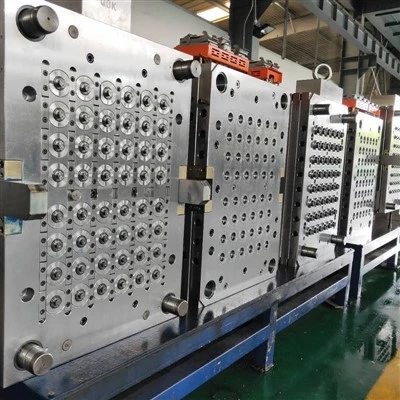
First off, let’s clarify what we mean here. When people say “disposable medical products,” they’re talking about stuff designed to be used once, tossed, and never reused—things that stop cross-contamination, keep patients safe, and meet strict global standards. Medical injection molds are the tools we design and build to shape that plastic into those exact parts. So yes, they absolutely produce disposable medical products—let me walk you through why that’s not just possible, it’s how 90% of single-use med devices get made these days.
Let’s start with the basics of how these molds work, because that’s where the magic (and the safety) happens. A medical injection mold is a precision-made two-part tool—one half is the core, the other is the cavity. We melt medical-grade plastic (think PP, ABS, or COP, not the cheap stuff you’d use for a kids’ toy) and inject it into the mold under high pressure. Once it cools, you pop the part out, and that’s your disposable component. The key here is that these molds are built specifically for high-volume, repeatable production—perfect for disposable items that need to be made by the millions, not the hundreds. For example, a mold for a single-use insulin pen needle hub might have 16 cavities, so we can make 16 needle hubs every shot. That’s the scale disposable med devices need, and that’s exactly what medical injection molds deliver.
Now, let’s get into the “why” that makes this setup so smart for disposables. First, cleanliness. Disposable med products can’t have leftover bacteria or chemical residues from previous uses, and medical injection molds are built to handle that. We use materials like P20 steel or S136 stainless steel for our molds—S136 is super corrosion-resistant, so you can sanitize it over and over with autoclaving, hydrogen peroxide, or whatever the client’s process is. No rust, no weird gunk building up, which is non-negotiable for disposables that go inside or near a patient’s body. I’ve seen clients try to use off-the-shelf molds for disposable parts, and they run into issues—they can’t get the same tight tolerances, so the part has flash (extra plastic bits) that can flake off into a drug or the patient’s vein. Our custom medical molds are machined to tolerances of 0.001 inches—thinner than a human hair—so every part is identical, no defects, no cross-contamination. That’s make-or-break for disposable products that are meant to be used once, no exceptions.
Another big point: traceability. Disposable medical products have to meet FDA, ISO 13485, CE, whatever standard the market requires. Medical injection molds are built with that traceability in mind. We etch lot numbers or unique identifiers right into the mold, so every part that comes out has that number marked on it. If there’s ever a recall (knock on wood), you can track exactly which mold, which run, which batch of plastic made that faulty part. That’s way harder to do with other manufacturing methods, like 3D printing for low-volume parts, but 3D printing isn’t built for the millions of disposable masks or syringes hospitals need. Medical molds handle that volume like a champ—we’ve got a client that makes 50 million single-use IV catheters a year, and they use 8-cavity molds running 24/7 to hit that number. No other method could keep up with that, not at the cost that hospitals can afford.
Wait, but let’s address the elephant in the room: are there limits? Yeah, of course. Medical injection molds aren’t for every disposable product out there. For example, if you need a super low-volume disposable device—like a new type of surgical instrument only being tested in 100 prototypes—you probably don’t need a custom medical mold (they cost some money to make, right? Not the cheapest upfront). But once a product is approved and ramping up to full production, that’s when you switch to injection molding. Also, some disposable products have complex parts—like a syringe with a plunger, a barrel, a flange, a needle hub—all made from different materials. Medical molds can be multi-component, so you can inject two different plastics in one shot, no assembly needed. That cuts down on labor, which is huge for disposables that have to be priced affordably for clinics in low-income areas, too. I’ve worked on a mold that makes a single-use nasal spray actuator—one mold, two shots, different materials, no extra steps. The parts come out ready to package, that’s the efficiency you need for disposables.
Let me also talk about recent changes in the industry, because that’s why this question is even coming up more now. Post-pandemic, demand for single-use med products exploded—masks, test swabs, syringes, all that stuff. Medical injection molds were the backbone of that surge. A lot of mold suppliers, including mine, had to ramp up production of multi-cavity molds just to keep up. We saw some competitors cut corners on mold quality back then, though—making molds with cheap steel, tight tolerances off—resulting in parts that were defective, got stuck in packaging, or had contamination issues. That’s why it’s important to work with a supplier that knows the medical space, not just general plastic molding. Because for disposables, one bad part can harm a patient, get a product recalled, and cost everyone millions.
Another angle: sustainability. Wait, I know disposables get a bad rap for plastic waste, but modern medical injection molds are helping here, too. Because we make parts so precisely, there’s way less plastic waste. When you have a mold that’s aligned right, the flash is minimal—like less than 0.005 inches—so you’re not melting tons of extra plastic that gets scraped off and thrown away. Also, a lot of clients are switching to bio-based plastics for disposables, like PLA or PHA, and medical molds can be adjusted to handle those materials too. We’ve built molds that process plant-based plastic for single-use wound dressings and pill organizers, so even the disposable part is better for the planet, and the mold makes that possible. That’s a win-win for everyone.
Let’s use a real example to make this concrete. Last year, we worked with a startup that made a new single-use blood glucose test lancet. The lancet has a tiny, sharp needle, a plastic housing, and a protective cap—all disposable, all need to be sterile, and consistent enough so every stick is the same depth. The client started with 3D printed prototypes, but once they got FDA clearance to go to full production, they came to us. We built a 12-cavity medical injection mold, made from S136 steel, with a vented design so no air bubbles get trapped in the tiny lancet parts. The parts come out, get packed in sterile blister packs, and they make 30 million a year now. Without that mold, they couldn’t hit the cost or volume hospitals need. That’s exactly what I’m talking about—medical injection molds producing life-saving disposable products.
Now, I know some people might push back and say “why not reuse molds for non-disposables?” And that’s true—molds can be used for years, for durable products like knee implants or diagnostic tools that you use multiple times. But disposable products are designed to be one-and-done, so the mold is built for high-volume, short-run (relative to the product’s lifecycle) production. A mold for a single-use syringe might be cycled 10 million times before it needs to be polished or replaced, which is perfect because that’s how many syringes a major hospital network goes through in a year. No need for a permanent, heavy-duty mold when you’re making parts that get tossed after one use.
I also want to mention the regulatory side because, as a medical mold supplier, that’s non-negotiable. Every mold we build comes with a complete master file—design drawings, material certificates, process logs, everything the FDA or ISO inspectors will ask for. For disposable products, the entire production chain has to be auditable, and the mold is the first link in that chain. If you use a general-purpose mold that wasn’t built to medical standards, you can’t get your product approved. So that’s another big reason medical injection molds are the only way to go for disposable med devices.
Look, I’ve been doing this long enough to see trends come and go. Disposable medical products aren’t going anywhere—they’re better for patients, easier to sanitize, and more reliable than reusable alternatives in most cases. And medical injection molds are the unsung heroes making them at scale, safely, and affordably. There’s no other manufacturing method that can do that for millions of identical, sterile, single-use parts. 3D printing works for prototypes, manual assembly works for tiny runs, but when you need a product that will be used in a clinic or hospital every single day, injection molding is the standard.
If you’re a product developer, a device manufacturer, someone who’s looking to make a disposable medical product and you’re wondering what kind of mold you need—hit me up. I can walk you through the process, from prototype to full production, talk about material options, tolerance requirements, whatever you need. We don’t do one-size-fits-all here, every client’s disposable product is different, so every mold we build is custom to their specs. No vague sales pitches, no jargon, just real answers from someone who’s been in the trenches, fixing mold issues, helping clients get their products to market fast.

So yeah, to circle back to the original question: Can medical injection molds produce disposable products? Absolutely. They do it every single day, for billions of parts around the world, keeping patients safe, cutting down on cross-contamination, and making the medical devices we rely on every day affordable. If you’re working on a new disposable med product, don’t guess on your mold supplier—reach out, and let’s figure out the best solution for you.
PET Preform Mold References:
- ISO 13485:2016, Medical devices – Quality management systems – Requirements for regulatory purposes
- U.S. Food and Drug Administration (FDA), Guidance for Industry: Sterile Medical Devices
- Society of Plastics Engineers (SPE), Medical Plastics Division, Injection Molding Best Practices for Medical Disposable Devices
Taizhou Koni Mould Co., Ltd.
As one of the most professional medical injection mold manufacturers and suppliers in China, we also support customized service. Please feel free to wholesale high quality medical injection mold made in China here from our factory. For pricelist, contact us now.
Address: No. 97 Jinju Road, Chengjiang Subdistrict, Huangyan District, Taizhou City, Zhejiang Province
E-mail: kn@kenimould.com
WebSite: https://www.kenimouid.com/
