When you’re flipping through a recipe that calls for garlic flakes, it’s easy to reach for the shaker and pour without thinking—after all, garlic’s such a staple, right? I’ve seen it a hundred times: a home cook grabs a jar of garlic flakes, dumps a handful into a sauce that’s supposed to be subtle, and ends up with a dish that tastes like someone crushed a clove and tossed it in unceremoniously. As someone who’s spent the last 12 years working directly with garlic flakes, first as a line cook testing menu items and now as part of a team supplying high-quality dehydrated garlic, I’m here to tell you that “the right amount” isn’t a guess—it’s a mix of science, context, and understanding what garlic flakes actually bring to a recipe. Garlic Flakes
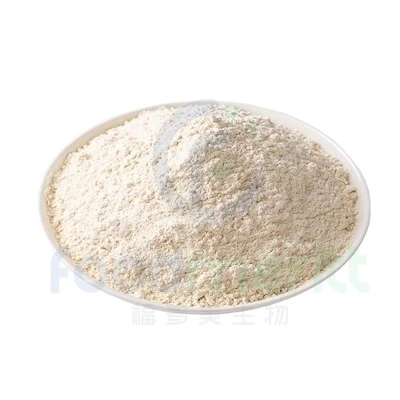
Let’s start with the basics: what are garlic flakes, anyway? They’re whole garlic cloves peeled, sliced thin, and dehydrated at low heat to lock in flavor without the sharpness of raw garlic, or the soft, buttery texture of fresh roasted garlic. Unlike garlic powder, which is ground into fine particles that dissolve almost immediately, flakes rehydrate over time, so their impact builds as your dish cooks. That slow release is exactly why getting the quantity wrong can throw a whole meal off. Too few, and you get no depth; too many, and they turn into chewy, overpowering bits that ruin soups, stir-fries, or pasta sauces.
First, you need to match your garlic flake amount to the recipe’s type. This is the single biggest mistake I see home cooks make: using the same measurement for a quick stir-fry as they would for a slow-simmered marinara. Let’s break it down by common recipe categories, using actual testing I’ve done in our test kitchen and with chefs who rely on our flakes regularly.
For quick-cooking dishes—think stir-fries, sautéed vegetables, or pan sauces that only cook for 5 to 10 minutes—garlic flakes need to be measured more conservatively. Because they don’t have time to fully rehydrate and mellow, their dry, pungent flavor stays front and center. For a stir-fry for two, I use ½ to ¾ of a teaspoon of garlic flakes. Compare that to fresh garlic, which is usually 1 clove per person for stir-fries; garlic flakes are about one-third as potent as raw garlic, so that math checks out. If you use more than that, you’ll end up with tiny, tough bits of garlic that don’t soften, and they’ll taste harsh instead of aromatic.
Slow-cooking dishes, on the other hand, are where garlic flakes shine, and where you can use more. Soups, braises, marinades that sit for hours, or slow-simmered pasta sauces give flakes time to rehydrate, infuse their flavor into the liquid, and take on a soft, savory texture. For a pot of tomato soup that simmers for 45 minutes, I recommend 1 to 1 ½ teaspoons of garlic flakes for a standard 6-quart batch. For braised pork shoulder or beef stew that cooks for 3 hours, go a step higher: 1 ½ to 2 teaspoons per 4 servings. The slow heat breaks down the cell walls in the flakes, releasing the milder, sweeter compounds that make garlic such a versatile flavor base.
Then there are baked goods and spice blends, which are a whole separate category. Garlic flakes add a crunchy, aromatic kick to breads, crackers, or homemade dry rubs. In a herb bread recipe, 1 teaspoon per loaf is perfect—enough to cut through the richness of the dough without overpowering the other flavors. For a dry rub for ribs or chicken, 2 teaspoons per ¼ cup of rub ingredients is the sweet spot; again, bake time here is usually 30 to 60 minutes, so the flakes will rehydrate just enough to add depth, not chew.
But measurement isn’t just about teaspoons. Fresh garlic and garlic flakes have a conversion ratio that’s critical to know, and it’s not a 1:1 swap. I see this constantly: a home cook uses 1 clove of fresh garlic and the same amount of flakes, and wonders why their dish is too garlicky. Let’s get this ratio straight, from years of testing: 1 medium fresh garlic clove (about ¼ teaspoon minced) equals approximately ⅛ to ¼ teaspoon of garlic flakes. That means if a recipe calls for 4 cloves of garlic, you’re looking at ½ to 1 teaspoon of flakes. If you swap that wrong, you’re either shortchanging the flavor or drowning it out.
Wait, but not all garlic flakes are the same. That’s where being a supplier gives me an edge I don’t think home cooks consider. The way garlic is sliced, dehydrated, and processed changes its potency. For example, thin, uniform slices of garlic, dehydrated at 110°F (43°C) to preserve enzymes, have a milder, more consistent flavor than thicker slices or flakes that were dehydrated at higher heat (which can burn the surface and create a bitter aftertaste). We test every batch of our flakes by rehydrating them in water and tasting, so we know exactly how much to recommend. If your flakes are darker, or have a stale, bitter smell, they’re older or processed poorly, and you’ll need to reduce the amount by 25% to avoid an off flavor.
Another factor: the dish’s other ingredients. Garlic cuts through rich, fatty flavors, so in a dish with lots of cream, butter, or meat, you can add a little extra. A creamy alfredo sauce, for example, can handle 1 ½ teaspoons of garlic flakes, versus a light vinaigrette, where ¼ teaspoon is enough. In dishes with strong, pungent ingredients like blue cheese, kimchi, or black pepper, you’ll also want to scale back—let the other stars shine, instead of letting garlic overpower them. On the flip side, if a recipe is mild, like vegetable soup or mashed potatoes, you can push the upper limit of the recommended amount to add depth.
I also have a pro tip for home cooks who want to adjust on the fly: test the flavor before adding more. If you’re making a slow-simmered sauce, wait 10 minutes after adding the garlic flakes, then take a small spoonful and taste. If it feels bland, add ¼ teaspoon more, stir, and wait another 5 minutes. Garlic’s flavor develops, so a little extra early on will only get stronger as the dish cooks. For quick dishes, add a pinch of flakes at a time, since there’s no time for the flavor to mellow.
One common myth I want to bust: more garlic equals better flavor. That’s just not true. Garlic’s compounds—allicin, which gives it that sharp taste, and alliin, which is mild and savory—balance out at a certain point. Too many flakes, and allicin becomes too concentrated, leading to a burning aftertaste that lingers. I’ve had chefs come to us frustrated because their pastas tasted “off,” only to discover they’d used three times the recommended amount of flakes. It’s not about quantity; it’s about how the garlic interacts with the other ingredients and the cooking time.
Let’s walk through a real example to make this concrete. Say you’re making a marinara sauce for 4 people, simmers for 1 hour, and calls for 8 cloves of fresh garlic. Using the ratio we talked about, that’s 1 to 2 teaspoons of garlic flakes. If you use 1 ½ teaspoons, that’s perfect: it will rehydrate, blend with the tomatoes and herbs, and add a subtle depth instead of chewy garlic bits. If you’d used 8 teaspoons (way too much), you’d end up with a sauce that’s so garlicky it makes your eyes water, with flakes that don’t soften.
What about for people who love a strong garlic flavor? If you’re a garlic lover, you can go up to 20% more than the recommended amount, but adjust for the recipe type. For a slow-cooked stew, that would be 1 ¾ to 2 teaspoons, but for a quick stir-fry, stick to ½ teaspoon max—no exceptions, because there’s no time for the flavor to mellow.
I also recommend keeping your garlic flakes fresh, because old, stale flakes will change the amount you need. Garlic flakes should be stored in an airtight container in a cool, dark place, away from moisture and heat. If your flakes are more than 6 months old, their potency drops by about 30%, so you’ll need to adjust your measurement up slightly. We print a “freshness date” on every jar we supply, so you know exactly how long your flakes will stay at their best.
At the end of the day, the right amount of garlic flakes is a balance of three things: the cooking time of your dish, the conversion ratio from fresh garlic, and the quality of your flakes. It’s not a one-size-fits-all number, but a flexible guideline that works when you understand what garlic flakes are bringing to the table.

If you’re a chef, a home cook, or someone who works with garlic flakes regularly, and you’re looking for consistent, high-quality garlic flakes that let you nail that perfect amount every time, reach out to our team to discuss your specific needs. We work with everything from small home kitchen batches to large commercial restaurant orders, and we’re happy to share custom recommendations based on your recipes and cooking style. Whether you’re testing a new menu item or tweaking a family favorite, we can help you get the garlic flavor just right.
Black Garlic References:
- Food and Agriculture Organization of the United Nations. (2019). Dehydrated Fruits and Vegetables: Production, Processing, and Nutrition.
- Institute of Food Technologists. (2021). Flavor Development in Dehydrated Allium Species.
- Journal of Culinary Science & Technology. (2020). Ingredient Conversion Ratios for Fresh versus Dehydrated Garlic in Commercial Menu Development.
- US Department of Agriculture. (2022). Nutrient Content of Fresh and Dehydrated Garlic Products.
Jiangsu Foodmeritt Biotech Inc.
Jiangsu Foodmeritt Biotech Inc. is one of the most professional garlic flakes manufacturers and suppliers in China, featured by high quality customized products. Please rest assured to wholesale bulk BRC approved garlic flakes from our factory. Welcome to contact us for quotation.
Address: No.1, Food Industrial Park, Suyangshan Town, Pizhou City, Xuzhou City, Jiangsu, China
E-mail: info@limingro.com
WebSite: https://www.foodmeritt.org/
