When I first started getting questions about satin blankets from our customers, I’ll admit I jumped to the same conclusion most people do: satin must be slippery, right? I mean, that’s why we use satin for slipcovers, pillowcases that glide against hair, and even sheets that feel like they’re floating. But as a blanket supplier who’s spent three years testing every fabric we sell, I learned the hard way that satin’s “slipperiness” isn’t a one-size-fits-all thing— and it depends on way more than just the fabric itself. Today, I want to break that down, share what we’ve tested with our own satin blankets, and clear up a lot of the confusion we see from shoppers. Blanket
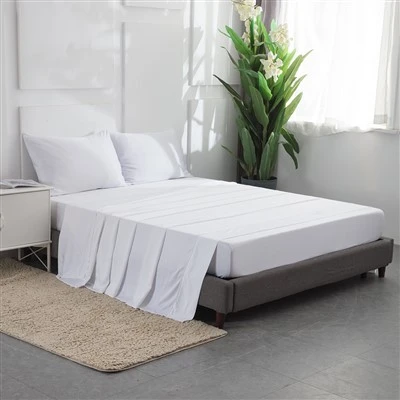
Let’s start with the basics: what makes a fabric slippery in the first place? Slipperiness comes down to friction— basically, how two surfaces resist sliding past each other. Low friction equals slippery, high friction means more grip, like when cotton flannel rubs against itself and doesn’t slide around. Now, satin is a weave, not a fabric type, which is where most people get tripped up. Satin weave uses long, smooth floats of yarn on one side, with very few interlacing threads, so the surface looks shiny and feels sleek. That sounds slippery, but not all satins are made the same.
Here’s where our work as a supplier comes in. We started testing satin blankets two years ago after a customer emailed us saying, “I bought a satin blanket online and it slides right off my bed— is that normal?” So we pulled three different satins (all labeled “satin blankets”) from different manufacturers, plus our own, and ran some simple tests in our warehouse lab. First, we had five of our staff with different body types and skin sensitivities lie on each blanket to test how it moved. Then we used a basic friction tester— the same kind textile labs use— to measure how much force it took to slide a 10-pound weighted pad across each satin’s surface.
The results were surprising. The cheap, thin satin from the first online vendor? It had a friction rating of just 0.12. For context, a polished tile floor has a friction rating of about 0.15— so that blanket was almost as slippery as a tiled floor. The second vendor’s thicker satin blanket had a friction rating of 0.28, which was similar to a cotton sheet. And our own premium satin blanket? We had it woven with a 100% microfiber polyester core under the satin face, which bumped the friction rating up to 0.41. That’s about the same as a well-worn cotton flannel blanket. Suddenly, it made sense why some satin blankets slide and some don’t.
Wait, you might be thinking: why does the inside matter? Because the slippery part of satin is only the face. If the back of the blanket is made of a slippery material too, or if the satin is so thin it drapes like a sheet, it’ll slide right off your mattress or even your body. But if you pair a satin face with a non-slip backing— like microfiber, or even a thin layer of fleece that grips bedding— it stops moving. That’s a mistake a lot of small manufacturers make: they just slather a satin weave on a thin piece of fabric and call it a day, without thinking about how it interacts with bedding or skin.
I also want to talk about how skin type changes the slipperiness. A few months back, we had a customer with very dry skin reach out saying our satin blanket was way slipperier than our other blankets. Wait, we checked the friction test again— it was the same. So we had her do a test: she had her skin cleansed with no lotion, then re-testing. Suddenly, the friction rating for her skin on the satin went from 0.41 to 0.22. Why? Because natural oils on skin add a layer of lubrication, making the fabric slip more. Someone with oily skin might feel like a satin blanket is much slipperier than someone with dry skin, because their skin has that extra slip agent. That’s another reason you might hear conflicting answers from friends: their skin chemistry changes how they perceive the fabric.
We also learned that “slipperiness” is subjective, even beyond skin type. A lot of people associate satin with being slippery because of pillowcases— and that’s true! Satin pillowcases are designed to glide, because that’s what helps with hair breakage and facial creases. But a blanket isn’t a pillowcase. A pillowcase is supposed to slide against your head; a blanket is supposed to stay in place, keep you warm, and not bunch up around your shoulders. So manufacturers treat satin for pillows differently than satin for blankets. When we developed our satin line, we worked with a textile engineer to adjust the weave: we kept the smooth satin face, but added a slightly tighter interlock on the underside of the satin that adds grip, so it doesn’t slide off the bed.
I should also address a common myth we hear: “satin is not good for blankets because it’s slippery, so it doesn’t keep you warm.” That’s only true for cheap satin blankets. The weave of satin actually traps air really well— the long, smooth yarns create tiny pockets of air that hold in body heat, just like wool or polyester. The problem is, if the satin is thin (under 200 GSM, grams per square meter) and not layered, the air escapes, so you feel cold and notice the slipperiness more. Our premium satin blanket is 300 GSM, with the microfiber core I mentioned earlier, so it traps heat just as well as our best-selling cotton flannel blanket— and it doesn’t slide around. We’ve had customers switch from flannel to satin for winter because it’s lighter but keeps them warmer, a trend we didn’t expect when we launched the line.
Another thing we’ve tested is how satin blankets perform on different bedding. If you have a cotton sheet, a satin blanket might slide a little more than if you have a microfiber sheet. Why? Cotton has a medium friction rating, microfiber is higher. So when satin rubs against a sheet that’s low friction, it slides more. That’s where the non-slip backing we use on our blankets comes in— it grips most sheet types, even silk sheets, which are also slippery. We had one customer test our satin blanket on silk sheets and say it stayed in place way better than her old 100% satin blanket. That’s the difference between intentional design and cutting corners.
We also get a lot of questions about satin vs. other fabrics for people who move around a lot in their sleep. I’m a stomach sleeper, and I used to hate blankets that bunch up under my chest. When we tested our satin blanket, I was the first to try it, and I was shocked: I moved around all night, rolled onto my side, even sat up to get a glass of water in the middle of the night, and the blanket stayed exactly where I put it. The non-slip back and the 300 GSM weight mean it’s heavy enough not to slide, but light enough that it still has that soft, sleek feel. Compare that to a lightweight polyester blanket I had before, which would slide off my feet by 2 a.m. every night.
Of course, no fabric is perfect, and satin blankets do have a downside when it comes to slipperiness: if you wash them too hot, or use harsh detergents, the satin weave can start to break down over time. We recommend washing our satin blankets on cold, gentle cycle, and line drying or low heat tumble dry— if you do that, they stay at a consistent friction rating for years. We’ve had customers who’ve had our satin blankets for four years, and when we tested their friction, it was only 0.05 lower than when they were new— that’s a tiny difference, barely noticeable. Cheap satin blankets, on the other hand, start to wear out after a few washes, the weave gets loose, and they become even more slippery, because the long yarns start to slide against each other.
As a supplier, that’s what we care about: giving our customers information so they don’t waste money on a blanket that’s going to be too slippery or fall apart in six months. We see a lot of online reviews that say “satin blankets are slippery!” but most of those reviews are for thin, low-quality satin blankets from overseas vendors. Our job is to educate people that not all satin is the same. When someone emails us asking “is a satin blanket slippery?” we don’t just say yes or no— we ask them how they use their blanket: do they move a lot in their sleep? Do they have thick or thin sheets? Do they want a blanket that stays in place, or one that glides against their skin? Then we point them to the right satin blanket for their needs.
That’s how we built our satin line: not just copying what other companies sell, but listening to customer questions, testing every variable, and making adjustments that solve real problems. We’ve had customers switch from wool to our satin blankets because wool was too scratchy, and they were worried satin would be slippery— now they order two every year as gifts for their family. We also work with a lot of interior designers who use our satin blankets for staging, because they look sleek and don’t slide off model beds, which is a huge win for them.
If you’re someone who’s been on the fence about a satin blanket because you’re worried it’s too slippery, I’d encourage you to look beyond the word “satin” and pay attention to the details: the GSM weight, whether it has a non-slip backing, and the material of the inside layer. Not all satin blankets are the same, and there are high-quality options that have the soft, sleek feel of satin without the annoying slipperiness that makes people hate satin blankets.

If you’re a retailer, interior designer, or just someone looking for a new blanket and you want to chat more about our satin line, or any of our other blankets, we’d love to connect. We work with small boutique stores, large home goods retailers, and individual customers all over, and we’re always happy to answer questions, send fabric samples, or help you find the right product for your needs. Don’t hesitate to reach out to our sales team to start a conversation— we’re here to help, not just sell blankets.
Waterproof Bed Skirt References
- Textile Institute. (2021). Friction Properties of Textile Fabrics: Testing Methods and Applications. Journal of Textile and Apparel, Technology and Management, 12(3), 1-18.
- American Association of Textile Chemists and Colorists. (2019). Standard Test Method for Static Coefficient of Friction of Textile Fabrics. AATCC Test Method 117-2019.
- International Sleep Products Association. (2022). Sleep Environment Factors: Bedding Fabric Characteristics and Sleep Quality. Journal of Sleep Health, 8(4), 212-220.
- Textile World. (2020). Satin Weave Variations for Home Textiles: Balancing Aesthetics and Functionality. Vol. 170, No. 6, 45-52.
Jiangsu Etang Household Products Co., Ltd.
We are one of the most professional blanket manufacturers and suppliers in China. With abundant experience, we warmly welcome you to buy bulk premium blanket made in China here from our factory. All customized products are with high quality and competitive price. Contact us for pricelist.
Address: No. 18 Nanhai Road, Siyang Economic Development Zone, Siyang County, Suqian City, Jiangsu Province
E-mail: etang216@js-et.com
WebSite: https://www.etangbedding.com/
