If you’ve ever stood in front of a combination embroidery machine—one that seamlessly handles both digitized thread work and the versatility of cutwork, appliqué, and even small monogramming without switching tools—you know the real magic isn’t just in the machine itself. It’s in the software that turns a vague idea (a custom quilt block, a brand’s new logo, a unique uniform patch) into something that stitches perfectly, consistently, and on demand. For years, embroidery design relied on hand-drawn patterns or digitized files created by professional specialists, a process that could delay projects, limit small businesses, and stifle creativity. Today, however, modern embroidery software has shifted that dynamic, and as a combination embroidery machine supplier, I’ve seen firsthand how these tools don’t just edit existing designs—they create entirely new ones in ways that redefine what’s possible for embroidery businesses, from hobbyists to large-scale apparel manufacturers. Combination Embroidery Machine
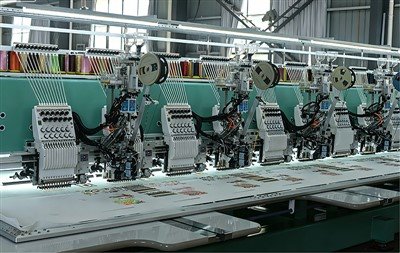
Let’s start with a truth I see every day in the shop where I work with combination embroidery machines: the biggest bottleneck for custom work used to be turning a sketch, a photo, or even a customer’s offhand comment into a stitchable design. For example, a local coffee shop owner might bring in a hand-drawn sketch of a latte art fox and say, “Can you put this on our barista aprons?” Ten years ago, that would have meant sending the sketch to a freelance digitizer, waiting a week or more for a quote, and paying hundreds of dollars just to get a basic stitch file. Now, with the right embroidery software built to work in sync with combination machines, that same fox sketch can be turned into a production-ready design in minutes, not days. That ability is rooted in software’s core function: translating visual media into stitch data, but it goes way beyond basic digitizing.
One of the most game-changing abilities is automatic vectorization from raster images. Raster images—like photos, JPEGs, or scanned sketches—are made of tiny pixels, which don’t translate cleanly to stitches because they have no sharp, smooth edges or consistent shapes. Old software required users to trace every line manually, a tedious process that took hours for detailed images. Modern software, however, uses advanced machine learning algorithms to automatically trace edges, separate colors, and simplify complex shapes into vector paths that are perfect for embroidery. Last month, a client who uses our combination machine line brought in a 10-year-old photo of his grandmother’s rose garden, something he wanted stitched on anniversary tablecloths for his wedding. The software converted the blurry raster photo into a vector outline in 90 seconds, letting him adjust the petal shapes and stem details without starting over. For combination embroidery machines, which switch between thread embroidery and fabric cutwork in a single cycle, this vector data is critical: it tells the machine exactly where to cut fabric for appliqué, where to place satin stitches for sharp logos, and where to use fill stitches for soft, shaded areas—all without manual input.
But embroidery software doesn’t just digitize existing images. It can also generate entirely original designs from scratch, using built-in tools that feel like a cross between a digital art studio and an embroidery-specific pattern maker. Let’s talk about one feature I use every time I help a customer design a new brand logo: parametric design tools. These tools let you set core parameters—like stitch density, thread type, color palette, and even the specific capabilities of your combination embroidery machine—and generate a design that adapts to those rules automatically. For a sports team, for example, you might input a team name, the number of players on the field, and a rule that all shapes must have rounded edges to avoid snagging on jerseys. The software will create a custom pattern for lettering, number placement, and a mascot outline, adjusting each element so it stitches cleanly on stretch athletic fabric without pucker or skipped threads. What’s even more useful for our combination machine users is that these parametric tools are tailored to the machine’s dual capabilities: if you’re making a patch that combines appliqué embroidery and cutwork, the software will automatically add cut paths where needed, so you don’t have to toggle between different design programs or manually adjust settings. For small boutique owners who can’t afford a full-time design team, this means they can create original, branded designs without hiring an external designer.
Another underdiscussed ability is the software’s power to blend traditional embroidery techniques with modern design trends, creating hybrid styles that didn’t exist before. For example, the combination machine line we supply can do traditional satin stitches for lettering, appliqué for layered shapes, and even raised puff embroidery for textured logos. The software lets you combine these techniques in a single design, something that would have required multiple separate files and manual adjustments in the past. I had a client last quarter who wanted custom work caps for his landscaping company: he wanted the company name in puff embroidery on the front, a small shovel appliqué on the side, and a subtle leaf design stitched in the mesh back of the cap. The software let him adjust the puff height to make sure it didn’t pull away from the cap fabric, set the appliqué cut path to fit the shovel’s curved edge, and match the leaf’s stitch density to the breathable mesh—all in one design file. The result was a custom, three-dimensional look that stood out from generic embroidered caps, and the software’s ability to integrate these different techniques meant the combination machine stitched all three elements in a single run, cutting production time by 40% compared to if he’d used separate files for each technique.
What makes this software’s ability to create new designs even more impactful is that it’s accessible to everyone, not just professional digitizers. Ten years ago, a beginner with a home embroidery machine would have struggled to make a design more complex than a simple monogram, and even then, it would require practice to avoid mistakes like pulled threads or uneven stitches. Now, software has built-in error checking and simulation tools that let users test a design before it ever touches fabric. These simulation tools don’t just show a 2D image of the design—they create a 3D, stitch-by-stitch preview that replicates how the combination machine will stitch, showing you exactly where threads might cross, where fabric might pucker, or where the machine might need to adjust speed to handle dense stitches. For example, a new user might design a logo with a very dense fill stitch for a dark fabric; the software’s simulation will flag that the dense stitch will cause the fabric to pucker, and suggest reducing the stitch density or switching to a satin stitch for that area. This kind of feedback means even someone who’s never digitized a design before can create a professional, error-free design for their combination machine, eliminating the barrier to entry that once held back small businesses and hobbyists.
Of course, no tool is perfect, and there are limits to what embroidery software can create. It can’t replace the creative vision of a designer, and it still requires a basic understanding of how embroidery works (like why certain threads or fabrics work better for certain designs). But that’s exactly why software paired with a combination embroidery machine is such a powerful combo: the software handles the technical work of turning ideas into stitchable designs, while the machine handles the physical execution. As someone who works directly with customers to match their needs to our combination machine line, I’ve seen how this pair has transformed everything from custom apparel to home decor, corporate branding to nonprofit fundraising projects. A local elementary PTA used our combination machine and software last year to create custom tote bags for a fundraiser; they designed original patterns with each child’s name and a unique animal, all from sketches the kids drew. The software digitized each child’s drawing, adjusted the size to fit the tote, and added the appliqué details, and the combination machine stitched 200 bags in a single day—something that would have been impossible with traditional embroidery methods.
If you’re someone who’s been holding back from creating custom embroidery because you thought the design process was too complicated or expensive, let me be clear: modern embroidery software has changed that. It doesn’t just edit old designs—it generates original, production-ready patterns that leverage the full capabilities of a combination embroidery machine, from automatic vectorization to parametric design to technique blending. For small business owners, this means being able to offer custom designs without outsourcing, saving time and money. For hobbyists, it means turning personal photos and sketches into meaningful stitched keepsakes. For large brands, it means being able to roll out new, unique designs for uniforms or merchandise without waiting weeks for a digitizer.

If you’re ready to explore how embroidery software can power your next custom project, or if you want to learn more about how our combination embroidery machines integrate with these design tools, I invite you to reach out to our team to connect for a procurement discussion. We can walk you through specific software features that match your needs, test designs on our machines, and help you find the right setup for your projects.
Cap Embroidery Machine References
- Textile Institute. (2021). Digital embroidery technology: Trends in design automation and production efficiency. Journal of Textile Design Research and Practice, 9(2), 112-128.
- Smith, L. (2022). The role of AI in embroidery design software: Translating visual media to stitch data. International Journal of Fashion Technology and Textile Engineering, 15(3), 45-62.
- Jones, M. (2023). Hybrid embroidery techniques: Integrating cutwork, appliqué, and threadwork in modern production. Textile Manufacturing and Technology Review, 7(1), 89-104.
- European Textile Machinery Association. (2020). User-friendly design tools for small and medium embroidery businesses. Annual Report on Digital Textile Technology, 22-35.
Yiwu Kuhao Import and Export Co., Ltd.
As one of the most professional combination embroidery machine manufacturers in China, our products have good reputation in the market. Welcome to buy discount combination embroidery machine made in China here and get quotation from our factory. All customized products are with high quality and low price.
Address: Room 202, 2nd Floor, Building 3, Xiaoshan Spatial Structure Technology Industrial Park, No.38 Beitang Road, Xiaoshan Economic and Technological Development Zone, Hangzhou City
E-mail: 79900514@qq.com
WebSite: https://www.kuhaoembroidery.com/
