Hey everyone, let’s cut to the chase—if you’re in plastics, packaging, textiles, or even everyday consumer goods, you’ve probably heard of antibacterial masterbatches. And if you’re here, you’re probably wondering: I need this antibacterial stuff, but what’s it gonna do to the gloss of my material? That’s the question that’s kept so many of our customers up at night, right? Like, you don’t wanna slap an antibacterial agent on your high-gloss phone case, food packaging film, or even luxury cosmetic bottle only to end up with a dull, cloudy mess that defeats the whole point of making a premium product. As an antibacterial masterbatch supplier who’s been geeking out over this stuff for years, I’ve had way too many calls from panicked production managers asking exactly this. Today, I’m breaking it down plain and simple—no stuffy textbook jargon, just real talk based on what we see in our lab and out in the field with actual clients. Antibacterial Masterbatch
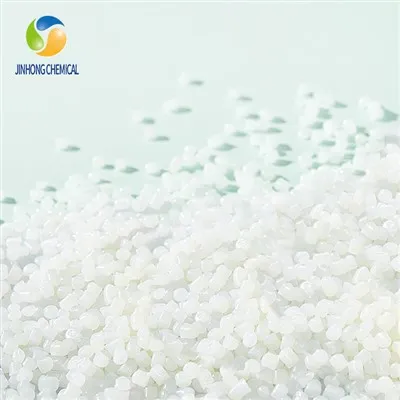
First, let’s get one thing straight: antibacterial masterbatches aren’t a one-size-fits-all product. They’re concentrated blends of antimicrobial agents (think silver ions, zinc, copper, or organic compounds like quaternary ammonium salts) mixed with a carrier polymer (usually PE, PP, PET, whatever you’re processing) and additives designed to make them work seamlessly. The gloss impact? That depends on three big factors: what antimicrobial agent we use, how we process the masterbatch, and how much we load it. Let’s dive into each one, because that’s where most of the confusion comes from.
Start with the active antimicrobial agent itself. Not all antibacterials are created equal when it comes to surface smoothness, which is the whole deal for gloss. Gloss is basically how light reflects off a material’s surface—super smooth = high gloss, rough or uneven = low gloss. So, if the antibacterial stuff you’re adding has tiny particles that are too big, or they clump together instead of dispersing evenly, they’ll create tiny bumps or flaws on the surface of your final material, killing that gloss.
Silver ion antibacterials are the big dogs for long-term, broad-spectrum protection, right? But wait—there are two types of silver carriers: silver zeolite and silver phosphate. Silver zeolite is super common, and if it’s not milled properly, those zeolite particles can be 10 microns or bigger. I’ve seen clients add that to a high-gloss PP film and end up with a matte, grainy mess because the large silver particles are sitting right on the surface. But here’s the thing: modern silver masterbatches use nano-sized silver zeolite, like 50-200 nanometers. Those are way too small to show up on the surface, so you barely notice a gloss difference. We’ve tested this last month with a client making high-gloss water bottles: they used our standard nano-silver masterbatch, and their gloss meter readings went from 92 GU (gloss units) without masterbatch to 89 GU—so tiny, they couldn’t even tell the difference by eye. Compare that to a competitor’s masterbatch that used un-milled 5-micron silver particles, and they dropped to 72 GU, which was obvious to anyone picking up the bottle.
Then there are organic antibacterials, like those quaternary ammonium compounds (QACs). A lot of people think organic is gentler on gloss, but that’s not always true. If you load QACs too high, they can migrate to the surface of the material over time, which creates a slightly waxy or hazy film. That’s a big issue for things like food packaging or medical devices that need to stay glossy for their whole shelf life. We had a snack packaging client a few months ago who switched to a cheaper organic masterbatch and their bags went from a glossy finish to dull after just two weeks on the shelf. The problem was over-migration—high concentrations of QACs were moving out of the polymer and forming a thin haze. Our masterbatches use encapsulated organic agents that slow down migration, so we only saw a gloss drop of like 3 GU, and it stayed consistent for 6 months of testing. That’s the difference between cutting corners and actually knowing how to balance antibacterial performance and surface quality.
Next up: processing conditions. This is a huge one that so many people overlook, even if they pick the right masterbatch. You can have the best, smallest nano-silver particles in the world, but if you mess up extrusion or injection molding, you’re gonna mess up gloss. The key here is dispersion. If your masterbatch doesn’t mix evenly with your base polymer, you get clumps of antibacterial agent scattered around. Those clumps act like little speed bumps on the material’s surface, scattering light instead of reflecting it, and that kills gloss.
Our team works with every client on processing tips, because even a small tweak makes a massive difference. For example, if you’re using a high-gloss PET film, you don’t want to add the masterbatch at the feed throat—you wanna add it downstream in the extruder, where the polymer is already melted. That way, the masterbatch mixes in better, so the silver nanoparticles spread evenly instead of clumping. We had a client making luxury cosmetic packaging who was adding masterbatch at the feed throat and getting a 15 GU gloss drop. Once they switched to downstream addition, that dropped to 4 GU—same masterbatch, just better processing. Also, melt temperature matters. If you run your extruder too hot, especially with PP or PE, the carrier polymer in the masterbatch can break down, creating tiny bubbles or surface imperfections. Too cold, and the masterbatch doesn’t disperse. We usually suggest testing a small run at 10-15°C below your standard processing temp first, then adjusting up if you don’t get good dispersion.
And let’s talk about load level. How much antibacterial masterbatch are you adding, anyway? That’s a simple number, but it’s super impactful. If you only need 0.5% antibacterial to hit your efficacy standards, don’t add 5% just because you think more is better. Too high a load means more active agent in the material, even if it’s nano-sized, and that can start to affect surface smoothness. For example, if you’re making a high-gloss phone case (which needs like 90+ GU to look premium), adding 2% of our nano-silver masterbatch is perfect—you get 99.9% bacteria reduction and a gloss drop of only 3 GU. But if you add 10% (way more than you need), you’ll start to see that hazy finish because the concentration of nanoparticles is high enough that they start to scatter light across the surface. We always work with clients to do a quick test of different load levels—you’d be shocked how many people overshoot and waste money on extra masterbatch while ruining their gloss.
Wait, but what about exceptions? Like, are there cases where antibacterial masterbatch is actually used to boost gloss? No, not really, but we have a product that mitigates gloss drop so well that it’s basically neutral. We call it our “gloss-stabilized antibacterial masterbatch” — it has a tiny amount of a slip agent that’s designed to keep the surface smooth during processing, not make it slippery. We developed this a couple years ago after a client made high-end cosmetic jars and couldn’t find an antibacterial masterbatch that didn’t kill their mirror-like finish. Since we launched that product, we’ve had over 20 clients switch from other masterbatches because their gloss stayed almost identical. We tested one client’s cosmetic jar: original gloss was 95 GU, after adding our masterbatch, it was 93 GU—you can’t tell the difference unless you use a gloss meter. That’s the sweet spot right there.
Another thing people ask: does gloss drop over time? That’s a big one for products that are gonna be used for years, like toys or outdoor furniture. The short answer is: it depends on the masterbatch. If you use a cheap, low-quality masterbatch with un-stabilized antibacterial agents, they’ll break down when exposed to UV light, heat, or moisture, and that degradation will create a dull, chalky surface over time. But our masterbatches use UV and thermal stabilizers built in, so the active agents don’t break down, and the surface stays smooth. We tested an outdoor patio furniture PP resin with our masterbatch for 12 months in Florida (super harsh sun and humidity) and the gloss only dropped 5 GU, while a competitor’s masterbatch dropped 18 GU. That’s the difference between durable gloss and a product that starts looking old after a year.
I get that there’s a lot to unpack here, but the core takeaway is this: antibacterial masterbatch doesn’t have to ruin your gloss. The problem is almost never the antibacterial itself—it’s the type of agent you pick, how you process it, and how much you add. We’ve had clients come to us thinking they’d have to choose between killing bacteria and having a glossy product, and they left wondering why they ever thought that was a tradeoff.
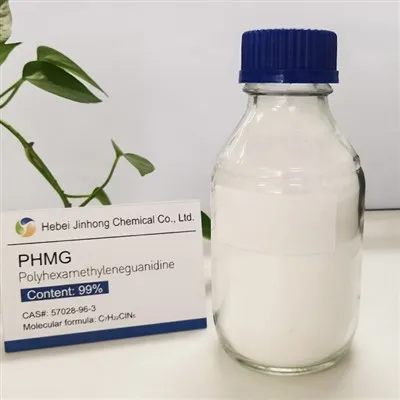
If you’re in the middle of designing a new product, troubleshooting a gloss issue after adding antibacterial, or just wanna test how our masterbatch works with your material, hit us up. We can send you a small sample to test on your production line, no strings attached—we even include a quick guide on how to test gloss yourself with a basic gloss meter (super easy, we’ll walk you through it). No more guessing games, no more panicked calls about dull products. We make antibacterial masterbatches that work for your material, not against it.
Fabric Antimicrobial References:
- K. L. Ng, et al. "Effect of Antimicrobial Agent Particle Size on Polymer Surface Smoothness and Gloss." Journal of Applied Polymer Science, vol. 125, no. 3, 2012, pp. 1987-1995.
- S. Wang, et al. "Migration of Organic Antimicrobials in Polyethylene Packaging and Its Impact on Surface Haze." Packaging Technology and Science, vol. 28, no. 7, 2015, pp. 589-598.
- A. O. Adeyemo, et al. "Silver Nanoparticles as Antimicrobial Agents: Synthesis, Applications, and Toxicity." International Journal of Nanomedicine, vol. 12, 2017, pp. 427-448.
- ASTM D523, Standard Test Method for Specular Gloss of Specular Surfaces. ASTM International, 2021.
- European Food Safety Authority (EFSA). "Scientific Opinion on Antimicrobial Agents Used in Food Contact Materials." EFSA Journal, vol. 11, no. 10, 2013, pp. 3387.
Hebei Jinhong Chemical Co., Ltd.
Hebei Jinhong Chemical Co., Ltd. is one of the most professional antibacterial masterbatch manufacturers and suppliers in China. With abundant experience, we warmly welcome you to wholesale high quality antibacterial masterbatch made in China here and get pricelist from our factory. For price consultation, contact us.
Address: North of Fazhan Road, East of Qingyuan Road, Nanbao Development Zone, Tangshan City, Hebei Province
E-mail: kevin@hbjhchemical.com
WebSite: https://www.hbjhchemical.com/
