Hey there, let’s cut to the chase—rigging jobs aren’t one-size-fits-all, and neither are the chains you use for ’em. I’ve been in the rigging chains game for over a decade now, and I’ve seen way too many folks grab the first chain they spot in a warehouse, only to end up with a failed lift, a scratched load, or a whole lotta unnecessary cost. Today, I’m walkin’ you through exactly how to pick the right chain for your specific rigging gig—no boring jargon, just real talk from someone who’s actually out there dealin’ with this stuff every day. Rigging Chains
First off, let’s start with the basics that most people skip: what’s the job actually askin’ of you? I’m not just talkin’ “lift heavy stuff”—I mean specifics. Like, how much weight are you hauling? Is it a static lift (say, moving a piece of factory equipment that’s gonna sit in place forever) or dynamic (think: loading/unloading a shipping container on a rough seas day)? And don’t sleep on the environment. Are you workin’ in a dry warehouse, or out in the freezing cold of a construction site in the Rockies? Or wait—are you dealin’ with something corrosive, like a chemical plant or saltwater near a port? All that stuff changes everything.
Let’s talk load weight first, ’cause that’s the non-negotiable starting point. You can’t just guess, either. I’ve seen a guy once try to lift a 10,000-pound generator with a chain rated for 8,000 pounds—luckily, his foreman caught it before the lift, but not everyone’s that lucky. The key here is working load limit (WLL), not breaking strength. Breakin’ strength is how much force it takes to snap the chain entirely, but WLL is the safe amount you can use over and over again without risk. Every rigging chain I supply has WLL stamped right on it, so you don’t have to do the math. And important: WLL changes based on how you’re using the chain. If you’re slingin’ it at an angle (like a choker or basket hitch), the WLL goes down. A straight vertical lift means full WLL, but a 60-degree angle? That drops it by like 15%—don’t ignore that, I’ve seen too many mistakes here.
Next, chain grade. This is where most people mix ’em up, and it’s a big one. The common grades you’ll see are Grade 70, Grade 80, and Grade 100. Let’s break ’em down simple. Grade 70 is usually for transport—think tow trucks, flatbed loads, stuff where you’re not doin’ heavy, permanent rigging. It’s cheaper, but not as durable for repeated lifts. Grade 80 is the workhorse, man. That’s what most riggers use for general construction, lifting machinery, warehouse jobs—you name it. It’s heat-treated, super strong, and has a higher WLL than Grade 70 for the same size. If you’re doin’ heavy-duty, frequent lifts, Grade 80 is your go-to. Then there’s Grade 100, the heavy hitter. That’s for when you’re liftin’ the big stuff—like wind turbine components, construction cranes, massive industrial equipment. It’s lighter than Grade 80 for the same WLL, so easier to handle, but it’s pricier and needs extra care (can’t mix it with lower grades, that’s a rule I drill into all our customers). A quick tip: if you’re unsure between Grade 70 and 80, ask yourself—am I gonna be doin’ this lift once, or 100 times this month? If it’s frequent, spring for Grade 80; if it’s a one-off transport, Grade 70 might save you a few bucks.
Now, the environment. This is the part that trips people up even more than load weight. If you’re workin’ outside in regular weather, standard alloy steel chains (Grade 80/100) work fine. But if you’re in cold environments—like temperatures below -40°F (-40°C)—standard chains get brittle, and that’s a disaster. We supply cold-rated Grade 80 chains for construction in Alaska or mines up north; they stay flexible, so they don’t snap when you’re liftin’ in freezing temps. Then there’s corrosion. If you’re near saltwater (ports, offshore rigs), or chemical plants, or even just a job site where there’s mud and constant moisture, standard chains will rust out fast. We carry hot-dip galvanized and stainless steel chains here too. Hot-dip galvanized is cheaper, works great for salt air or mild corrosion, and is durable. Stainless steel is for the real rough stuff—constant saltwater immersion, strong chemicals, food processing plants (if you’re workin’ with food, stainless is non-toxic too). I had a customer last year who was rigging for a seafood processing plant; he tried standard Grade 80, and after 2 weeks the saltwater made it corrode so bad it had pitted links. Switched to our 316 stainless, and he’s been using it daily for over a year now—no issues.
Then there’s the chain size and type. Size is about diameter, right? But don’t just buy a thicker chain if you can help it—heavier chains are harder to handle on job sites, especially if you’re workin’ at height or with small crews. Grade 80 gives you more WLL per diameter than Grade 70, so you can get a smaller, lighter chain that does the same work. For example, a 10mm Grade 80 chain has a WLL of like 5,300 pounds, while a 13mm Grade 70 is around the same—so the Grade 80 is smaller, lighter, easier to maneuver. Now, type: there’s link chain, obviously, but there’s also standard chain vs. self-lubricating? Wait, no, mostly it’s about the end fittings. You don’t want a chain that’s hard to connect to your crane or load. So when you pick a chain, make sure the end links (hooks, master links, clevises) match the grade. A Grade 80 hook has to be rated for Grade 80 chain—using a Grade 70 hook with Grade 80 chain is a huge no-no, that’s a weak point right there. I always tell customers to buy the whole rigging set from the same grade, or at least confirm all components are rated for each other.
Wait, let’s not forget the load type. Is it a fragile load? Like, if you’re liftin’ a piece of polished marble or a sensitive piece of electronics, a rough chain might scratch it. We supply coated chains too—neoprene or nylon coated Grade 80. The coating is tough, but soft enough to not mark up delicate surfaces. I had a customer doin’ sets for a high-end kitchen remodel, he was liftin’ custom quartz countertops with standard chain and scratched two of ’em before switching to coated—saved him a ton of money replacing that stuff. On the flip side, if you’re liftin’ sharp edges—like metal sheets, rebar, scrap metal—you need a chain that’s resistant to abrasion. Grade 100 is better here, or we can supply chains with extra-thick links that don’t get cut by sharp stuff.
Now, common mistakes I see all the time that you can avoid. First, ignorin’ the angle thing—like I said earlier, sling angle kills WLL. A lot of guys look at the vertical weight and just grab the chain, no math for the angle. Second, mixin’ grades of chain or fittings—never, ever pair Grade 80 chain with a Grade 70 hook. The whole set is only as strong as its weakest link. Third, not checkin’ the chain before each use. Even a brand new chain can have a defect, and an old chain can have wear, cracks, or rust that you can’t see. I tell every customer: before every lift, run your hands over each link, check for nicks, elongation (if a link is stretched more than 5% of its original size, toss it), and make sure the WLL is still legible on the stamping.
Let me give you a quick example to tie all this together. Say you’ve got a job: you need to lift a 8,000-pound steel machine into a warehouse in Ohio, wintertime, no corrosive stuff, load is solid (no fragile parts), and you’ll be doin’ this lift once, no frequent use. What do you pick? Grade 80, 10mm chain (WLL ~5,300, but wait—if you’re using a basket hitch, multiply by 2, so 10,600, which covers that 8k load). Standard alloy steel, no need for cold-rated or stainless. Straight hook fittings, no coating needed since the steel machine won’t scratch. That’s your pick. Now another example: 12,000-pound wind turbine blade being lifted 100 feet in the air in Texas in July, frequent use, sharp edges on the blade, need it light enough for the crew to handle. Grade 100, 12mm chain (same WLL as 15mm Grade 80, so lighter), maybe a bit of coating to keep it from scratching the blade, regular Grade 100 steel is fine for Texas heat.
At the end of the day, the whole point is safety and cost-effectiveness. Buyin’ the wrong chain might save you a few bucks upfront, but if it fails, you’re lookin’ at damaged loads, downtime, OSHA fines, or even worse—injuries. I’ve been doin’ this long enough to know that a good chain pick pays for itself fast.
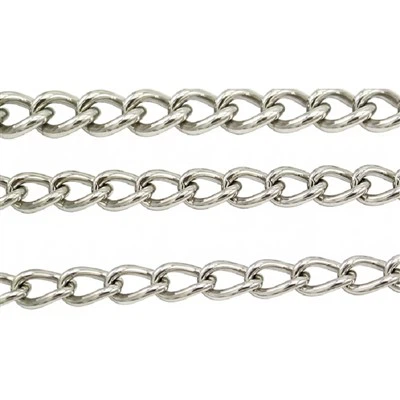
So if you’re standin’ in your shop right now, lookin’ at a job and still unsure, don’t guess. Hit us up for a consult. We don’t just sell chains—we’ve got riggers on staff who’ve done thousands of lifts, and they can walk you through exactly what you need, no sales pitch, just real advice. Whether you need a single chain for a one-off lift or a whole set for your fleet, we’ve got you covered. We supply to small construction crews, big industrial plants, port operations, you name it—all over, with fast delivery and competitive pricing. No hidden fees, no gimmicks, just solid chains and honest help.
Swing Chains When you reach out, bring us the deets: load weight, lift type (static/dynamic), environment, any special load needs (fragile, sharp, etc.), and how often you’ll use it. We’ll get you the right chain, with clear WLL info, and even tips on inspection and care. Don’t risk it—get the chain that fits your job, not the other way around.
References
- Occupational Safety and Health Administration. (2023). Rigging Equipment Safety Requirements for General Industry. U.S. Department of Labor.
- American Society of Mechanical Engineers. (2021). ASME B30.9: Slings. American Society of Mechanical Engineers.
- Manufacturing Engineers Association. (2022). Selection Guidelines for Alloy Steel Rigging Chains. National Association of Manufacturers.
- International Marine Contractors Association. (2023). Corrosion Resistance Standards for Offshore Rigging Equipment. International Marine Contractors Association.
Pujiang Shenli Chain Co., Ltd.
Address: No. 18, Zaifeng Road, Pujiang County, Zhejiang Province
E-mail: Chen@shenlichain.com
WebSite: https://www.chainshenli.com/
