If you’re in the business of firing bricks, you already know the brick tunnel kiln isn’t just a piece of equipment—it’s the heart of your operation. It’s where raw clay turns into durable, saleable product, where energy efficiency meets production speed, and where small choices add up to big impacts on your bottom line. Over the past 18 years, as a supplier specialized in refractory and fire-resistant materials for tunnel kilns, I’ve sat across from more kiln managers and plant owners than I can count, and the question I hear most often isn’t “what’s the latest material?” It’s “how do I pick the right fire-resistant stuff for my specific kiln?” A kiln works 24/7, cycling through preheating, firing, and cooling zones, and every inch of it needs to hold up to extreme heat, thermal shock, constant abrasion from moving brick cars, and even the occasional chemical flare-up from raw materials. Pick the wrong material, and you’re looking at unplanned downtime, expensive repairs, or even a total kiln shutdown. Pick the right one, and you’re looking at years of reliable operation, lower maintenance costs, and higher-quality bricks. Let me walk you through what I’ve learned, step by step, no fancy industry jargon (okay, some, but I’ll explain it) and no generic advice that works for every oven on the planet. Brick Tunnel Kiln
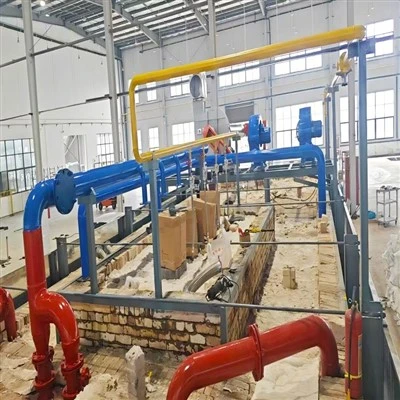
First, before you even start looking at materials, you need to map your kiln’s unique operating profile. This isn’t a one-size-fits-all check. I recently worked with a small brick plant in Ohio that was using the same refractory material for their entire kiln as a plant in Texas twice their size, and they were going through three times the amount of material per month. The difference? Their firing zone peaked at 1,850°F, while the Texas plant’s hit 2,200°F, and their raw clay had a higher lime content that created extra chemical stress. So step one: pull your kiln’s logbooks, if you have them, and answer these specific questions. What’s the maximum temperature in your firing zone? Most brick kilns run between 1,800°F and 2,300°F, but even a 100°F difference can change everything. What’s the temperature swing between preheating and cooling zones? Thermal shock is the #1 killer of refractory materials—if your kiln cools 500°F in an hour, a material that works for a slow-cooling kiln will crack fast. Also, what’s your brick composition? Bricks made from high-silica clay, high-limestone clay, or even recycled demolition brick can release dust or gases that are chemically harsh. And let’s not forget your production schedule: do you run 24/7, or do you shut down for maintenance each night? Frequent startups and shutdowns mean more thermal shock, so that’s a big factor too. I always tell clients to do a quick heat mapping of their kiln zones, if they can. A handheld thermal camera isn’t expensive, and it will show you hot spots you might not see from the control room. I had a client in Pennsylvania who thought their kiln’s hot zone was uniform until we mapped it and found a 300°F gap—they’d been using a general-purpose refractory for a zone that needed a high-alumina material, wasting thousands of dollars a year.
Next, you need to match material types to each kiln zone, not just pick one material for the whole kiln. That’s another mistake I see all the time. Let’s break down the common zones: preheating, firing, and cooling, and what each needs. The preheating zone is where cold brick cars enter, and temperatures start at room temperature, ramping up to around 1,200°F. This zone deals with mild thermal shock (from the fast temperature rise) and abrasion from the bricks moving along the kiln car. The material here doesn’t need to handle the hottest heat, but it does need to resist cracking and wear. For preheating zone walls, I usually recommend insulating fire bricks (IFBs) with a bulk density between 0.6 g/cm³ and 0.8 g/cm³. IFBs are light, so they don’t add extra weight to the kiln structure, and their small air bubbles help insulate the heat from escaping outward. But wait—don’t use IFBs in the firing zone. They can’t hold up to sustained high heat; most start softening above 2,000°F. For the firing zone, which is the hottest part, that’s where high-alumina refractory bricks come in. These bricks are made from 50% to 90% alumina, and they have a higher refractoriness—meaning they can handle sustained temperatures up to 2,600°F, which is perfect for firing bricks that need to be strong and durable. But not all high-alumina bricks are the same. If your firing zone runs above 2,100°F, go for a 70% to 80% alumina brick; if it’s lower, a 50% alumina will work just fine and save you money. Also, look at the mineral composition of the high-alumina bricks. Some have added silica to improve thermal shock resistance, which is key if your kiln cools down quickly. I once had a client who switched to a pure high-alumina brick without silica in their fast-cooling firing zone, and half of the bricks cracked within six months of operation. That’s the kind of small detail that adds up. Then there’s the kiln car deck, which is the floor of the tunnel where the brick cars roll. This is under constant pressure: the weight of the brick cars, the heat from the firing zone, and abrasion from the moving bricks and the wheels of the cars. For kiln car decks, I recommend fused silica bricks or silicon carbide (SiC) bricks. Fused silica is great because it has very low thermal expansion—so it doesn’t crack when heated and cooled repeatedly. SiC is even more durable, with high abrasion resistance and heat transfer, which helps keep the kiln’s temperature consistent, but it’s more expensive. If your plant is producing high-volume, heavy bricks, SiC is worth the extra cost; if you’re making lighter bricks, fused silica will do the job just fine. The cooling zone is the last part, where bricks go from hot to room temperature. This deals with extreme thermal shock—temperatures dropping 1,000°F or more in some cases. For the cooling zone walls, you can go back to a lower-density insulating brick, but make sure it has good thermal shock resistance. Or, some plants use castable refractory here, which is a wet mix that you pour and cure into shape, which is flexible and can handle the temperature swings.
Now, beyond zone matching, there are three critical performance factors you can’t afford to ignore: thermal shock resistance, abrasion resistance, and chemical compatibility. Let’s talk about thermal shock first, because this is the number one reason refractory materials fail early. Thermal shock happens when a material is heated or cooled too fast, causing different parts of the material to expand or contract at different rates, leading to cracks. There’s a simple rule for thermal shock: lower density = better thermal shock resistance, all else being equal. That’s why insulating fire bricks work well in preheating and cooling zones, while dense high-alumina bricks might crack in zones with fast temperature changes. But density isn’t the only factor. The mineral makeup matters too: fused silica, for example, has almost zero thermal expansion, so it’s practically immune to thermal shock. Magnesia bricks are also good for thermal shock, but you have to be careful with them around silica or alumina, because they react chemically. Next is abrasion resistance. Think about the kiln car deck: every time a brick car rolls over it, that’s abrasion. Bricks shifting in the preheating zone, dust and debris from raw materials, even the wheels of the cars scraping the walls—all of that wears down materials. Abrasion resistance is measured by a loss rate: how much material wears away over a certain period. For high-abrasion areas like kiln car decks or the bottom of the firing zone, look for materials with abrasion loss rates below 5 cm³ per 1000 rotations (that’s a standard industry test). SiC bricks have one of the lowest abrasion loss rates, which is why they’re so popular for high-volume operations. High-alumina bricks with a higher alumina content also have better abrasion resistance than lower ones. The third factor is chemical compatibility. This is where I see the most mistakes, because it’s not just about the heat. Your raw clay, or even additives you use in your brick production, can release chemicals that react with your refractory material. For example, if your clay has a high lime content (calcium oxide), that can react with alumina in high-alumina bricks at high temperatures, creating a weak, crumbly material that falls apart. If your brick has a high sulfur content, that can react with silica in insulating bricks, breaking down their structure over time. I had a client in Kentucky who was using high-alumina bricks in their firing zone, and within a year, half the bricks had to be replaced. Turns out their local clay had a high lime content, and we had to switch them to magnesia-alumina bricks, which are resistant to lime chemical reactions. That was a simple fix that saved them from thousands in unplanned downtime. The rule of thumb here is: do a quick test of your raw materials, or send a sample to a lab, to check for lime, sulfur, or alkali content (like sodium or potassium). Then pick a refractory material that’s rated to resist those specific chemicals.
Cost is always a factor, but here’s the thing: the cheapest material upfront is almost never the cheapest over time. I’ve had clients come to me after buying low-cost refractory bricks from a no-name supplier, only to have to replace half their kiln walls within a year, costing them three times more than if they’d bought a higher-quality, properly matched material in the first place. When evaluating cost, you have to calculate total cost of ownership (TCO), not just the price per brick. TCO includes the cost of the material itself, installation, unplanned downtime, repair costs, and even lost production if the kiln is down. Let’s do a quick example: suppose you need 100 high-alumina bricks for your firing zone. Brand A charges $10 per brick, and has a lifespan of 18 months. Brand B charges $15 per brick, and has a lifespan of 36 months. So upfront, Brand A is $1,000 vs. Brand B’s $1,500. But over three years, Brand A would cost $2,000 (two purchases) plus installation and downtime for two replacements, while Brand B would cost $1,500 plus installation for one replacement. That’s a $500 difference, plus the cost of downtime—if your kiln is down for three days to replace bricks, that’s thousands in lost production. For small plants, that difference can be make-or-break. Also, don’t forget to ask about delivery and technical support. A lot of suppliers will just send you the bricks and wish you luck, but a good supplier will help you match materials to your specific kiln, maybe even help with installation tips, and have a team on hand if you run into issues. As a supplier, I always offer a free 30-minute assessment of a client’s kiln, where I can look at their operating conditions, their production needs, and recommend materials that will give them the best TCO, not just the lowest price. I’ve turned down clients who wanted the absolute cheapest material, because I knew it would cost them more in the long run.
Now, let’s talk about some common myths I hear all the time. First myth: all refractory bricks are the same. No, they’re not. There are dozens of material types, with different compositions, strengths, and uses. A brick that works for a steel kiln won’t work for a brick tunnel kiln, because steel kilns run higher temperatures and different chemical loads. Second myth: insulation is all about keeping heat in. That’s true, but you also need insulation that can hold up to the heat where it’s used. IFBs are great for preheating zones, but don’t use them in firing zones. Third myth: you don’t need to consider the kiln’s age or condition. If your kiln is 20 years old, the structure is probably different than when it was built—maybe the walls are thinner, or there are hot spots from previous repairs, so you need to adjust your material selection to match that. Fourth myth: you can mix different types of refractory bricks in the same zone. Some materials will react chemically with each other if they touch. For example, if you put a high-silica brick next to a magnesia brick, they can react at high temperatures, creating cracks and weak spots. That’s a mistake that a lot of plant owners make when doing emergency repairs, and it leads to bigger problems down the line.
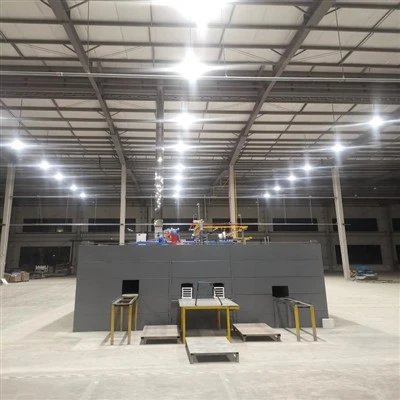
So, putting this all together, here’s a quick step-by-step checklist for selecting fire-resistant materials for your brick tunnel kiln: 1. Map your kiln’s operating profile: maximum temperature per zone, temperature swings, brick composition, production schedule, and any known hot spots. 2. Divide the kiln into zones: preheating, firing, cooling, and specific high-wear areas like the kiln car deck. 3. Match material types to each zone: insulating fire bricks for preheating and cooling, high-alumina bricks for the firing zone, and fused silica or silicon carbide for kiln car decks. 4. Prioritize performance factors: thermal shock resistance (critical for all zones), abrasion resistance (critical for high-wear areas), and chemical compatibility (based on your raw materials). 5. Calculate total cost of ownership, not just upfront price, and work with a supplier who offers technical support, not just materials. 6. Avoid common myths: not all refractories are the same, don’t mix incompatible materials, and don’t overlook your kiln’s unique condition.
Tunnel Kiln At the end of the day, the right fire-resistant materials aren’t just a purchase—they’re an investment in your kiln’s reliability, your production efficiency, and your bottom line. I’ve seen plants that invest in the right materials go 10+ years without major refractory repairs, while plants that cut corners on materials are replacing bricks every 1-2 years, missing deadlines, and losing money. If you’re not sure where to start, or you’ve been dealing with consistent refractory issues that you can’t figure out, don’t guess. Reach out to a supplier who knows brick tunnel kilns specifically—generic refractory suppliers might not understand the unique demands of brick production. I’ve spent 18 years working with brick kilns, and I’d be happy to walk through your specific needs, answer any questions, and help you find materials that will work for your operation. Don’t let bad refractory slow you down—your kiln should be running for you, not against you.
References
- Refractory Materials for Industrial Kilns, 4th Edition, American Ceramic Society, 2019.
- Tunnel Kiln Design and Operation for Brick Manufacturing, International Brick and Tile Association, 2021.
- Thermal Shock Resistance of Refractory Bricks, Journal of the European Ceramic Society, Vol. 40, Issue 15, 2020, pp. 5421-5430.
- Chemical Compatibility of Refractories with Raw Ceramic Materials, Ceramics International, Vol. 45, Issue 12, 2019, pp. 15212-15220.
Henan Yaxin Kiln Co., Ltd.
Henan Yaxin Kiln Co., Ltd. is one of the most professional brick tunnel kiln manufacturers and suppliers in China. With abundant experience, we warmly welcome you to buy high quality brick tunnel kiln with the latest design from our factory. Good service and punctual delivery are available.
Address: Jixian Industrial Zone, Shangqiu City, Henan Province
E-mail: 1543563178@qq.com
WebSite: https://www.hnyxkiln.com/
