Hey there, fellow cycling enthusiasts! I’m a supplier of Road Bike TPU Tubes, and I know it might seem a bit counter – intuitive, but today, I want to talk about the disadvantages of Road Bike TPU Tubes. Yep, you heard that right. Even though I’m in the business of selling these tubes, I believe in being upfront about both the good and the not – so – good aspects. Road Bike TPU Tube
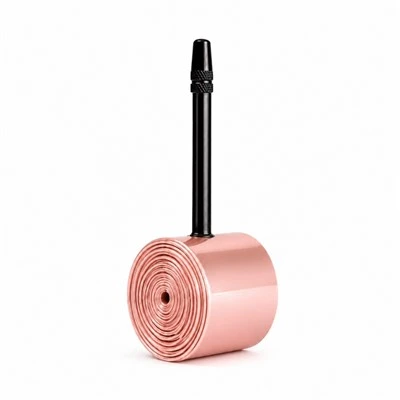
Cost Considerations
First off, let’s talk money. Road Bike TPU Tubes are generally more expensive compared to traditional rubber tubes. I mean, the production process for TPU tubes involves some high – tech stuff. TPU, or thermoplastic polyurethane, is a premium material, and manufacturing it into bike tubes requires precise machinery and quality control measures.
This extra cost gets passed on to you, the consumer. For a lot of casual cyclists or those on a tight budget, the price tag can be a real deal – breaker. You might be thinking, "Why should I shell out more for a TPU tube when I can get a perfectly good rubber tube for a fraction of the cost?" And that’s a valid point. If you’re just using your road bike for an occasional spin around the neighborhood or short commutes, spending the extra money on a TPU tube might not be worth it for you.
Durability Under Extreme Conditions
Now, TPU tubes are known for their durability in most situations. They’re resistant to punctures, have good elasticity, and can handle normal riding wear and tear quite well. But when it comes to extreme conditions, they do have their limitations.
In extremely cold temperatures, TPU becomes more brittle. I’ve had some customers tell me that in the dead of winter, their TPU tubes were more prone to cracking when they hit a small pothole or a rough patch on the road. Cold weather causes the TPU material to lose some of its flexibility, and the impact that it could easily absorb in warmer conditions can lead to damage.
On the other hand, in extremely hot weather, TPU tubes can expand more than expected. This over – expansion can put extra pressure on the tube and the tire, increasing the risk of a blowout. When the sun is beating down and the asphalt is scorching, you need to be extra careful with your TPU tubes. You might have to adjust your tire pressure more frequently to avoid these issues, which can be a hassle, especially when you’re out on a long ride.
Compatibility Issues
Another drawback of Road Bike TPU Tubes is compatibility. Not all road bikes are designed to work seamlessly with TPU tubes. Some older bike models or bikes with very specific tire setups might have trouble fitting TPU tubes properly.
For example, if your bike has an unusual tire width or an older style of rim, the TPU tube might not seat correctly. This can lead to uneven tire pressure distribution, which in turn affects your ride quality. You might notice that your bike doesn’t handle as smoothly as it should, or you could even experience a wobbling sensation while riding. And let’s not forget about the risk of the tube slipping out of place, which can be extremely dangerous, especially at high speeds.
Even with newer bikes, you need to make sure that the tire and rim combination is compatible with TPU tubes. The industry is constantly evolving, and sometimes, what works for one bike might not work for another. This means that you have to do your research and double – check before making a purchase.
Installation Challenges
Installing Road Bike TPU Tubes is not as straightforward as it might seem. The material is stiffer compared to traditional rubber tubes, which makes it a bit more difficult to manipulate into the tire. You really need to know what you’re doing to get it right.
I’ve heard from some inexperienced cyclists who struggled big time with installing TPU tubes. They ended up pinching the tube between the tire and the rim, which can cause a puncture right off the bat. And even if you manage to get the tube in without pinching it, making sure that it’s evenly distributed and properly seated can be a real pain.
It often takes more time and effort to install a TPU tube compared to a rubber tube. If you’re in a hurry, say, changing a flat tire on the side of the road during a race, you’re going to find the process of getting a TPU tube in place much more frustrating. You might even need some special tools, like tire levers designed for use with TPU tubes, to make the installation a bit easier.
Limited Availability
TPU tubes for road bikes are not as widely available as traditional rubber tubes. You can find rubber tubes pretty much anywhere that sells bike parts – at your local bike shop, online marketplaces, and even some general sporting goods stores. But when it comes to TPU tubes, your options are a lot more limited.
This limited availability can be a problem if you’re on a long – distance cycling trip and you get a flat tire. You might not be able to find a replacement TPU tube quickly, which can really throw a wrench in your plans. You might have to settle for a rubber tube as a temporary fix, which can be annoying if you’re used to the performance of TPU tubes.
Even if you’re just looking to stock up on tubes for regular use, you might have to wait longer for your order to arrive if you’re buying online, or you might have to drive farther to find a shop that carries TPU tubes.
Recycling and Environmental Impact
Finally, we need to talk about the environmental side of things. While TPU is generally considered a more eco – friendly alternative to some other materials in the long run, recycling TPU tubes is not as easy as recycling rubber tubes.
There aren’t as many recycling facilities equipped to handle TPU. When a TPU tube reaches the end of its life, it might end up in a landfill, which isn’t great for the environment. As more and more cyclists are becoming environmentally conscious, this is definitely a concern. You want to be able to do your part for the planet, but with TPU tubes, it can be a bit tricky to ensure that they’re being disposed of properly.

So, there you have it, the disadvantages of Road Bike TPU Tubes. But here’s the thing – even with these drawbacks, TPU tubes still have a lot going for them. They offer great performance in many areas, like puncture resistance and lightweight design. If you’re a serious cyclist who values speed and performance, a TPU tube might still be worth the investment, even considering its limitations.
MTB TPU Tubes If you’re interested in learning more about Road Bike TPU Tubes, whether it’s to weigh the pros and cons further or to place an order, don’t hesitate to reach out. I’m here to answer any questions you might have and to help you make an informed decision. Let’s talk and see if TPU tubes are the right choice for your bike!
References
- Cycling Industry Newsletters
- Interviews with professional cyclists and bike mechanics
- Manufacturer’s specifications and technical documents for Road Bike TPU Tubes
TUBENOX
As one of the most professional road bike TPU tube manufacturers and suppliers in China, we’re featured by quality products and good service. Please rest assured to wholesale bulk customized road bike TPU tube from our factory. If you have any enquiry about free sample, please feel free to email us.
Address: No. 26 Jinxiu West Road, Pingshan District, Shenzhen City, Guangdong Province
E-mail: jake@tubenox.com
WebSite: https://www.tubenox.com/
