Okay, I’m gonna write this blog about the requirements for the short – circuit protection of a power distribution cabinet from the perspective of a supplier. Here it is: Power Distribution Cabinet
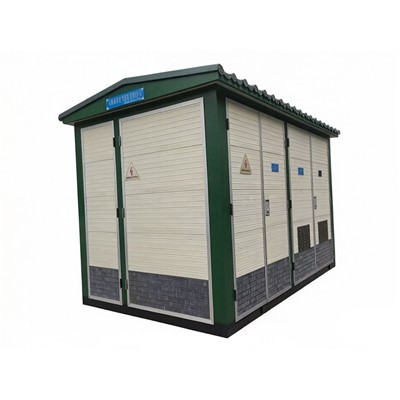
Hey there! As a power distribution cabinet supplier, I’ve seen a lot of different scenarios when it comes to short – circuit protection. It’s a super important part of making sure these cabinets work safely and efficiently. So, let’s dig into what the requirements are for short – circuit protection in power distribution cabinets.
First off, let’s talk about the basic concept. A short – circuit happens when there’s an unintended low – resistance connection between two points in an electrical circuit. This can cause a huge surge in current, which is bad news for the equipment and can even pose a fire hazard. That’s why we need proper short – circuit protection.
One of the key requirements is having the right over – current protection devices. Circuit breakers and fuses are the most common ones. Circuit breakers are like the guardians of the electrical system. They can automatically trip when the current exceeds a certain level. When a short – circuit occurs, the current shoots up really fast, and a good circuit breaker should be able to detect this sudden increase and cut off the power in a split second.
There are different types of circuit breakers, like thermal – magnetic circuit breakers. The thermal part of it responds to long – term over – currents, and the magnetic part kicks in when there’s a really high – speed short – circuit. This combination makes it suitable for a wide range of applications.
Fuses, on the other hand, are also great for short – circuit protection. They work by melting a metal element when the current gets too high. Once the element melts, the circuit is broken, and the flow of electricity stops. Fuses are simple but effective. The important thing is to choose the right fuse rating. If the rating is too high, it might not blow during a short – circuit, and if it’s too low, it could blow even under normal operating conditions.
Another requirement is the ability of the power distribution cabinet to withstand the short – circuit current. When a short – circuit happens, there’s a massive amount of current flowing through the cabinet. The cabinet’s internal components, like busbars and connections, need to be able to handle this high current without getting damaged.
Busbars are like the highways for electricity in the power distribution cabinet. They need to be made of high – quality materials with low resistance to minimize heat generation during a short – circuit. The size and cross – sectional area of the busbars are crucial. A larger cross – sectional area can handle more current without overheating.
The connections between different components in the cabinet also need to be tight and reliable. Loose connections can increase resistance, which leads to more heat generation and can cause the connections to fail during a short – circuit. We use proper connection methods, like bolted connections or soldering, to ensure a stable electrical connection.
In addition to the hardware, proper coordination of protection devices is essential. All the circuit breakers and fuses in the power distribution cabinet should work together in harmony. For example, if there’s a short – circuit in a specific branch circuit, the circuit breaker or fuse in that branch should trip first, rather than the main circuit breaker. This way, only the affected part of the system is shut down, and the rest can continue to operate.
To achieve this coordination, we do a lot of calculations and testing. We need to know the characteristics of each protection device, such as its tripping time and current rating. By carefully selecting and setting these devices, we can make sure that the short – circuit protection works as intended.
The power distribution cabinet also needs to have proper grounding. Grounding provides a safe path for the fault current to flow into the ground during a short – circuit. A good grounding system can reduce the risk of electrical shock and damage to the equipment. The grounding conductor should be of sufficient size and have a low resistance connection to the ground.
We also need to consider the environmental conditions in which the power distribution cabinet will be installed. In a harsh environment, like a factory with a lot of dust or moisture, the protection devices and the cabinet itself need to be more robust. For example, we might use sealed circuit breakers or cabinets with better dust – and moisture – proofing to ensure the reliability of short – circuit protection.
Now, let’s talk about testing. Before we send out our power distribution cabinets to customers, we conduct a series of tests to make sure they meet the short – circuit protection requirements. We use short – circuit testing equipment to simulate different short – circuit scenarios and check the performance of the protection devices.
We also test the insulation resistance of the cabinet to make sure there are no hidden electrical faults. Insulation breakdown can lead to short – circuits, so it’s important to ensure that the insulation is in good condition.
In summary, the requirements for short – circuit protection of a power distribution cabinet include having the right over – current protection devices like circuit breakers and fuses, the ability of the cabinet to withstand short – circuit currents, proper coordination of protection devices, good grounding, and consideration of environmental conditions. By meeting these requirements, we can provide our customers with power distribution cabinets that are safe and reliable.
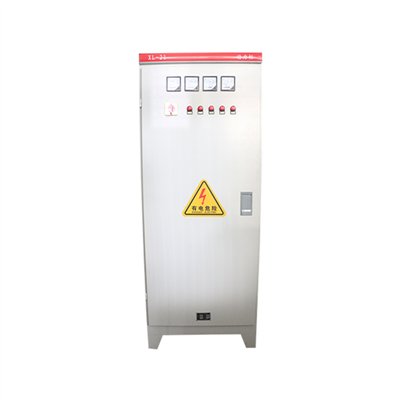
If you’re in the market for a power distribution cabinet and need one with top – notch short – circuit protection, we’re here to help. We’ve got the expertise and experience to provide you with the best solution for your needs. Just reach out to us, and we can start discussing your specific requirements and how we can meet them.
Compact Substation References:
- Electrical Installation Handbook by Schneider Electric
- National Electrical Code (NEC)
- IEC standards for low – voltage switchgear and controlgear assemblies
Anhui Xinchen Electrical Equipment Co., Ltd.
We are one of the most reliable power distribution cabinet manufacturers and suppliers in China, specialized in providing high quality customized products. We warmly welcome you to buy bulk power distribution cabinet for sale here from our factory. Contact us for quotation.
Address: No. 8, Waihuan South Road, Economic and Technical Development Zone, Ningguo City, Xuancheng City, Anhui Province
E-mail: xinchen0316@126.com
WebSite: https://www.cn-xinchen.com/
