Hey there! I’m a supplier in the reflective fabric business, and today I wanna chat about the reflectivity range of different types of reflective fabric. It’s super important to understand this if you’re in the market for reflective fabrics, whether you’re making safety vests, outdoor gear, or just looking for some cool reflective accents on your projects. Reflective Fabric
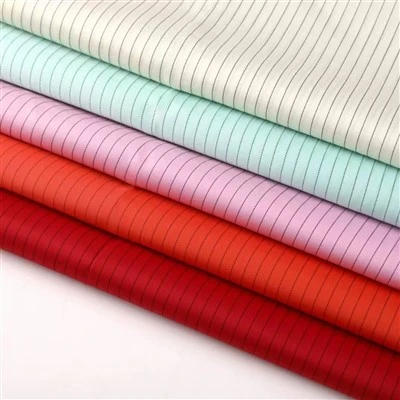
Let’s start with the basics. Reflectivity is all about how well a fabric can bounce back light towards its source. The better the reflectivity, the more visible the fabric is in low – light conditions. And this visibility can be a real lifesaver in many situations, like when you’re out jogging at night or working on a construction site.
High – Intensity Prismatic Reflective Fabric
One of the top – notch types of reflective fabric is the high – intensity prismatic reflective fabric. This stuff is like a superhero in the world of reflectivity. It uses tiny prisms to redirect light back to its source. The reflectivity range of high – intensity prismatic reflective fabric is usually between 500 to 1000 candelas per lux per square meter (cd/lx/m²). That’s a pretty high number, and it means that even in the dimmest of lights, this fabric will really stand out.
I’ve seen this fabric being used a lot in traffic safety gear. Police officers, traffic wardens, and construction workers often wear vests made from high – intensity prismatic reflective fabric. It makes them highly visible to drivers, reducing the risk of accidents. And if you’re into cycling or running at night, a jacket with this type of reflective fabric can make you much more noticeable to cars and other vehicles on the road.
Engineer Grade Reflective Fabric
Next up is the engineer grade reflective fabric. It’s a bit more budget – friendly compared to the high – intensity prismatic stuff, but it still does a great job. The reflectivity range of engineer grade reflective fabric is typically around 100 to 300 cd/lx/m².
This type of fabric has been around for a long time and is widely used in various applications. You’ll often see it on road signs, as well as on some basic safety vests. It’s not as bright as the high – intensity prismatic fabric, but it’s still good enough for many situations where you need a decent level of visibility. For example, if you’re running a small business and need some simple reflective aprons for your employees who work near traffic, engineer grade reflective fabric could be a great choice.
Scotchlite Reflective Fabric
Scotchlite reflective fabric is another well – known option. It’s a brand that’s been trusted in the industry for ages. The reflectivity of Scotchlite reflective fabric can vary depending on the specific type. Some of the more basic Scotchlite fabrics have a reflectivity in the range of 150 to 250 cd/lx/m², which is similar to engineer grade fabric.
But they also have high – performance Scotchlite fabrics with reflectivity that can reach up to 700 cd/lx/m². These high – performance ones are often used in high – end safety products and outdoor sports equipment. If you’re an outdoor enthusiast and you want a backpack or a tent with great reflective properties to keep you safe during your adventures, Scotchlite fabric could be a good pick.
Retroreflective Tape
Retroreflective tape is a bit different from the full – fledged reflective fabrics, but it’s still an important part of the reflective product family. It can be used to add reflective accents to all sorts of things, like clothing, bags, or even bicycles.
The reflectivity of retroreflective tape can vary widely. Basic tapes might have a reflectivity of around 50 to 100 cd/lx/m², while high – quality tapes can reach up to 300 cd/lx/m² or more. It’s a really versatile option. You can use it to customize your own safety gear or add a bit of style to your everyday items. For instance, you could add some retroreflective tape to the hem of your jeans, and suddenly you’ve got a pair of pants that are both cool and safe to wear at night.
Factors Affecting Reflectivity
Now, it’s important to note that the reflectivity of these fabrics isn’t set in stone. There are a few factors that can affect how well they reflect light.
One big factor is the angle of the light. Reflective fabrics work best when the light hits them at a certain angle. If the light is coming in at a really strange angle, the reflectivity might be reduced. So, if you’re designing a product with reflective fabric, you need to think about how it will be used and where the light is likely to come from.
Another factor is the condition of the fabric. Over time, reflective fabric can get dirty, scratched, or worn out. This can really reduce its reflectivity. That’s why it’s important to clean and take care of reflective products regularly. For example, if you’ve got a safety vest, you should wash it according to the manufacturer’s instructions to keep its reflective properties intact.
The color of the reflective fabric can also play a role. Generally, brighter and lighter colors tend to reflect light better than darker ones. White and silver reflective fabrics usually have higher reflectivity than black or dark blue ones.
Why Choose Our Reflective Fabrics
As a reflective fabric supplier, I can tell you that we’ve got a wide range of fabrics to choose from. Whether you need high – intensity prismatic fabric for a high – stakes safety project or engineer grade fabric for a more budget – friendly option, we’ve got you covered.
Our fabrics are made with top – quality materials and the latest manufacturing techniques. This means that not only do they have excellent reflectivity, but they’re also durable and long – lasting. We understand that when you’re using reflective fabric, you need it to perform well in all kinds of situations, and that’s what we aim to provide.
We’re also really flexible when it comes to custom orders. If you have specific requirements for the color, pattern, or size of the reflective fabric, just let us know. We’ll do our best to make it happen.
Let’s Talk Business
So, if you’re in the market for reflective fabric, whether you’re a manufacturer, a retailer, or just someone with a DIY project in mind, I’d love to hear from you. Understanding the reflectivity range of different types of reflective fabric is just the first step. Once you know what you need, we can work together to find the perfect fabric for your project.
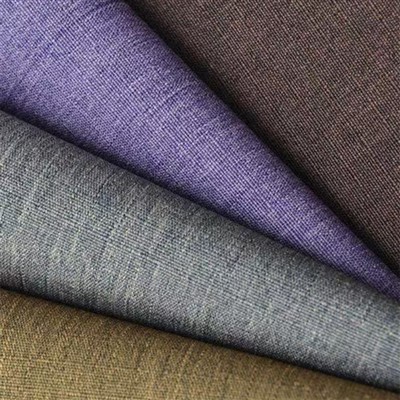
Oxford Cloth Don’t hesitate to reach out for a quote or to discuss your specific needs. We’re here to help you make the right choice and get the best reflective fabric for your money.
References
- ASTM International. (Year). Standard Test Method for Coefficient of Retroreflected Luminance (RA) of Retroreflective Materials.
- Reflective Materials Handbook. (Publisher, Year). A comprehensive guide on the properties and applications of reflective materials.
Wujiang Jiashunxin Spray Weaving Co., Ltd.
As one of the most professional reflective fabric manufacturers and suppliers in China, we’re featured by quality products and good service. We warmly welcome you to wholesale bulk customized reflective fabric from our factory. If you have any enquiry about free sample, please feel free to email us.
Address: Xingli New Village, Lili Town, Wujiang District, Suzhou City, Jiangsu Province
E-mail: xuzhiqiang20260525@163.com
WebSite: https://www.shunbangfabric.com/
