Hey there! I’m a supplier of flat hoses, and today I wanna chat about something super important – the flexibility rating of a flat hose. Now, if you’re in the market for a flat hose, understanding this rating can be a game – changer for you. Flat Hose
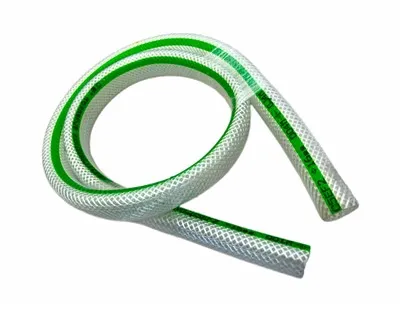
So, what exactly is the flexibility rating of a flat hose? In simple terms, it’s a measure of how easily the hose can be bent, twisted, and maneuvered without kinking or breaking. A high flexibility rating means you can snake the hose around corners, over obstacles, and store it away with ease. On the flip side, a low – rated hose might give you a hard time when you’re trying to get it into those tight spots.
Let’s dig a little deeper into why flexibility ratings matter. First off, think about how you’re gonna use the hose. If you’ve got a large garden with lots of plants in different areas, you’ll need a hose that can reach every nook and cranny. A flexible hose will let you do this without constantly having to move the hose’s connection point. You can just easily bend it around trees, flower beds, and other obstacles.
Another biggie is storage. No one wants to deal with a hose that’s a pain in the neck to store. A highly flexible flat hose can be neatly rolled up and tucked away in a small space. It won’t take up half of your shed or garage like a rigid hose might. You could simply coil it up and hang it on a hook or keep it in a hose reel without any hassle.
Manufacturers use different methods to determine the flexibility rating of a flat hose. Some take into account the material the hose is made of. For example, hoses made from high – quality rubber or certain types of plastics tend to be more flexible. These materials can stretch and bend without losing their shape over time.
The thickness of the hose wall also plays a part. A thinner – walled hose is generally more flexible than one with a thick wall. However, there’s a trade – off here. Thinner walls might make the hose more prone to damage, like punctures or leaks. So, it’s all about finding that sweet spot between flexibility and durability.
Now, I know what you’re thinking. How can I, as a customer, figure out the flexibility rating of a flat hose? Well, it’s not always easy. Some manufacturers will list the flexibility rating on the product packaging or their website. But if they don’t, there are a few tell – tale signs.
First, give the hose a gentle tug and bend it. If it bends smoothly without kinking right away, that’s a good sign. A hose that kinks easily when you just try to move it a bit probably has a lower flexibility rating. You can also check the hose’s ability to return to its original shape after being bent. A highly flexible hose will bounce back and not stay all warped.
Let’s talk about the real – world implications of choosing a flat hose with the right flexibility rating. Say you’re a professional landscaper. You’re on the job every day, using your hose to water large areas, wash equipment, and do all sorts of tasks. You need a hose that can keep up with your busy schedule. A flexible hose means you can work faster and more efficiently. You won’t waste time trying to untangle a stubborn hose or fix kinks in the middle of a job.
For the average homeowner, it might mean less stress and more fun in the garden. You can spend more time enjoying your outdoor space and less time dealing with a difficult – to – manage hose. You can easily connect the hose to your sprinkler or nozzle and get watering your plants without any headaches.
But here’s the thing. Flexibility isn’t the only factor to consider when buying a flat hose. You also need to think about the hose’s length, diameter, and its pressure – handling capacity. These all work together to determine the overall performance of the hose.
A longer hose might be necessary for larger yards, but if it’s not flexible enough, it can be a real pain to use. Similarly, a wider – diameter hose can carry more water, but if it’s too rigid, you’ll still have a hard time getting it where you need it. And when it comes to pressure, you need a hose that can handle the water pressure from your outdoor faucet or pump without bursting or losing too much water flow.
As a flat hose supplier, I’ve seen firsthand how important the flexibility rating is to our customers. We offer a range of flat hoses with different flexibility ratings to meet the needs of various users. Whether you’re a weekend gardener or a professional in the industry, we’ve got something for you.
Our hoses are made from top – notch materials that balance flexibility and durability. We’ve spent a lot of time researching and testing different compounds to ensure that our hoses can bend and twist without falling apart. And we stand behind the quality of our products.
So, if you’re in the market for a flat hose, don’t just focus on the price or the brand name. Take a good look at the flexibility rating. It could make all the difference in your gardening or outdoor work experience.
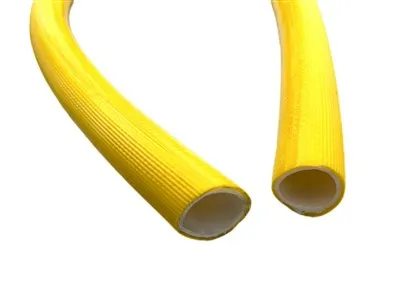
If you’re interested in learning more about our flat hoses or want to discuss which flexibility rating would be best for your specific needs, I’d love to have a chat with you. Contact us to start a conversation about your requirements and let’s find the perfect flat hose for you.
Gas Pipe References
- Various industry manuals on hose manufacturing and performance.
- Customer feedback and usage reports from our long – term clients.
- Technical studies on the properties of different hose materials.
Weifang Xinzhiyuan Plastic Co., Ltd.
As one of the most experienced flat hose manufacturers and suppliers in China, we offer a wide range of products with superior quality. Please feel free to wholesale premium flat hose made in China here from our factory. We also accept customized orders.
Address: No. 700, Tongle Street, Economic Development Zone, Changle County, Weifang City, Shandong Province
E-mail: hua@xzypvchose.com
WebSite: https://www.pvchose-xzy.com/
