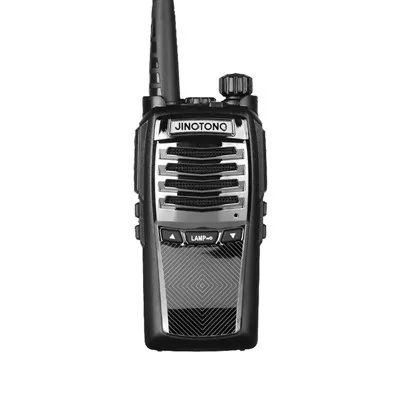
DMR (Digital Mobile Radio) radios have revolutionized the way we communicate in various operational and training scenarios. As a DMR radio supplier, I’ve witnessed firsthand how these devices can significantly enhance training programs across multiple industries. In this blog, I’ll share insights on effectively using DMR radios for training purposes. DMR RADIO
Understanding the Basics of DMR Radios
Before delving into training applications, it’s essential to understand what DMR radios are and their key features. DMR is a digital radio standard that offers several advantages over traditional analog radios. It provides clearer audio quality, better range, and enhanced privacy through encryption. Additionally, DMR radios support features like group calling, individual calling, and data transmission, which are incredibly useful for training.
The clarity of digital audio ensures that instructions and feedback during training are accurately received. This is especially crucial in noisy environments, where analog signals might get distorted. The enhanced range allows trainers and trainees to communicate effectively even when they are spread out over a large area. Encryption, on the other hand, protects sensitive training information from eavesdropping, maintaining the integrity of the training program.
Tailoring DMR Radios for Specific Training Needs
Different industries have different training requirements, and DMR radios can be customized to meet these needs.
Emergency Response Training
In emergency response training, such as fire and rescue or police training, DMR radios are indispensable. They can be programmed to operate on specific channels dedicated to different aspects of the training, such as search and rescue, incident command, or medical support. The group calling feature allows rapid communication among team members, enabling coordinated responses to simulated emergencies.
For example, during a fire drill, the incident commander can issue real – time instructions to all firefighters on the scene through a group call. Trainees can also use the individual calling function to report specific findings or ask for assistance from a particular trainer. The radio’s GPS tracking feature, if available, can be used to monitor the location of trainees in a large building or outdoor area, ensuring their safety during the training.
Industrial Training
In industrial settings, like manufacturing plants or construction sites, DMR radios can enhance safety and efficiency during training. Workers can be divided into different groups based on their tasks, and each group can be assigned a specific channel. Trainers can use the radio to provide safety instructions, equipment operation guidance, and feedback on trainees’ performance.
For instance, in a construction site training, the foreman can use the radio to remind all workers of safety protocols while they are working on different floors of a building. Trainees can communicate with the trainer when they encounter issues with the equipment or need clarification on a task. The data transmission feature can be used to send diagrams, checklists, or other important information to the trainee’s radio, facilitating better learning.
Outdoor and Adventure Training
For outdoor activities such as hiking, camping, or adventure sports training, DMR radios offer reliable communication in remote areas. Trainees can stay in touch with their trainers and fellow participants, ensuring their safety. The long – range capabilities of DMR radios are particularly useful in vast outdoor spaces where cell phone coverage may be limited or non – existent.
Trainers can use the radio to provide navigation instructions, weather updates, and safety warnings. In case of an emergency, trainees can quickly call for help using the radio. The rugged design of many DMR radios makes them suitable for harsh outdoor conditions, ensuring they can withstand the rigors of the training environment.
Incorporating DMR Radios into Training Programs
Once you’ve identified the specific training needs and customized the DMR radios accordingly, the next step is to incorporate them into the training program effectively.
Training on Radio Operation
Before trainees can use DMR radios for their actual training, they need to be trained on how to operate the radios. This includes basic functions such as turning the radio on and off, selecting channels, making calls, and using additional features like emergency buttons. Trainers should provide hands – on training, allowing trainees to practice using the radios in a controlled environment.
Practical exercises can be designed to familiarize trainees with different radio operations. For example, trainees can be tasked with making individual and group calls, switching between different channels, and sending basic text messages (if supported by the radio model). This initial training will build trainees’ confidence and ensure they can use the radios effectively during the main training program.
Simulating Real – World Scenarios
To make the training as realistic as possible, DMR radios should be used in simulated real – world scenarios. In emergency response training, for example, trainees can be presented with a simulated disaster situation where they need to use the radios to coordinate their responses. The trainer can play the role of the incident commander, issuing instructions and creating challenges for the trainees to solve.
In industrial training, trainees can be put into a mock production line scenario where they need to communicate using the radios to complete tasks efficiently. By simulating real – world situations, trainees will learn how to use the radios in a practical context, improving their problem – solving and communication skills.
Feedback and Evaluation
During the training, trainers should provide continuous feedback to trainees on their radio usage. This can include how clearly they speak, how effectively they use the different radio features, and their ability to follow radio communication protocols. Regular evaluations can be conducted to assess trainees’ progress.
For example, trainers can assign a score to each trainee based on their performance in radio – related tasks. The evaluation can cover aspects such as the accuracy of information transmitted, the timeliness of responses, and the ability to communicate in a high – stress situation. Based on the feedback and evaluation results, trainees can be provided with additional training if needed.
Maintaining and Upgrading DMR Radios for Training
To ensure the continued effectiveness of DMR radios in training, proper maintenance and occasional upgrades are necessary.
Regular Maintenance
Regular maintenance of DMR radios includes checking the battery life, cleaning the radio, and inspecting for any physical damage. A dead battery can disrupt training sessions, so it’s important to ensure that all radios are fully charged before each training. Cleaning the radio’s exterior and antenna can improve signal reception.
Trainers should also be trained to perform basic troubleshooting, such as resolving issues with channel selection or audio quality. By performing regular maintenance, the lifespan of the radios can be extended, and potential problems can be identified and addressed early.
Software and Firmware Upgrades
Manufacturers often release software and firmware upgrades for DMR radios to improve performance, add new features, or enhance security. As a DMR radio supplier, I recommend keeping the radios up – to – date with the latest software versions.
These upgrades can bring significant benefits to the training program. For example, a new firmware version might improve the radio’s GPS accuracy, which is useful for outdoor training. Upgrading the software can also enhance the encryption capabilities, protecting sensitive training information.
Conclusion
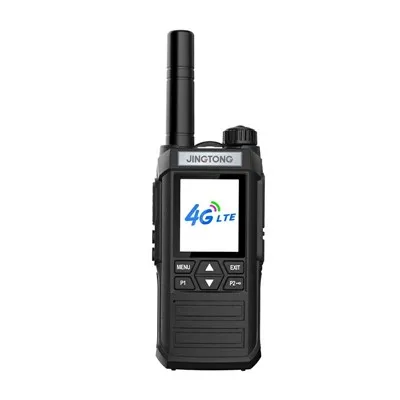
DMR radios offer a powerful tool for enhancing training programs across various industries. By understanding their features, tailoring them to specific training needs, incorporating them effectively into the training process, and maintaining and upgrading them regularly, trainers can provide more engaging, realistic, and effective training experiences.
5 Watt Walkie Talkie If you’re interested in exploring how DMR radios can improve your training programs, I’d be more than happy to discuss your specific requirements. Whether you’re in emergency response, industrial training, or outdoor adventure training, our team can help you select the right DMR radios and customize them to fit your needs. Contact us to start a conversation about how we can support your training initiatives.
References
- "Digital Mobile Radio (DMR) Standard: A Comprehensive Guide", published by the European Telecommunications Standards Institute (ETSI).
- Industry reports on the use of DMR radios in emergency response, industrial, and outdoor training.
- Manufacturer’s manuals and documentation for DMR radios.
Jingtong (Quanzhou) Electronics Co., Ltd.
Address: No.288, Si Huang Industry Zone, Xia Mei Town, Nan An, Quanzhou, Fujian province, China 362302
E-mail: jtdjj@jtdjj.com
WebSite: https://www.jteradio.com/
